
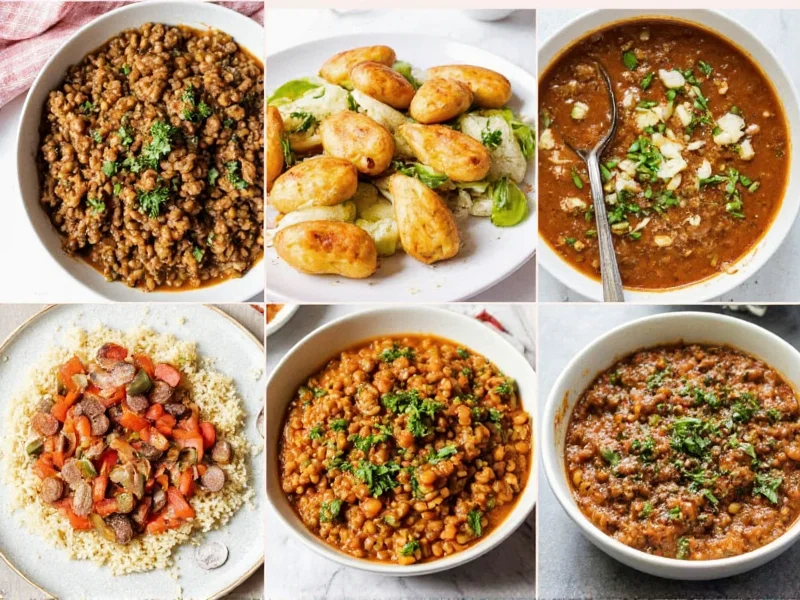
Lentils represent one of the world's oldest cultivated crops, with archaeological evidence dating back 8,000-9,500 years. These nutritional powerhouses deliver 18g of protein and 15g of fiber per cooked cup while remaining budget-friendly and environmentally sustainable. Understanding which lentil varieties work best for specific dishes transforms good meals into exceptional culinary experiences.
Historical Evolution of Lentil Cuisine
Lentils' journey from ancient staple to global kitchen essential reveals key culinary adaptations. Verified milestones include:
- 8000-9500 BCE: Earliest archaeological evidence from Near Eastern sites (Çayönü Tepesi, Turkey) confirms domestication. Source: Crop Trust (croptrust.org)
- 2000 BCE: Documented in Egyptian tombs and Vedic texts as sacred food. Source: Washington State University Extension (cru.cahe.wsu.edu)
- 15th Century CE: Spread to Europe via Ottoman trade routes, becoming monastic staple during Lent. Source: Oxford University Press (academic.oup.com)
- 2020: Global production reached 6.5 million metric tons with Canada (42%), India (22%), and Australia (14%) as top producers. Source: FAO Statistical Yearbook (fao.org)
Understanding Lentil Varieties and Their Best Uses
Not all lentils perform equally in every dish. Selecting the right variety creates dramatically different textures and flavor profiles:
| Lentil Type | Characteristics | Best Dish Applications |
|---|---|---|
| French Green (Puy) | Firm texture, peppery flavor, holds shape well | Salads, side dishes, cold preparations |
| Brown Lentils | Mild earthy flavor, softens when cooked | Soups, stews, shepherd's pie, curries |
| Red/Yellow Lentils | Sweet flavor, breaks down easily | Dals, purees, thick soups, baby food |
| Black (Beluga) | Shiny appearance, rich flavor, holds shape | Caviar substitutes, elegant salads, pilafs |
| Green Lentils | Standard variety, moderately firm | Hearty soups, casseroles, meat substitutes |
Top 7 Best Lentil Dishes Worldwide
1. French Lentil Salad (Salade de Lentilles du Puy)
This classic French preparation features Puy lentils tossed with Dijon vinaigrette, diced vegetables, and herbs. The firm texture of French green lentils maintains integrity when mixed with acidic dressings. For authentic results, add chopped hard-boiled eggs, lardons, and a splash of red wine vinegar. This represents one of the best lentil recipes for beginners seeking elegant yet simple meal solutions.
2. Indian Masoor Dal (Red Lentil Curry)
A staple across South Asia, this dish transforms red lentils into a creamy, spiced curry through careful simmering with turmeric, cumin, and garam masala. The best lentil dishes for protein intake often feature this preparation, delivering 19g of protein per serving. Authentic versions finish with a tadka (tempering) of hot oil with cumin seeds and dried red chilies poured over the top.
3. Middle Eastern Mujadara
This ancient dish combines brown lentils with rice or bulgur wheat and deeply caramelized onions. The name literally means "pockmarked" in Arabic, referring to how the lentils resemble skin blemishes among the rice grains. This represents one of the most budget-friendly lentil meals, requiring only pantry staples while delivering complete nutrition. For optimal texture, use a 2:1 water-to-lentil ratio and avoid stirring during cooking.
4. Italian Lentil Soup (Zuppa di Lenticchie)
A traditional New Year's dish in Italy symbolizing prosperity, this soup combines lentils with vegetables, herbs, and often a Parmesan rind for umami depth. The best lentils for soups maintain some texture while thickening the broth. For authentic results, include pancetta or guanciale, carrots, celery, and tomatoes. This preparation stands among the most seasonal lentil recipes for winter, providing warmth and nutrition during colder months.
5. Ethiopian Misir Wot
This deeply spiced red lentil stew features berbere spice blend, onions, garlic, and ginger simmered until luxuriously thick. One of the best lentil dishes with high nutritional value, it traditionally accompanies injera bread for scooping. The key to authentic flavor involves slow-cooking the onions until deeply caramelized before adding spices and lentils. This dish exemplifies how traditional lentil dishes from around the world maximize flavor through technique rather than expensive ingredients.
6. Spanish Lentejas a la Lebaniega
Hailing from León, Spain, this hearty stew combines lentils with chorizo, morcilla (blood sausage), and vegetables. Regional variations exist across Spain, but the León version remains most celebrated. For optimal results, use small Spanish pardina lentils which maintain texture while thickening the broth. This represents one of the most satisfying protein-rich lentil meals for vegetarians when made without meat additions.
7. Lentil Shepherd's Pie
A modern vegetarian adaptation of the British classic, this dish layers cooked lentils with vegetables in a savory gravy, topped with creamy mashed potatoes. The best lentil recipes for weeknight dinners often feature this preparation due to its make-ahead convenience and family appeal. For maximum flavor, include mushrooms, carrots, peas, and a splash of red wine in the filling. This dish demonstrates how easy lentil recipes can transform into impressive meals with minimal effort.
Mastering Lentil Preparation: Essential Techniques
Achieving perfect lentils requires understanding several key techniques that separate adequate preparations from exceptional ones:
- Rinse thoroughly: Always rinse lentils in cold water to remove dust and debris, which improves texture and prevents bitterness
- Don't add salt too early: Adding salt at the beginning can toughen lentils; wait until they're partially cooked
- Avoid acidic ingredients early: Tomatoes, vinegar, or wine added too soon prevent lentils from softening properly
- Use appropriate water ratios: Red lentils need less water (2:1) than green/brown (3:1) for optimal texture
- Simmer gently: Boiling too vigorously breaks down lentils unevenly
Nutritional Powerhouse: Why Lentils Deserve Regular Rotation
Lentils provide exceptional nutritional density with minimal environmental impact. A single cup of cooked lentils delivers:
- 18g of complete protein (comparable to meat)
- 15g of dietary fiber (60% of daily needs)
- High levels of iron, folate, and manganese
- Low glycemic index for stable blood sugar
- Only 230 calories per cooked cup
- Zero cholesterol and minimal fat
Regular consumption of lentils correlates with reduced risk of heart disease, improved digestive health, and better weight management. For those seeking healthy lentil dishes for weight loss, these legumes provide satisfying bulk with relatively few calories, making them ideal for portion control without sacrificing satiety.
Contextual Considerations: Limitations and Special Scenarios
While versatile, lentils require context-aware application:
- Digestive Sensitivity: High oligosaccharide content may cause bloating in IBS sufferers. Start with ¼ cup servings and gradually increase. Source: International Foundation for Gastrointestinal Disorders (iffgd.org)
- High-Altitude Cooking: Above 3,000 feet, increase water ratio to 3.5:1 and extend cooking time by 25%. Pressure cooking recommended. Source: Colorado State University Extension (extension.colostate.edu)
- Gout Management: Moderate purine content (42mg/100g) requires medical consultation for gout patients. Source: Mayo Clinic (mayoclinic.org)
Seasonal Adaptations for Year-Round Enjoyment
The best lentil dishes adapt to seasonal availability and dietary needs throughout the year:
- Spring: Light lentil salads with fresh herbs, asparagus, and lemon vinaigrette
- Summer: Cold lentil soups with cucumber and mint, or lentil-based grain bowls
- Autumn: Hearty lentil stews with root vegetables and warming spices
- Winter: Rich lentil curries and casseroles with seasonal squash and greens
Understanding how to adjust traditional lentil dishes from around the world for seasonal ingredients keeps meals exciting while maintaining nutritional benefits. For example, adding roasted butternut squash to Indian dal during fall creates a seasonal variation that pleases both traditionalists and adventurous eaters.
Conclusion: Embracing Lentils as Culinary Foundation
The world's best lentil dishes demonstrate how this humble legume transforms into extraordinary meals through cultural wisdom and culinary technique. From the refined elegance of French lentil salad to the comforting warmth of Italian lentil soup, these preparations showcase lentils' remarkable versatility. By understanding lentil varieties, mastering basic cooking techniques, and exploring global preparations, home cooks can create nutritious, satisfying meals that delight the palate while supporting long-term health. Whether seeking budget-friendly lentil meals, protein-rich lentil meals for vegetarians, or simply delicious seasonal lentil recipes for winter, lentils offer endless possibilities for culinary exploration.
Frequently Asked Questions
Do I need to soak lentils before cooking?
Unlike other legumes, lentils don't require soaking before cooking. Simply rinse them thoroughly to remove debris. Soaking may actually cause lentils to lose nutrients and become mushy. Most lentils cook in 20-30 minutes without pre-soaking, making them one of the most convenient protein sources for quick meals.
Why do my lentils always turn out mushy?
Mushy lentils typically result from overcooking, using too much water, or adding acidic ingredients too early. For firmer lentils (like in salads), use French or black lentils, maintain a 2.5:1 water ratio, avoid stirring, and remove from heat as soon as tender. Always add tomatoes, vinegar, or lemon juice after lentils are fully cooked to prevent them from remaining hard.
Which lentils work best for salads versus soups?
For salads where you want lentils to maintain shape, use French green (Puy) or black lentils, which hold their structure well. For soups and stews where creaminess is desired, brown or red lentils work best as they break down and thicken the broth. The best lentils for soups versus salads differ primarily in their starch content and skin thickness, which affects how they respond to cooking.
How can I add more flavor to basic lentil dishes?
Build flavor by sautéing aromatics (onions, garlic, carrots, celery) before adding lentils. Use vegetable or meat stock instead of water, and include umami boosters like tomato paste, soy sauce, or Parmesan rinds. Finish with fresh herbs, lemon juice, or a drizzle of good olive oil. For global flavors, incorporate spice blends like cumin and coriander for Middle Eastern dishes, garam masala for Indian preparations, or smoked paprika for Spanish styles.
Are canned lentils a good alternative to cooking from dry?
Canned lentils offer convenience but have some drawbacks compared to cooking from dry. They're often overcooked and lack texture control. If using canned, rinse thoroughly to remove excess sodium and starch. They work best in purees, soups, or dishes where texture matters less. For salads or dishes requiring distinct lentil shape, cooking from dry provides superior results. The best lentil recipes for beginners might start with canned for convenience, but advancing cooks typically prefer cooking from dry for better flavor and texture control.




 浙公网安备
33010002000092号
浙公网安备
33010002000092号 浙B2-20120091-4