
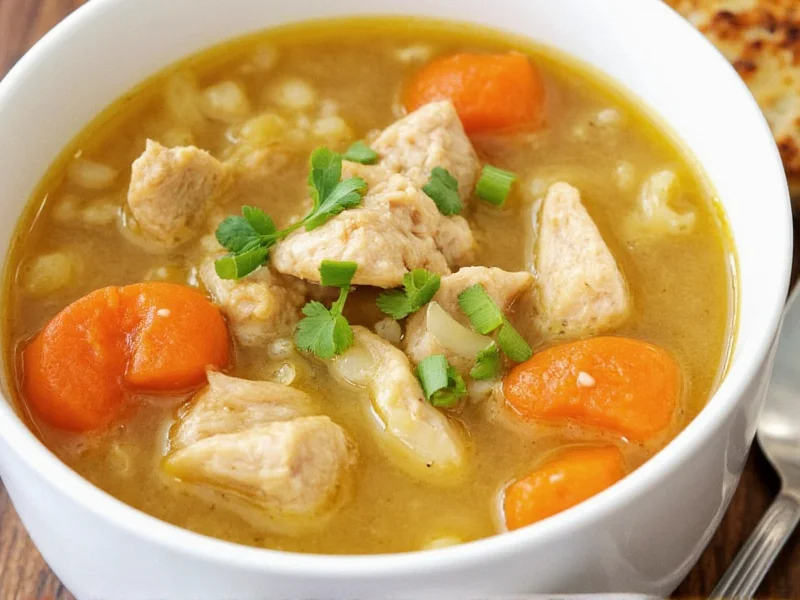
If you're searching for a hearty chicken and orzo soup recipe that delivers restaurant-quality results at home, you've found it. This one-pot wonder combines the comforting familiarity of chicken soup with the satisfying texture of orzo pasta, creating a meal that's both elegant enough for dinner parties and simple enough for weeknight meals. Unlike many easy chicken and orzo soup recipes that compromise flavor for speed, this version builds layers of taste through proper technique while still coming together in under an hour.
Why This Chicken Orzo Soup Recipe Works
What sets this creamy chicken orzo soup apart from others is the careful balance of ingredients and technique. The secret lies in toasting the orzo before adding liquid, which enhances its nutty flavor and prevents mushiness. Unlike many homemade chicken orzo soup with vegetables recipes that add pasta too early, we cook the orzo separately to maintain its perfect al dente texture. The addition of lemon zest at the end brightens the rich broth, creating a sophisticated flavor profile that makes this Italian-style chicken orzo soup truly special.
Essential Ingredients Explained
Quality ingredients make the difference between ordinary and extraordinary soup. Here's why each component matters:
| Ingredient | Why It Matters | Substitution Options |
|---|---|---|
| Chicken thighs (boneless, skinless) | More flavorful and forgiving than breasts, staying moist during cooking | Breasts (reduce cooking time by 5 minutes) |
| Orzo pasta | Provides satisfying bite and thickens broth naturally | Risoni, short-cut pasta, or rice for gluten-free option |
| Homemade chicken stock | Creates superior depth of flavor compared to store-bought | Low-sodium store-bought with 1 tbsp soy sauce for umami |
| Fresh lemon zest | Provides bright finish that balances richness | 1 tbsp lemon juice (add at very end) |
| Fresh herbs (parsley, thyme) | Essential for authentic Italian flavor profile | Dried herbs (use 1/3 the amount) |
Step-by-Step Cooking Instructions
Follow these detailed steps for perfect chicken orzo soup with lemon every time:
- Prepare ingredients: Chop 1 large onion, 2 carrots, and 2 celery stalks into uniform 1/4-inch pieces. Mince 3 garlic cloves. Cut 1.5 lbs chicken thighs into 1-inch cubes.
- Sauté aromatics: In a large Dutch oven, heat 2 tbsp olive oil over medium heat. Add onions, carrots, and celery. Cook until softened (8 minutes), stirring occasionally.
- Add flavor builders: Stir in garlic, 1 tsp dried thyme, 1 tsp dried oregano, and 1/2 tsp red pepper flakes. Cook until fragrant (1 minute).
- Cook chicken: Add chicken pieces, season with salt and pepper. Cook until lightly browned (5-6 minutes).
- Toast orzo: Add 1 cup orzo pasta, stirring constantly for 2 minutes until golden and fragrant.
- Add liquid: Pour in 6 cups chicken stock and 1 cup water. Bring to a gentle boil.
- Simmer soup: Reduce heat to low, cover, and simmer for 20 minutes until chicken is cooked through and vegetables are tender.
- Finish with freshness: Remove from heat. Stir in zest of 1 lemon and 1/4 cup chopped fresh parsley. Adjust seasoning to taste.
Pro Tips for Perfect Chicken Orzo Soup
As a chef with years of experience making this weeknight chicken orzo soup recipe, I've learned these crucial techniques:
- Don't overcook the orzo: If preparing soup in advance, cook orzo separately and add when serving to prevent mushiness
- Build flavor gradually: Take time to properly sauté vegetables until translucent but not browned for clean flavor
- Season in layers: Salt at each stage of cooking rather than all at once for balanced flavor
- Rest before serving: Let soup sit off heat for 10 minutes before serving to allow flavors to meld
- Adjust consistency: Add additional broth or water if soup thickens too much upon standing
Serving Suggestions
This healthy chicken and orzo soup shines when served with complementary elements. Try these pairings:
- A sprinkle of freshly grated Parmesan cheese adds savory depth
- Serve with crusty bread for dipping into the flavorful broth
- Add a side salad with lemon vinaigrette to balance the meal
- For extra protein, stir in a handful of fresh spinach just before serving
- Garnish with additional lemon zest and fresh herbs for visual appeal
Storage and Reheating Instructions
Proper storage ensures your best chicken orzo soup recipe maintains quality:
- Refrigeration: Store in airtight container for up to 4 days. Note that orzo will continue absorbing broth, so you'll need to add additional stock when reheating.
- Freezing: Freeze without orzo for best results (up to 3 months). Add freshly cooked orzo when reheating.
- Reheating: Warm gently over medium-low heat, stirring frequently. Add 1/4 cup broth or water per serving to restore proper consistency.
- Reviving leftovers: Brighten flavors with a squeeze of fresh lemon juice and additional herbs when reheating.
Frequently Asked Questions
Can I make this chicken orzo soup recipe gluten-free?
Yes, for a gluten-free chicken orzo soup option, substitute the orzo with gluten-free orzo (available at most specialty stores) or use small rice pasta shapes. Arborio rice also works well, though it creates a slightly different texture. Cook the rice separately and add it when serving to prevent overcooking.
How can I prevent the orzo from becoming mushy in the soup?
To maintain perfect texture in your one-pot chicken orzo soup, toast the orzo before adding liquid and don't overcook it in the broth. For meal prep, cook the orzo separately and add it to individual servings when ready to eat. This easy chicken and orzo soup recipe technique ensures each bowl has perfectly al dente pasta.
What vegetables work best in chicken orzo soup?
Beyond the classic mirepoix (onion, carrot, celery), this homemade chicken orzo soup with vegetables benefits from adding 1 diced zucchini during the last 10 minutes of cooking, or 1 cup fresh spinach stirred in at the end. For heartier versions, try adding diced potatoes with the stock. Avoid watery vegetables like tomatoes that can dilute the broth.
Can I use chicken breast instead of thighs in this recipe?
Absolutely. For this chicken orzo soup with lemon recipe, you can substitute boneless, skinless chicken breasts. However, reduce the cooking time by 5-7 minutes as breasts cook faster and can become dry. For best results with breasts, cut into uniform 1-inch pieces and don't overcook beyond 165°F internal temperature.




 浙公网安备
33010002000092号
浙公网安备
33010002000092号 浙B2-20120091-4