
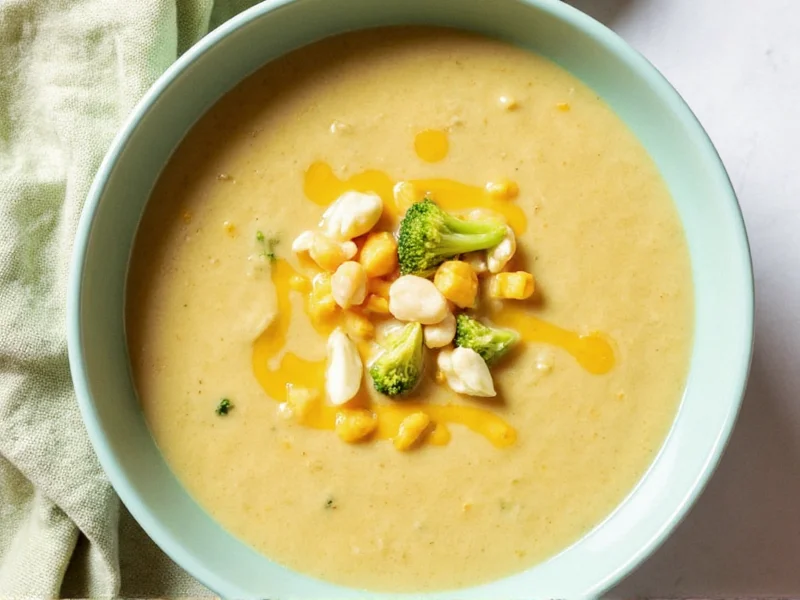
Creating a satisfying broccoli cheddar soup that doesn't compromise on flavor while delivering better nutrition is exactly what Skinnytaste's popular recipe accomplishes. This healthier take on a beloved comfort food has gained widespread popularity among home cooks seeking nutritious yet delicious meal options. The magic lies in strategic ingredient substitutions and cooking techniques that maintain the creamy texture and savory taste we crave from this classic dish.
Why This Recipe Works for Health-Conscious Cooks
Skinnytaste's approach to broccoli cheddar soup demonstrates how thoughtful recipe development can transform traditionally heavy comfort foods into nutritious meals. The recipe cleverly uses evaporated skim milk instead of heavy cream, providing creaminess with significantly less fat. Nutritional yeast adds depth of flavor that reduces the need for excessive cheese while contributing B vitamins. The incorporation of pureed cauliflower creates a velvety texture without additional dairy.
The Evolution of Healthy Comfort Food
Broccoli cheddar soup's transformation reflects decades of nutritional science advancement. In 1980, the first Dietary Guidelines for Americans introduced fat reduction principles, prompting initial recipe modifications. The 1990s saw NIH-funded research (NHLBI Obesity Education Initiative) validate low-fat dairy substitutions in comfort foods. By 2010, USDA's MyPlate guidelines emphasized vegetable integration, directly inspiring techniques like cauliflower puree for texture enhancement. Today's optimized versions like Skinnytaste's represent the culmination of 40+ years of evidence-based dietary refinement.
Essential Ingredients for Perfect Skinnytaste Broccoli Cheddar Soup
The beauty of this healthy broccoli cheddar soup recipe lies in its balance of wholesome ingredients that deliver maximum flavor with minimal compromise. Here's what you'll need for an authentic Skinnytaste experience:
- 1 tablespoon olive oil (instead of traditional butter-heavy roux)
- 4 ounces lean turkey bacon, chopped (optional for vegetarian version)
- 1 medium onion, finely chopped
- 3 cloves garlic, minced
- 1 medium head broccoli, cut into small florets (stems peeled and diced)
- 1 cup cauliflower florets (secret ingredient for creaminess)
- 2 cups reduced-sodium chicken or vegetable broth
- 1 cup evaporated skim milk
- 1½ cups reduced-fat sharp cheddar cheese, shredded
- 2 tablespoons nutritional yeast (for cheesy flavor with less cheese)
- ½ teaspoon smoked paprika
- Salt and freshly ground black pepper to taste
| Nutrient | Per Serving (1.5 cups) | Traditional Version Comparison |
|---|---|---|
| Calories | 320 | 480 |
| Total Fat | 18g | 32g |
| Saturated Fat | 9g | 18g |
| Protein | 22g | 18g |
| Fiber | 5g | 2g |
Step-by-Step Cooking Instructions
Follow these detailed steps for perfect skinnytaste broccoli cheddar soup every time. The preparation takes about 20 minutes with 25 minutes of cooking time, yielding 4 hearty servings.
- Sauté aromatics: Heat olive oil in a large pot over medium heat. Add turkey bacon (if using) and cook until crisp. Remove bacon, leaving 1 tablespoon of fat in the pot. Add onion and cook until translucent (5 minutes), then add garlic and cook for 1 minute more.
- Build the base: Add broccoli florets, diced stems, and cauliflower to the pot. Pour in broth, bring to a simmer, and cook covered for 15 minutes until vegetables are tender.
- Create creamy texture: Use an immersion blender to puree about half of the soup directly in the pot. This technique creates natural creaminess without heavy cream while maintaining some vegetable texture.
- Add dairy components: Stir in evaporated milk, nutritional yeast, and smoked paprika. Heat through but do not boil.
- Incorporate cheese: Remove pot from heat and gradually stir in shredded cheddar until melted and smooth. Adding cheese off-heat prevents separation.
- Final seasoning: Return to low heat if needed, add reserved bacon, and season with salt and pepper to taste. Simmer gently for 2-3 minutes to allow flavors to meld.
Pro Tips for Best Results
Mastering this healthy broccoli cheddar soup recipe requires attention to a few key details that make all the difference in flavor and texture:
- Cheese selection matters: Always use freshly shredded reduced-fat sharp cheddar rather than pre-shredded cheese, which contains anti-caking agents that can make your soup grainy.
- Temperature control: Never boil the soup after adding dairy components. Keep heat low to prevent curdling and maintain smooth texture.
- Broccoli stem utilization: Don't discard broccoli stems! Peel them and dice small—they add fiber and nutrients while reducing food waste.
- Flavor enhancement: For deeper flavor without extra calories, add a Parmesan rind while simmering the vegetables, removing it before blending.
- Make-ahead advantage: This soup actually tastes better the next day as flavors continue to develop. Store in an airtight container for up to 4 days.
Understanding Recipe Limitations
While this recipe suits most home kitchens, specific dietary conditions require adjustments per FDA and NIH guidelines. For lactose-intolerant individuals, evaporated skim milk may still cause discomfort; the NIDDK recommends substituting with lactose-free alternatives and aged cheeses which contain minimal lactose. Sodium-sensitive diets require caution—even with reduced-sodium broth, one serving contains 420mg sodium, representing 18% of the FDA's daily limit (2,300mg maximum). The soup's texture also won't satisfy those seeking traditionally thick roux-based versions, as the vegetable-puree method creates a brothier consistency ideal for sipping but less suitable for dipping.
Common Variations and Dietary Adaptations
One reason for the enduring popularity of skinnytaste's broccoli cheddar soup is its versatility. Consider these healthy modifications based on dietary needs:
- Vegan version: Substitute vegetable broth, omit bacon, use coconut milk instead of evaporated milk, and choose a quality vegan cheddar alternative.
- Gluten-free adaptation: The original recipe is naturally gluten-free, but verify broth ingredients if concerned about cross-contamination.
- Extra protein boost: Add 1 cup of cooked, shredded chicken breast or white beans for additional protein without compromising the light profile.
- Spicy kick: Incorporate ¼ teaspoon cayenne pepper or a few dashes of hot sauce for those who enjoy heat with their comfort food.
Serving Suggestions for Complete Meal Planning
To transform this healthy broccoli cheddar soup recipe into a satisfying, balanced meal, consider these pairing options that complement the flavors while maintaining nutritional integrity:
- Pair with a simple side salad featuring mixed greens, cherry tomatoes, and a light vinaigrette
- Serve with whole-grain bread or a small whole-wheat roll for dipping
- Add a protein component like grilled chicken breast or hard-boiled eggs
- For a complete vegetarian meal, accompany with roasted chickpeas for added crunch and protein
Storage and Reheating Guidelines
Proper storage ensures your skinnytaste broccoli cheddar soup maintains quality and flavor:
- Refrigeration: Store in an airtight container for up to 4 days. The soup may thicken when chilled—simply add a splash of broth or milk when reheating.
- Freezing: This soup freezes well for up to 3 months. Omit dairy before freezing, then add fresh evaporated milk and cheese when reheating.
- Reheating: Warm gently over medium-low heat, stirring frequently. Avoid boiling to prevent separation of dairy components.




 浙公网安备
33010002000092号
浙公网安备
33010002000092号 浙B2-20120091-4