
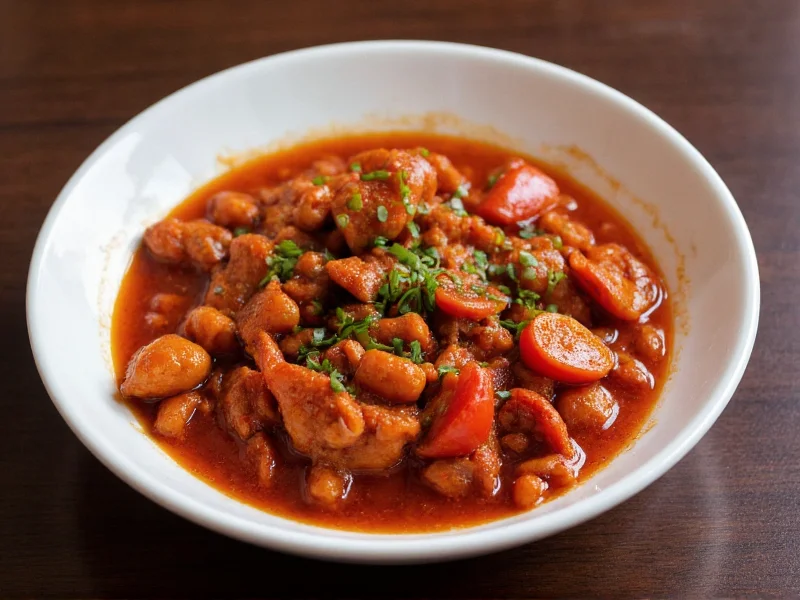
The Science Behind Sichuan's Signature Spiciness
Unlike other spicy cuisines that rely solely on capsaicin from chili peppers, authentic Sichuan cuisine features a dual sensory experience. Sichuan peppercorns contain hydroxy-alpha sanshool, which triggers a unique vibrating sensation on the tongue, while chili peppers provide the familiar burning heat. This combination creates the celebrated “ma la” effect that defines the region's culinary identity. Recent neurological studies confirm that Sichuan peppercorns activate different nerve pathways than traditional spicy ingredients, explaining why the sensation feels distinctly different from simply eating hot peppers.
Historical Development of Spicy Sichuan Cuisine
Contrary to popular belief, Sichuan cuisine wasn't always characterized by intense spiciness. Historical records show that before the 16th century, Sichuan cooking relied more on local herbs and ginger for flavor. The introduction of chili peppers from the Americas via maritime trade routes revolutionized the region's culinary landscape. By the Qing Dynasty (1644-1912), chili peppers had become widely adopted as farmers discovered their preservative qualities in the humid climate. This historical adaptation explains why understanding why is Sichuan food so spicy requires examining both geographical necessity and cultural evolution.
Evolution of Sichuan Spiciness: A Historical Timeline
The development of Sichuan's distinctive spiciness spans centuries of adaptation, with key milestones documented by historical and botanical research:
- 1591: First recorded mention of chili peppers in China (Zhejiang province) [Source: Natural History Museum].
- 1684: Earliest documented use in Sichuan province [Source: Natural History Museum].
- 1644-1912 (Qing Dynasty): Widespread adoption of chili peppers in Sichuan for food preservation and medicinal purposes, becoming integral to local culinary identity [Source: Anderson (2016), Anthropological Quarterly].
- 2011: Chengdu designated a UNESCO City of Gastronomy, recognizing Sichuan cuisine's cultural significance [Source: UNESCO].
Key Ingredients That Define Sichuan Spiciness
The authentic Sichuan flavor profile depends on specific ingredients that work synergistically:
| Ingredient | Scientific Component | Sensory Effect | Traditional Purpose |
|---|---|---|---|
| Sichuan Peppercorns | Hydroxy-alpha sanshool | Numbing, tingling vibration | Counteract dampness, aid digestion |
| Facing Heaven Chilies | Capsaicin | Burning heat | Preservation, stimulate appetite |
| Fermented Pixian Doubanjiang | Complex fermentation compounds | Umami depth with gradual heat | Flavor base for signature dishes |
Regional Variations Within Sichuan Province
Understanding the nuances of ma la flavor profile explained requires recognizing that spiciness levels vary significantly across Sichuan. Chengdu-style cuisine features more balanced, aromatic spiciness with pronounced numbing elements, while Chongqing (formerly part of Sichuan) developed bolder, oil-heavy dishes with intense heat. The mountainous western regions use more dried chilies for preservation, whereas river valley areas incorporate fresh peppers. This regional diversity contradicts the common misconception that all Sichuan food delivers uniform, overwhelming heat.
Cultural Significance of Spiciness in Sichuan
In Sichuan culture, spiciness represents more than just flavor—it's a philosophical approach to dining. The region's famous “seven flavors and eight tastes” culinary philosophy incorporates spiciness as one element within a complex flavor spectrum. Traditional Chinese Medicine principles influenced this development, as spicy ingredients were believed to expel internal dampness and improve circulation in the humid climate. This medicinal perspective explains why the question of why Sichuan food is spicy connects deeply to regional health practices and environmental adaptation.
Contextual Boundaries: When Sichuan Spiciness Applies (and When It Doesn't)
While Sichuan cuisine is renowned for its spiciness, this characteristic operates within specific cultural and physiological boundaries:
- Not All Dishes Are Spicy: Approximately 30% of traditional Sichuan dishes are non-spicy, focusing on flavors like sweet and sour or pure umami. Examples include Yu Xiang (fish-fragrant) dishes without chili and many steamed preparations [Source: China Daily, Sichuan Cuisine Beyond Spicy].
- Traditional Medicine Context: Traditional Chinese Medicine classifies chili peppers as “hot” ingredients used to counteract “dampness” in humid climates. This therapeutic application is context-specific and not universally recommended [Source: Harvard T.H. Chan School of Public Health, Chinese Medicine and Nutrition].
- Regional Adaptation Limits: The unique chemical profile of Sichuan peppercorns is highly dependent on regional growing conditions, making authentic flavor difficult to replicate outside Sichuan's specific terroir [Source: Journal of Agricultural and Food Chemistry, Chemical Profiling Study].
Distinguishing Sichuan from Other Chinese Regional Cuisines
Many confuse Sichuan spiciness with Hunan cuisine, but key differences exist. While both regions use chili peppers extensively, Sichuan cuisine uniquely incorporates Sichuan peppercorns for the numbing “ma” sensation. Hunan food features straight heat without the numbing component, often using fresh chilies rather than fermented pastes. Understanding these distinctions helps clarify the difference between Sichuan and Hunan spiciness that often puzzles international diners. Cantonese cuisine, by contrast, rarely emphasizes spiciness, focusing instead on subtle flavors and fresh ingredients.
Authentic Sichuan Dishes Showcasing Spicy Profiles
True Sichuan spiciness appears in dishes where heat serves the overall flavor composition rather than dominating it:
- Kung Pao Chicken – Balanced heat with peanuts and Sichuan peppercorns
- Mapo Tofu – Signature numbing-spicy sauce with minced meat
- Dry-Fried String Beans – Wok-charred vegetables with controlled heat
- Twice-Cooked Pork – Fermented chili bean paste base with subtle numbing
These dishes demonstrate how skilled Sichuan chefs manipulate the sichuan peppercorn numbing sensation to enhance rather than overwhelm other flavors.
Modern Adaptations and Global Influence
As Sichuan cuisine gained international popularity, adaptations emerged that sometimes sacrifice authenticity for accessibility. Many Western “Sichuan” dishes amplify heat while minimizing the numbing element, misunderstanding the essential balance of ma la flavor profile explained. However, recent culinary trends show renewed interest in authentic preparation methods, with chefs emphasizing proper chili-to-peppercorn ratios and traditional cooking techniques. This evolution demonstrates how understanding the history of Sichuan cuisine spiciness helps preserve culinary authenticity while allowing for thoughtful innovation.




 浙公网安备
33010002000092号
浙公网安备
33010002000092号 浙B2-20120091-4