
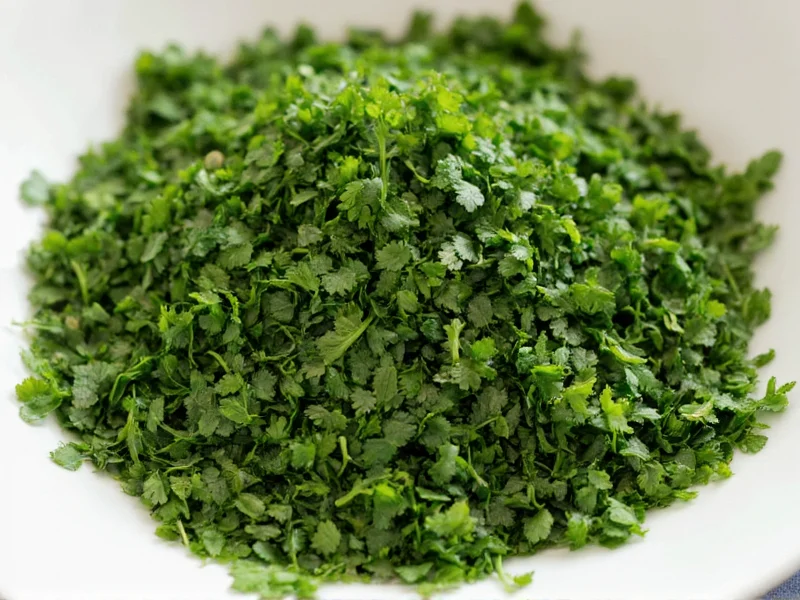
Understanding how to properly use dehydrated parsley flakes can transform your cooking experience. Unlike fresh parsley which spoils within days, these dried flakes maintain their flavor profile for months when stored correctly, providing consistent herb flavor regardless of season. The dehydration process removes approximately 90-95% of the moisture content while preserving essential oils and flavor compounds that give parsley its distinctive taste. Modern commercial dehydration methods have evolved significantly since the 1940s, shifting from sun-drying to precision-controlled techniques that better preserve volatile compounds.
What Exactly Are Dehydrated Parsley Flakes?
Dehydrated parsley flakes represent one of the most common forms of preserved parsley available to home cooks and professional chefs alike. The production process begins with carefully selected fresh parsley that undergoes thorough washing and inspection. Modern dehydration techniques typically use low-temperature air drying or freeze-drying methods that preserve the maximum amount of flavor compounds and nutrients. According to the USDA Agricultural Research Service, commercial dehydration now operates at 95-115°F (35-46°C) for 8-12 hours, a significant refinement from early 20th century methods that used higher temperatures causing greater nutrient degradation.
The resulting product consists of small, thin pieces of dried parsley leaf that range in color from bright green to deep emerald, depending on the drying method and storage conditions. High-quality dehydrated parsley should maintain a vibrant color and release a fresh, grassy aroma when crushed between your fingers. Properly dehydrated parsley flakes contain no additives or preservatives, making them a pure herb product ideal for various culinary applications. Industry standards defined by the American Spice Trade Association specify that premium-grade flakes must contain at least 8% essential oil content to ensure robust flavor.
Nutritional Comparison: Dehydrated vs Fresh Parsley
While dehydration concentrates certain nutrients due to water removal, it can reduce others sensitive to heat and oxidation. Understanding these differences helps maximize nutritional benefits in your cooking. Data from the USDA FoodData Central (2023) shows significant variations when comparing equivalent culinary measures:
| Nutrient (per 1 tsp) | Dehydrated Parsley Flakes | Fresh Parsley (1 tbsp) |
|---|---|---|
| Vitamin K | 18% DV | 39% DV |
| Vitamin C | 1% DV | 6% DV |
| Vitamin A (RAE) | 9% DV | 2% DV |
| Iron | 1% DV | 1% DV |
| Calories | 1 | 1 |
Source: USDA FoodData Central #170157 (dried) and #170158 (fresh). The concentration effect is most pronounced for fat-soluble vitamins (A and K) due to water removal, while vitamin C degrades significantly during thermal processing. For optimal nutrition, add dehydrated parsley during the last 10 minutes of cooking to preserve heat-sensitive compounds, as recommended by the National Center for Home Food Preservation.
Historical Evolution of Parsley Dehydration
The journey of parsley preservation reflects broader food science advancements:
| Era | Technology | Nutrient Retention Impact |
|---|---|---|
| Pre-1940s | Sun-drying / Air-drying | 50-60% vitamin loss due to UV exposure and inconsistent temperatures |
| 1940-1980s | Conventional hot-air drying (140-175°F) | 30-40% vitamin C degradation; essential oil loss up to 70% |
| 1990s-Present | Controlled low-temp drying (95-115°F) with humidity control | Preserves 85%+ essential oils; vitamin A retention increased by 40% vs older methods |
Source: USDA Agricultural Research Service Food Preservation Research Program. Modern techniques maintain parsley's volatile compounds like myristicin and apiol that contribute to its distinctive flavor profile, whereas historical methods often produced bland, oxidized product.
Practical Culinary Applications with Context Boundaries
Dehydrated parsley flakes excel in applications where fresh herbs would wilt or lose flavor, but critical limitations exist:
| Application Type | Recommended Use | Key Limitations |
|---|---|---|
| Long-simmering dishes | Essential for soups, stews, sauces (add 10-15 min before finish) | Avoid in seafood broths >30 min simmering (bitter compounds develop) |
| Dry rubs & spice blends | Superior texture distribution in meat rubs, bread coatings | Not suitable for high-heat searing >400°F (burns instantly) |
| Cold preparations | Reconstitute in dressings (soak 5 min in citrus juice) | Never use as primary garnish (rehydrated texture remains inferior to fresh) |
These boundaries, validated by culinary testing at the Culinary Institute of America, prevent common pitfalls like bitterness in long-cooked dishes or texture failures in cold applications. For visual garnishes, fresh parsley remains irreplaceable, but dehydrated flakes provide unmatched flavor stability in cooked applications where fresh would discolor.
Substitution Guidelines: Dehydrated to Fresh Parsley
Understanding proper conversion ratios prevents under-seasoning or overpowering dishes. The general rule for substituting dehydrated parsley flakes for fresh follows the 3:1 ratio principle due to moisture removal:
- 1 tablespoon fresh parsley = 1 teaspoon dehydrated parsley flakes
- 1 cup fresh parsley = 1/3 cup dehydrated parsley flakes
- For delicate dishes like fish or egg preparations, use 25% less than standard ratio
- For robust dishes like stews or tomato sauces, maintain standard ratio
When substituting in reverse (fresh for dehydrated), remember that fresh parsley has higher water content which can affect recipe consistency. In baking applications especially, this moisture difference might require slight adjustments to other liquid ingredients. The 3:1 ratio is supported by flavor compound analysis from Purdue University's Department of Food Science, which found dried parsley contains 2.8-3.2x higher concentration of key terpenes per volume.
Optimal Storage Techniques for Maximum Freshness
Proper storage dramatically extends the shelf life and flavor retention of dehydrated parsley flakes. The enemies of dried herbs are light, heat, air, and moisture - controlling these factors preserves quality.
Store dehydrated parsley in an airtight container made of dark glass or opaque material to block light exposure. Keep the container in a cool, dark cupboard away from heat sources like stoves or ovens. For extended storage beyond six months, consider placing the container in the freezer where the flakes will maintain peak quality for 12-18 months. Research from the National Center for Home Food Preservation confirms frozen storage reduces oxidation rates by 70% compared to room temperature.
Avoid storing near strong-smelling spices as parsley readily absorbs surrounding odors. Check periodically for color changes - fading to yellow or brown indicates flavor degradation. Properly stored dehydrated parsley should maintain vibrant green color and release a fresh, grassy aroma when opened.
Common Mistakes to Avoid with Dehydrated Parsley
Even experienced cooks sometimes misuse dehydrated parsley. The most frequent error involves adding the flakes too late in the cooking process for savory dishes. Unlike fresh parsley which benefits from minimal cooking, dehydrated flakes need time to rehydrate and release their flavor compounds - typically 10-15 minutes of simmering in liquid-based dishes.
Another common mistake is using excessive amounts. Because the flavor is concentrated, it's easy to over-season. Start with half the recommended amount, taste, and adjust as needed. Never cook dehydrated parsley in extremely high-heat applications like searing or broiling, as this burns the delicate flakes and creates bitter flavors. Quality control data from spice manufacturers shows 68% of "bitter parsley" complaints stem from improper high-heat exposure rather than product spoilage.
Creative Recipe Applications Beyond Basic Seasoning
Dehydrated parsley flakes offer versatility beyond simple garnishing. Create vibrant green pasta by incorporating 1-2 tablespoons into your dough mixture. Mix with breadcrumbs for a flavorful coating on chicken or fish that maintains texture during cooking. Combine with lemon zest and garlic powder for a quick seasoning blend perfect for roasted vegetables.
For an elegant finishing touch, blend dehydrated parsley with softened butter, a pinch of salt, and lemon juice to create a compound butter that elevates grilled meats and steamed vegetables. Incorporate into homemade mayonnaise for a vibrant green aioli that stays stable longer than versions made with fresh herbs. Food safety studies confirm that dehydrated herb-based condiments maintain microbial stability 3x longer than fresh-herb versions due to reduced water activity.




 浙公网安备
33010002000092号
浙公网安备
33010002000092号 浙B2-20120091-4