
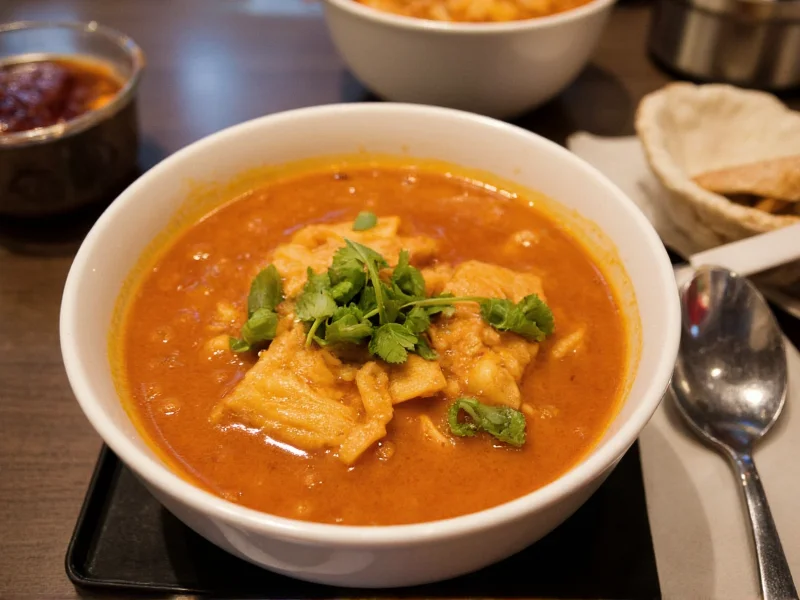
The Classic Seven Can Soup Recipe Explained
Seven can soup represents one of the most accessible pantry meals for home cooks facing time constraints or limited grocery access. This straightforward recipe requires precisely seven canned goods, eliminating the need for chopping, peeling, or special preparation. The beauty of this approach lies in its flexibility—while traditional versions follow a specific ingredient list, modern adaptations accommodate various dietary needs and pantry contents.
Essential Ingredients for Traditional Seven Can Soup
The standard seven can soup recipe uses these specific canned items:
| Can # | Ingredient | Standard Size | Key Contribution |
|---|---|---|---|
| 1 | Vegetable broth | 14.5 oz | Flavor base and liquid |
| 2 | Diced tomatoes | 14.5 oz | Acidity and texture |
| 3 | Kidney beans | 15 oz | Protein and heartiness |
| 4 | Green beans | 14.5 oz | Vegetable component |
| 5 | Corn | 15 oz | Sweetness and texture |
| 6 | Peas | 15 oz | Additional vegetables |
| 7 | Tomato sauce | 8 oz | Thickening and depth |
Step-by-Step Preparation Guide
Creating seven can soup requires minimal effort but delivers maximum convenience:
- Drain kidney beans, peas, and corn to reduce sodium content (optional but recommended)
- Pour all seven cans into a large pot, including liquid contents
- Stir ingredients thoroughly to combine
- Bring mixture to a gentle boil over medium heat
- Reduce heat to low and simmer for 15-20 minutes
- Stir occasionally to prevent sticking
- Season with salt, pepper, and preferred herbs to taste
- Serve hot with crusty bread or crackers
Understanding Ingredient Roles in Seven Can Soup
Each can serves a specific purpose in this pantry meal. The vegetable broth establishes the foundational flavor while providing necessary liquid. Diced tomatoes add acidity that balances the richness, and their texture creates visual appeal. Kidney beans deliver plant-based protein that makes the soup satisfying and complete. Green beans contribute a distinct vegetable element often missing in canned soup recipes. Corn provides natural sweetness that counters tomato acidity, while peas add additional vegetable nutrition. Finally, tomato sauce thickens the mixture and deepens the overall flavor profile.
Adapting Seven Can Soup for Dietary Needs
Modern seven can soup variations accommodate various dietary requirements without compromising the core concept:
- Low-sodium version: Use no-salt-added canned goods and rinse beans thoroughly
- Vegan adaptation: Ensure broth is vegetable-based (most standard versions already are)
- Gluten-free preparation: Naturally gluten-free when using standard canned ingredients
- Higher protein version: Add canned white beans or chickpeas while reducing another bean variety
- Spicy variation: Include a can of diced tomatoes with green chilies instead of regular diced tomatoes
Nutritional Profile and Health Considerations
Seven can soup provides a balanced mix of nutrients when prepared thoughtfully. A standard serving contains approximately 220-280 calories, 10-15 grams of protein, and 8-12 grams of fiber. The primary nutritional concerns involve sodium content, which can reach 800-1,200mg per serving in traditional preparations. Smart cooks address this by selecting low-sodium canned goods or rinsing beans before use. The soup delivers multiple vegetable servings in one bowl, making it nutritionally superior to many convenience foods. For enhanced nutrition, consider adding fresh spinach or kale during the last five minutes of cooking.
Storage and Meal Prep Strategies
Seven can soup excels as a meal prep option due to its excellent storage properties. Properly stored in airtight containers, it maintains quality for 4-5 days in the refrigerator. For longer storage, freeze portions in freezer-safe containers for up to three months. When reheating, add a splash of water or broth as the soup thickens when chilled. This recipe scales exceptionally well—simply multiply ingredients to create larger batches for weekly meal planning. Many home cooks prepare double batches on weekends for quick weekday meals.
Common Mistakes to Avoid with Seven Can Soup
Even this simple recipe has pitfalls that affect the final result. Many beginners use all ingredients straight from the can without draining beans, resulting in a watery, overly salty soup. Others skip the simmering step, serving the soup cold or barely warm. Some add too many seasonings that overwhelm the delicate balance of canned ingredients. The most successful seven can soup preparations include a brief simmering period to blend flavors, moderate seasoning, and occasional stirring to prevent sticking. Remember that canned ingredients have already been cooked, so the goal is flavor integration rather than cooking raw components.
Elevating Basic Seven Can Soup
Transform your seven can soup from basic to exceptional with these professional tips:
- Add fresh herbs like parsley or thyme during the last five minutes of cooking
- Finish with a squeeze of fresh lemon juice to brighten flavors
- Stir in a tablespoon of tomato paste for richer tomato flavor
- Garnish with grated Parmesan cheese for umami enhancement
- Add a splash of vinegar (apple cider or balsamic) to balance flavors
- Include a bay leaf while simmering for subtle complexity
Seasonal Variations for Seven Can Soup
This pantry staple adapts beautifully to seasonal preferences. During colder months, add a pinch of smoked paprika or a dash of Worcestershire sauce for depth. In spring, incorporate fresh herbs when serving. Summer versions might include a can of fire-roasted tomatoes for smoky sweetness. Fall preparations often benefit from a teaspoon of pumpkin pie spice for subtle warmth. The recipe's flexibility makes it appropriate year-round with minor adjustments that respect the original seven-can framework while refreshing the flavor profile.
Seven Can Soup in Meal Planning Context
Within comprehensive meal planning strategies, seven can soup serves multiple valuable functions. It provides an emergency meal option when groceries run low. The recipe works as a foundation for more elaborate dishes—simply add cooked chicken or sausage for a heartier version. Many families use it as a base for 'soup customization bars' where each person adds preferred toppings. Its affordability makes it ideal for budget-conscious meal planners, with a complete batch costing significantly less than prepared alternatives. The minimal preparation time fits perfectly into busy schedules, requiring only 5 minutes of active time for a complete meal.
FAQ: Seven Can Soup Questions Answered
Can I make seven can soup without tomato products?
Yes, you can substitute the diced tomatoes and tomato sauce with additional vegetable broth and a can of pumpkin puree or butternut squash. This creates a tomato-free version while maintaining the seven-can structure and creamy texture.
How can I reduce the sodium content in seven can soup?
Choose no-salt-added or low-sodium canned goods, drain and rinse all beans thoroughly, and consider using half the amount of broth with water to dilute sodium content. Adding fresh lemon juice or vinegar can help balance flavors when reducing salt.
What are the best canned ingredients for seven can soup variations?
Popular variations include substituting kidney beans with white beans, using fire-roasted tomatoes for depth, adding a can of lentils for extra protein, or replacing corn with diced carrots. The key is maintaining the seven-can structure while rotating ingredients based on preference or availability.
Can seven can soup be made in a slow cooker?
Absolutely. Combine all seven cans in a slow cooker and cook on low for 2-3 hours. The extended cooking time allows flavors to meld beautifully, though avoid cooking longer than 4 hours as canned vegetables may become too soft.
How does seven can soup compare nutritionally to homemade soup?
While fresh homemade soup generally offers superior nutrition, seven can soup provides a surprisingly balanced alternative when prepared thoughtfully. By selecting low-sodium options and rinsing beans, you can create a meal with decent protein, fiber, and vegetable content that significantly outperforms many convenience foods in nutritional value.




 浙公网安备
33010002000092号
浙公网安备
33010002000092号 浙B2-20120091-4