
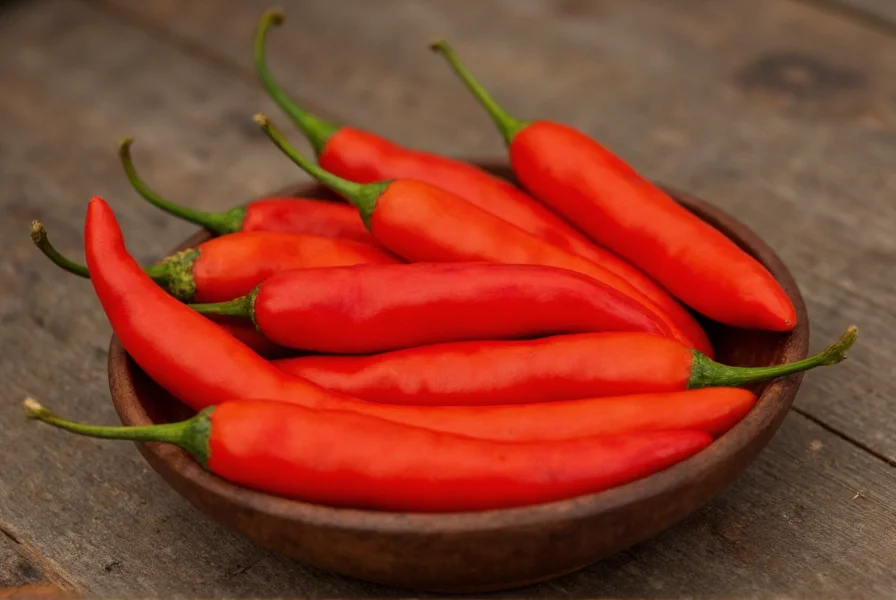
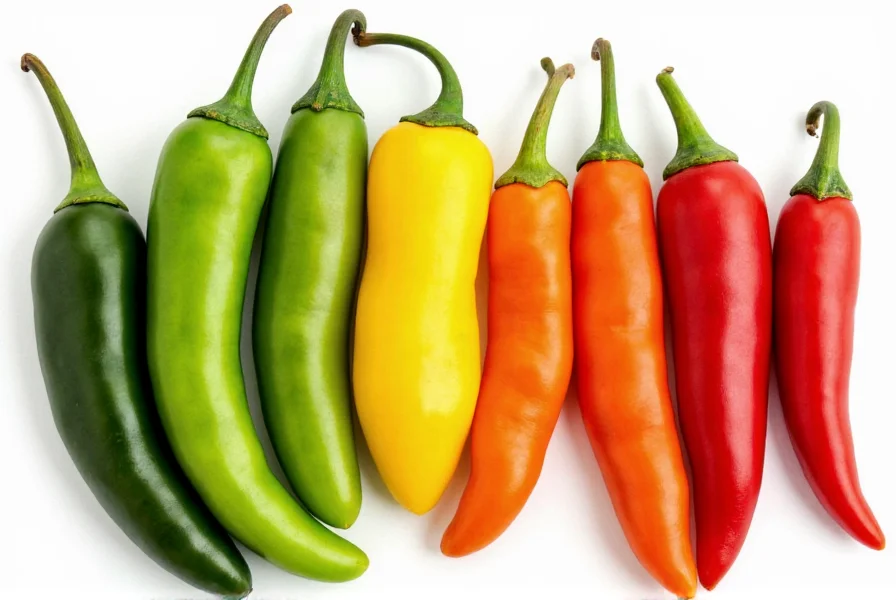
Native to the mountainous regions of Mexico, serrano peppers (Capsicum annuum) have become a staple in kitchens worldwide for their distinctive heat and flavor profile. These slender chilies typically measure 1-4 inches in length and mature from green to vibrant red, though yellow, orange, and brown varieties also exist. Unlike many chilies that develop sweetness as they ripen, serranos maintain their characteristic sharp, vegetal flavor throughout their color transition.
Understanding Serrano Pepper Heat Level
When evaluating how hot are serrano peppers compared to other varieties, the Scoville scale provides clear metrics. Serranos range from 10,000 to 23,000 Scoville Heat Units (SHU), making them significantly hotter than jalapeños (2,500-8,000 SHU) but milder than habaneros (100,000-350,000 SHU). The heat concentration varies based on growing conditions, with stressors like drought increasing capsaicin production.
| Pepper Variety | Scoville Heat Units | Relative Heat to Serrano |
|---|---|---|
| Jalapeño | 2,500-8,000 | 3-4x milder |
| Serrano | 10,000-23,000 | Baseline |
| Cayenne | 30,000-50,000 | 2-3x hotter |
| Habanero | 100,000-350,000 | 6-15x hotter |
Flavor Profile and Culinary Applications
The serrano chili pepper flavor profile features a bright, grassy taste with subtle citrus notes that intensifies as the pepper matures. Unlike bell peppers that develop sweetness, serranos maintain their characteristic sharpness while gaining complexity. This makes them ideal for applications where heat shouldn't overwhelm other flavors.
Chefs prefer serranos for serrano pepper recipes requiring clean heat without excessive smokiness. They're essential in traditional Mexican pico de gallo, where their thinner walls and higher water content create a fresher salsa compared to jalapeños. The peppers perform exceptionally well in raw applications like ceviche and fresh guacamole, where their crisp texture and immediate heat delivery shine.
Growing Serrano Peppers Successfully
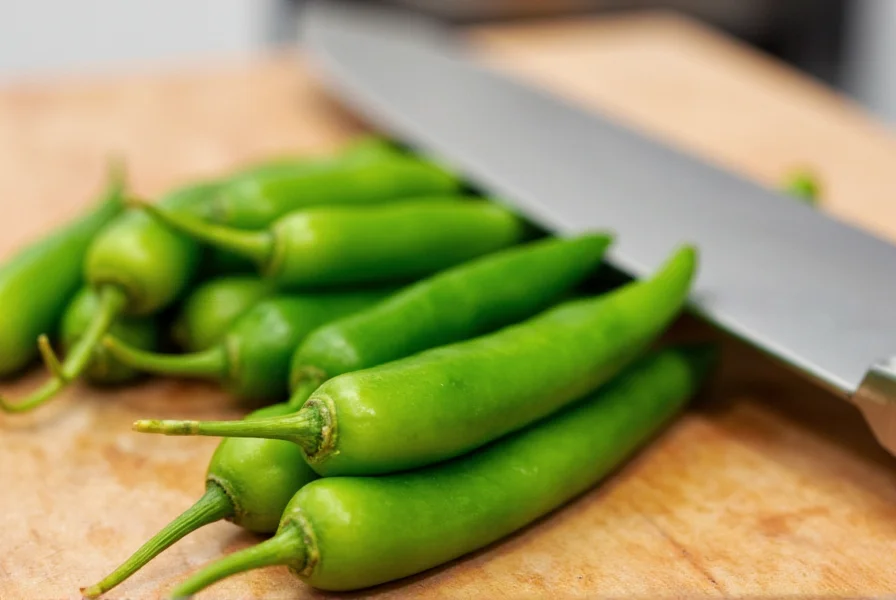
For gardeners interested in growing serrano peppers at home, these plants thrive in warm climates with well-draining soil and full sun exposure. They typically reach 24-36 inches in height and produce abundant fruit when temperatures stay between 70-85°F (21-29°C). Unlike some chili varieties, serranos don't require extremely long growing seasons, maturing in 70-80 days from transplant.
Successful serrano pepper growing conditions include consistent moisture without waterlogging, as drought stress increases heat but reduces yield. Container gardening works well for serranos, with 5-gallon pots providing adequate space. The plants benefit from balanced fertilizer applications every 3-4 weeks during the growing season.
The Historical Evolution of Serrano Peppers
Serrano peppers trace their origins to Mexico's mountainous regions, with archaeological evidence confirming chile domestication in Mesoamerica over 6,000 years ago. The specific serrano variety evolved in the sierras (mountains) of Puebla and Hidalgo states, where indigenous communities selectively bred wild chiltepin peppers for desirable traits. Spanish documentation from the 16th century first recorded serranos as distinct from other chiles, noting their use in pre-Hispanic Aztec cuisine.
| Era | Development Milestone |
|---|---|
| 6000-5000 BCE | Archaeobotanical evidence from Tehuacán Valley shows earliest chile domestication |
| 1519-1521 | Spanish conquistadors document serrano-like peppers in Bernardino de Sahagún's Florentine Codex |
| 1890s | First commercial cultivation records in Hidalgo, Mexico |
| 1970s-Present | Global dissemination through Mexican culinary exports; now grown in California, Spain, and Thailand |
Source: Chile Pepper Institute, New Mexico State University (Historical Documentation of Capsicum Domestication)
Storage and Preservation Techniques
Fresh serranos maintain quality for 1-2 weeks when stored in the crisper drawer of your refrigerator. For longer preservation, consider these methods:
- Freezing: Whole or sliced peppers freeze well for 6-8 months without blanching
- Pickling: Creates tangy serrano peppers ideal for tacos and sandwiches
- Drying: Results in concentrated flavor perfect for grinding into powder
- Oil preservation: Infuses oil with mild heat for cooking applications
Contextual Limitations: When Serrano Peppers Are Suboptimal
While versatile, serrano peppers have specific constraints requiring culinary awareness. Their thin walls (1-2mm) make them unsuitable for stuffing applications where structural integrity is needed, unlike thicker-walled poblanos (4-5mm). Heat variability presents another limitation: serranos from drought-stressed plants can exceed 23,000 SHU, creating inconsistency in commercial food production.
Critical usage boundaries include:
- Digestive Sensitivity: Capsaicin may trigger symptoms in IBS or GERD patients. Clinical guidelines from the Mayo Clinic recommend avoiding serranos during symptom flares.
- Heat-Dependent Dishes: Unsuitable for slow-cooked sauces where prolonged heat degrades volatile flavor compounds, resulting in bitter notes.
- Texture Requirements: Not ideal for dishes needing substantial pepper presence (e.g., fajitas), as thin walls disintegrate quickly during cooking.
Source: Mayo Clinic (Dietary Management for IBS)
Nutritional Benefits of Serrano Peppers
Beyond their culinary value, serranos offer notable health benefits. A single pepper provides approximately 100% of the daily recommended vitamin C intake, plus significant vitamin A, potassium, and capsaicin. Research suggests health benefits of serrano peppers include improved metabolism, reduced inflammation, and potential cardiovascular support. The capsaicin content may also aid digestion and provide temporary pain relief when applied topically.
Serrano vs Jalapeño: Key Differences
When comparing serrano chili pepper vs jalapeno, several distinctions emerge beyond heat level:
- Size and shape: Serranos are longer (1-4 inches) and thinner with tapered ends, while jalapeños are shorter (2-3.5 inches) and wider
- Wall thickness: Serranos have thinner walls, making them better for raw applications
- Heat distribution: Serranos deliver immediate, sharp heat; jalapeños offer slower-building warmth
- Flavor complexity: Serranos maintain grassy notes; jalapeños develop more sweetness when ripe
Substituting Serrano Peppers in Recipes
When you need serrano pepper substitutes, consider these options based on your heat tolerance:
- For similar heat: Fresh green Thai chilies (use 1:1 ratio)
- Milder option: Jalapeños (use 2:1 ratio for equivalent heat)
- Hotter alternative: Red serranos or fresh cayenne peppers
- Smoky variation: Chipotle peppers in adobo sauce (adjust for liquid content)
Frequently Asked Questions
How much hotter are serrano peppers than jalapeños?
Serrano peppers are typically 2-4 times hotter than jalapeños. While jalapeños range from 2,500-8,000 Scoville Heat Units (SHU), serranos measure 10,000-23,000 SHU. The exact difference varies by individual pepper and growing conditions, with some serranos reaching nearly 10 times the heat of milder jalapeños.
Can you eat serrano peppers raw?
Yes, serrano peppers are commonly eaten raw in salsas, guacamole, and ceviche. Their thinner walls and higher water content make them particularly suitable for fresh applications compared to thicker-walled peppers like jalapeños. When consuming raw, remove the seeds and white membranes for milder heat, as these contain the highest concentration of capsaicin.
What color serrano pepper is the hottest?
Red serrano peppers are typically the hottest, as they've had more time to develop capsaicin during ripening. However, heat variation depends more on growing conditions than color alone. Environmental stressors like drought or temperature fluctuations increase heat levels in all color varieties. Generally, fully mature red serranos range from 15,000-23,000 SHU, while green varieties measure 10,000-18,000 SHU.
How do you reduce the heat of serrano peppers?
To reduce serrano pepper heat, remove all seeds and white membranes (placenta), which contain 80-90% of the capsaicin. Soaking sliced peppers in salt water or vinegar for 15-30 minutes can further reduce heat. Cooking methods also affect intensity - boiling reduces heat more than roasting. For significant heat reduction, pair with dairy products like yogurt or sour cream, which contain casein that binds to capsaicin.
Do serrano peppers turn red when ripe?
Yes, serrano peppers naturally transition from green to red as they ripen on the plant. This color change indicates increased sugar development and often higher heat levels. Some varieties may ripen to yellow, orange, or brown instead of red. The peppers remain edible at all color stages, with green serranos offering brighter, grassier flavor and red varieties providing deeper, slightly sweeter notes with intensified heat.




 浙公网安备
33010002000092号
浙公网安备
33010002000092号 浙B2-20120091-4