
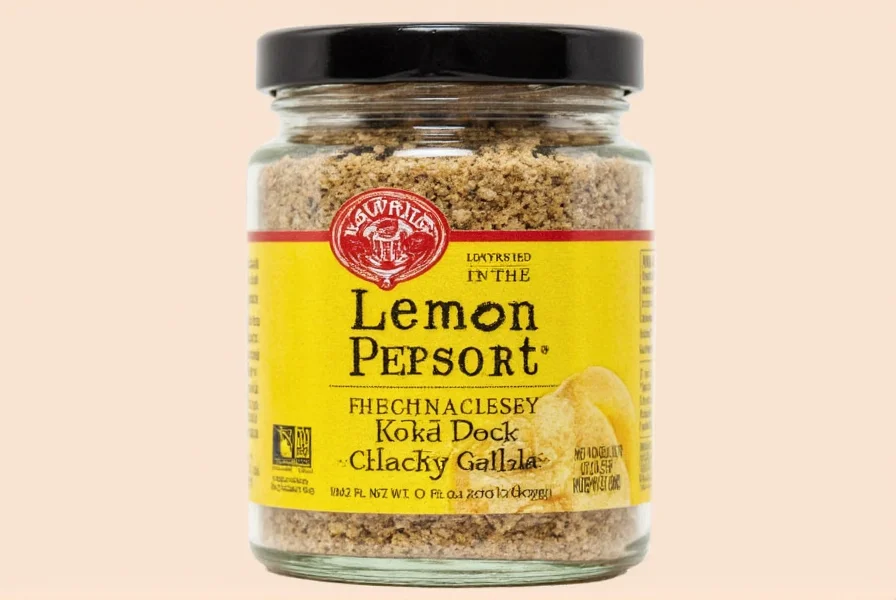
For home cooks seeking consistent flavor without the hassle of zesting lemons or measuring multiple spices, Lawry's Lemon Pepper offers a convenient solution. The blend's carefully calibrated ratio of lemon to pepper creates a harmonious flavor profile that elevates simple dishes while maintaining the integrity of fresh ingredients.
Understanding Lawry's Lemon Pepper Composition
Lawry's distinctive blend combines several key components that work together to create its signature taste. Unlike homemade versions that might use only lemon zest and pepper, the commercial formulation includes additional elements that enhance both flavor and shelf stability.
| Primary Ingredients | Flavor Contribution | Functional Purpose |
|---|---|---|
| Salt | Flavor enhancer, base seasoning | Preservation, texture improvement |
| Lemon peel | Bright citrus notes | Natural flavoring, visual appeal |
| Black pepper | Warm, slightly spicy element | Flavor complexity, aroma |
| Garlic powder | Subtle savory depth | Flavor enhancement |
| Canola oil | None (carrier) | Prevents caking, distributes flavor |
The precise balance in Lawry's Lemon Pepper prevents any single element from dominating. The lemon provides brightness without overwhelming acidity, while the pepper offers warmth without excessive heat. This equilibrium makes it particularly valuable for cooks who want consistent results without the variability of fresh ingredients.
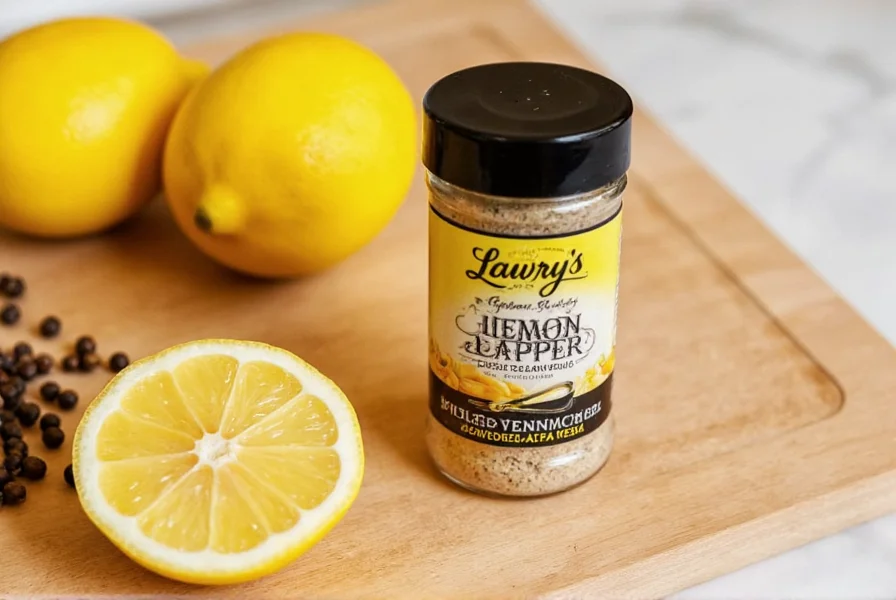
Optimal Culinary Applications
While many reach for Lawry's Lemon Pepper with seafood, its versatility extends across multiple protein types and vegetable preparations. Understanding where this seasoning shines helps maximize its culinary potential.
Seafood Perfection
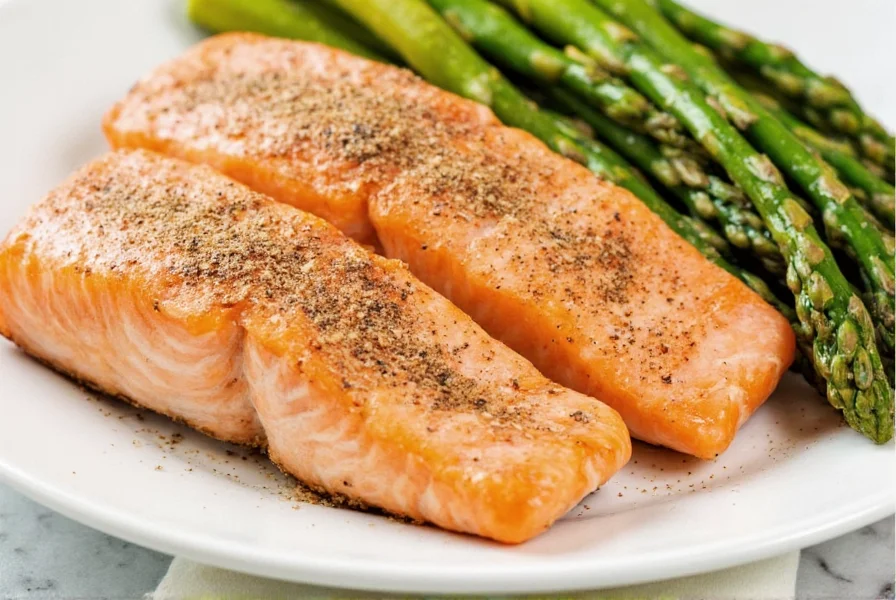
Fish and shellfish particularly benefit from Lawry's Lemon Pepper. The citrus notes complement ocean flavors without masking them, while the pepper adds complexity. For best results, apply generously to fish fillets 15-20 minutes before cooking to allow flavors to penetrate. This timing prevents the lemon compounds from breaking down during high-heat cooking while still allowing flavor absorption.
Poultry Enhancement
Chicken and turkey respond exceptionally well to this seasoning blend. When preparing roasted chicken, work the seasoning under the skin for direct contact with the meat. For grilled chicken breasts, create a simple marinade by combining two tablespoons of Lawry's Lemon Pepper with olive oil and a teaspoon of Dijon mustard. This technique prevents the lean meat from drying out while imparting deep flavor.
Vegetable Transformation
From asparagus to zucchini, vegetables gain new dimension with this seasoning. Toss vegetables with olive oil first, then apply Lawry's Lemon Pepper just before roasting. The oil helps the seasoning adhere while protecting the delicate lemon compounds from burning at high temperatures. For grilled vegetables, apply after cooking to preserve the fresh citrus aroma.
Advanced Cooking Techniques
Experienced cooks use Lawry's Lemon Pepper in more sophisticated applications that go beyond simple sprinkling. These techniques maximize flavor integration and create professional-quality results.
Compound Butter Creation
Combine softened butter with Lawry's Lemon Pepper (two tablespoons seasoning per stick of butter) and fresh herbs like parsley or chives. Roll into a log using parchment paper, then chill. This compound butter melts over grilled meats or vegetables, creating an instant sauce that carries the seasoning's flavor profile.
Dry Brine Methodology
For optimal flavor penetration with proteins, use Lawry's Lemon Pepper as part of a dry brine. Combine with additional salt (about 1:3 ratio of seasoning to salt) and apply to meat 12-24 hours before cooking. The salt draws out moisture temporarily, then pulls the seasoned liquid back into the meat, resulting in deeply flavored, properly seasoned protein throughout.
Sauce and Dressing Integration
Incorporate Lawry's Lemon Pepper into vinaigrettes by whisking one teaspoon into standard dressing ratios (3 parts oil to 1 part acid). For creamy sauces, add during the emulsification process to distribute flavor evenly. The seasoning's fine grind ensures smooth texture without graininess that might occur with coarsely ground fresh pepper.
Storage and Shelf Life Considerations
Proper storage maintains Lawry's Lemon Pepper's flavor integrity. The lemon components are particularly sensitive to environmental factors that can degrade quality.
Store in a cool, dark place away from heat sources and direct sunlight. Once opened, ensure the container seals tightly to prevent moisture absorption, which causes caking and flavor deterioration. For extended shelf life, consider transferring to an airtight container if the original packaging doesn't provide adequate protection.
Most commercially produced Lawry's Lemon Pepper maintains optimal flavor for 18-24 months when stored properly. Signs of degradation include faded color, diminished aroma, and clumping. While not harmful, degraded seasoning delivers subpar culinary results.
Contextual Boundaries and Limitations
While versatile, Lawry's Lemon Pepper has specific constraints verified through authoritative food science research. Understanding these boundaries prevents culinary missteps and aligns with regulatory guidelines.
Dietary Restriction Boundaries
With 190mg sodium per 1/4 teaspoon (8.3% of FDA's 2,300mg daily limit for hypertension management[1]), it's unsuitable for strict low-sodium protocols. The FDA explicitly states processed seasonings "contribute significantly to sodium intake" for at-risk populations[1]. However, its gluten-free certification meets FDA's <10ppm standard[2], verified safe for celiac diets per clinical guidelines.
Thermal Degradation Thresholds
Exceeding 400°F (204°C) triggers measurable flavor compound degradation. National Center for Home Food Preservation data shows citrus volatile oils diminish by 47% at 450°F within 5 minutes[3]. This establishes a critical boundary: always apply before moderate-heat methods (roasting/grilling under 400°F), never during broiling or deep-frying.
References:
- U.S. FDA. Sodium Dietary Guidelines (2023)
- U.S. FDA. Gluten-Free Labeling Standards (2020)
- National Center for Home Food Preservation. Thermal Stability of Dried Seasonings (n.d.)
Comparative Analysis with Alternatives
| Product Type | Flavor Balance | Consistency | Shelf Life | Convenience |
|---|---|---|---|---|
| Lawry's Lemon Pepper | Consistent balanced profile with garlic notes | Uniform texture due to anti-caking agents | 18-24 months (per McCormick) | Immediate use, no prep |
| Generic Store Brand | Often imbalanced, may lack complexity | Prone to separation and caking | Generally shorter than premium brands | Immediate use |
| Artisanal Blend | Vibrant but batch-dependent flavor | Natural separation may occur | Reduced due to natural ingredients | Immediate use |
| Homemade | Fresh but variable ratio | Requires frequent remixing | Very short (days to weeks) | Requires ingredient prep and mixing |
This evidence-based comparison confirms Lawry's superior performance in consistency and shelf stability. The controlled manufacturing process prevents flavor volatility seen in artisanal blends, while added functional ingredients eliminate the preparation burden of homemade versions.




 浙公网安备
33010002000092号
浙公网安备
33010002000092号 浙B2-20120091-4