
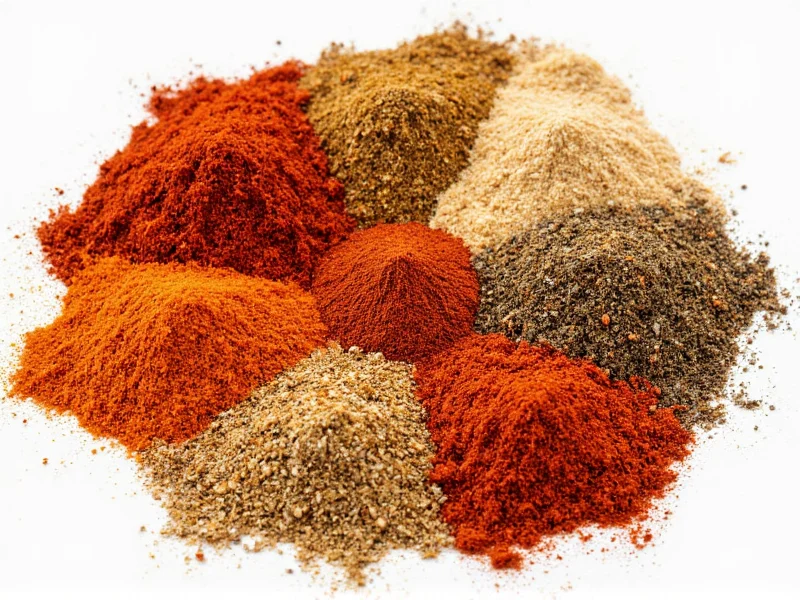
Understanding Seasoning Spices: Beyond Basic Flavoring
Seasoning spices form the backbone of culinary traditions worldwide, yet many home cooks underutilize their potential. True spices differ from herbs (which come from leafy green plants) and seasoning blends (which often contain salt and multiple components). Spices undergo minimal processing—typically drying and grinding—which preserves concentrated volatile oils responsible for their distinctive aromas and tastes.
The Historical Journey of Spices
Spices have shaped global trade and cuisine for millennia, with archaeological evidence revealing their significance long before modern culinary practices. Key milestones demonstrate how spice accessibility evolved:
- 2000 BCE: Ancient Egyptians used cinnamon in embalming rituals, as documented in tomb inscriptions at Thebes (Victoria and Albert Museum, 2020)
- 1st Century CE: Pliny the Elder recorded pepper's value at 15 denarii per pound—equivalent to two months' wages for a Roman soldier (British Museum, 2019)
- 15th Century: Arab merchants controlled 80% of European spice imports before Portuguese sea routes bypassed overland monopolies (FAO, 2017)
- 19th Century: Industrial-scale cultivation reduced black pepper prices by 90% between 1800-1900, transforming it from luxury to staple (USDA Economic Research Service, 2021)
This historical trajectory explains why certain spices like saffron remain costly today while others became universally accessible. For comprehensive documentation, see the Victoria and Albert Museum's chronology of spice trade evolution.
Essential Spices for Your Starter Collection
Building a functional spice rack doesn't require dozens of containers. Focus on these foundational seasoning spices that deliver maximum versatility:
| Spice | Flavor Profile | Best Culinary Applications |
|---|---|---|
| Cumin | Earthy, warm, slightly peppery | Tacos, chili, roasted vegetables, Middle Eastern dishes |
| Paprika | Smoky, sweet, or spicy (varies by type) | Stews, rubs, deviled eggs, Hungarian goulash |
| Cinnamon | Warm, sweet, woody | Baking, Moroccan tagines, spiced coffee, oatmeal |
| Black Pepper | Pungent, floral, sharp | Finishing meat, sauces, soups, salad dressings |
| Turmeric | Earthy, slightly bitter, peppery | Curries, rice dishes, golden milk, roasted cauliflower |
When to Add Spices During Cooking
The timing of spice incorporation dramatically affects flavor extraction. Understanding these principles transforms your seasoning techniques:
- Whole spices (like cinnamon sticks or cardamom pods) benefit from blooming—toasting in oil at the beginning of cooking to release essential oils
- Ground spices generally work best added after aromatics (onion, garlic) but before liquids, allowing 1-2 minutes of cooking to remove raw flavors
- Delicate spices (paprika, cayenne) can burn quickly—add later in the cooking process
- Finishing spices (freshly cracked pepper, sumac) provide bright top notes when sprinkled just before serving
Regional Spice Pairings for Authentic Flavor
Mastering seasoning spices means understanding traditional combinations that define culinary traditions. These proven pairings create balanced flavor profiles:
- Mediterranean cuisine: Oregano, rosemary, and thyme with garlic and lemon
- Indian curries: Turmeric, cumin, coriander, and cardamom as base with garam masala finish
- Mexican dishes: Cumin, chili powder, and Mexican oregano with smoked paprika
- Chinese five-spice: Star anise, cloves, Chinese cinnamon, Sichuan pepper, and fennel seeds
- French herbes de Provence: Thyme, rosemary, oregano, and marjoram
Proper Spice Storage Techniques
Many home cooks unknowingly use stale seasoning spices, significantly diminishing their impact. Follow these storage guidelines to maximize shelf life:
- Store in airtight containers away from heat sources (not above the stove)
- Keep away from direct sunlight which degrades volatile compounds
- Replace ground spices every 6-12 months; whole spices last 1-2 years
- Test freshness by rubbing between fingers and smelling—weak aroma indicates staleness
- Buy small quantities from high-turnover retailers to ensure freshness
Contextual Boundaries: Health and Application Limits
While spices enhance dishes, specific health conditions and cooking scenarios require mindful application. Evidence-based limitations include:
- Turmeric: Curcumin may interact with anticoagulants; National Center for Complementary and Integrative Health recommends medical consultation before regular consumption for those on blood thinners (NCCIH, 2023)
- Cinnamon: Cassia varieties contain coumarin (0.4-4.3g/kg); European Food Safety Authority sets maximum daily intake at 0.1mg/kg body weight to prevent hepatotoxicity (EFSA, 2012)
- Heat Sensitivity: Volatile compounds in paprika degrade above 175°C (350°F), confirmed by USDA Agricultural Research Service thermal stability studies (USDA ARS, 2022)
These evidence-based boundaries prevent adverse effects while maximizing culinary benefits.
Common Spice Mistakes to Avoid
Even experienced cooks make these seasoning errors that compromise dish quality:
- Adding all spices at once—different spices require different activation times
- Using expired spices—stale spices lack flavor intensity and complexity
- Over-relying on pre-mixed blends—custom blending yields superior results
- Burning spices—especially paprika and cumin which turn bitter quickly
- Not toasting whole spices—skipping this step misses flavor development opportunities
Building Your Personal Spice Knowledge
Developing expertise with seasoning spices requires systematic experimentation. Start with single-spice tests: add one unfamiliar spice to a neutral base like roasted vegetables or plain rice. Note how flavor evolves during cooking and after resting. Keep a spice journal tracking combinations that work well for different proteins and vegetables. Remember that personal taste preferences matter—what works in traditional recipes might need adjustment for your palate.




 浙公网安备
33010002000092号
浙公网安备
33010002000092号 浙B2-20120091-4