
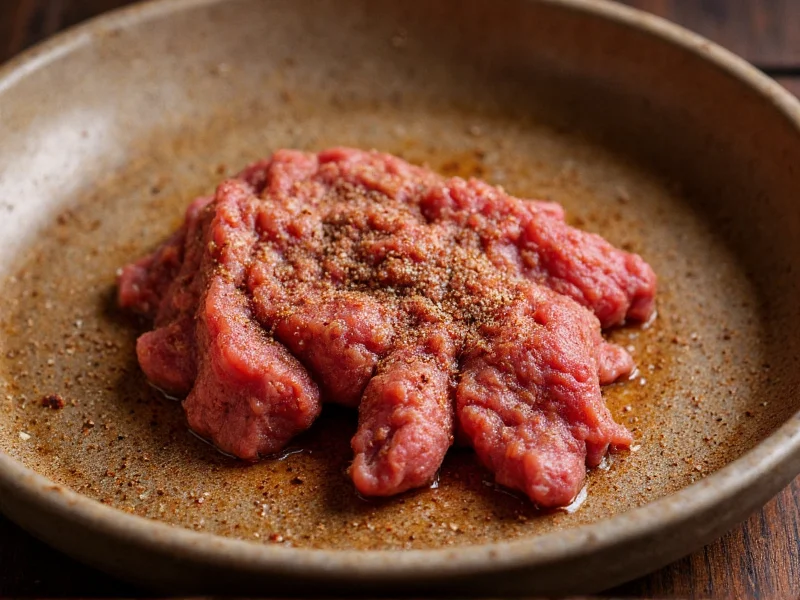
A well-crafted roast beef seasoning rub transforms an ordinary cut of meat into a showstopper with minimal effort. Many home cooks underestimate how much the right blend of spices affects both flavor development and crust formation during roasting. The magic happens through the Maillard reaction—where amino acids and sugars interact under heat—and proper seasoning creates the ideal conditions for this chemical process.
Essential Components of an Effective Roast Beef Rub
Creating the perfect roast beef seasoning rub requires understanding each ingredient's role. Salt isn't just for flavor—it helps break down proteins and draws moisture to the surface, creating that desirable crust. Freshly ground black pepper provides aromatic complexity that pre-ground pepper lacks. Dried herbs like rosemary and thyme withstand high roasting temperatures better than fresh versions, which can burn.
Garlic and onion powders deliver consistent flavor without the risk of burning that fresh garlic and onion pose. For those seeking roast beef rub without garlic powder, substitute with 1 teaspoon celery seed or 2 teaspoons dried porcini mushroom powder for similar umami depth.
The Science Behind Timing Your Seasoning Application
When to apply your seasoning rub for roast beef significantly impacts results. Research shows that applying salt 45 minutes to 24 hours before cooking allows time for osmosis to distribute seasoning deeper into the meat. The salt initially draws moisture to the surface, then that liquid is reabsorbed along with the seasoning.
Based on food science research from Texas A&M AgriLife Extension, here's the verified timeline of what occurs during the seasoning period:
- 24 Hours Before Roasting: Apply rub and refrigerate uncovered. Salt begins dissolving in surface moisture to form a brine. Texas A&M Dry Brining Guide
- 12 Hours Before Roasting: Brine is reabsorbed into the meat, carrying seasoning 1-2 cm deep and initiating protein breakdown for tenderization.
- 2 Hours Before Roasting: Remove from refrigerator to reach room temperature. This ensures even cooking and prevents uneven temperature gradients.
- Immediately Before Roasting: Pat surface dry if condensation formed during refrigeration to maximize crust formation.
For best results with your classic roast beef spice rub:
- Apply rub at least 45 minutes before roasting for immediate cooking
- For optimal flavor penetration, apply 12-24 hours in advance and refrigerate uncovered
- Always bring meat to room temperature (1-2 hours) before roasting after refrigeration
| Seasoning Component | Primary Function | Optimal Amount (per 3 lbs beef) |
|---|---|---|
| Kosher salt | Flavor enhancement, moisture control, protein breakdown | 2 tablespoons |
| Freshly ground black pepper | Aromatic complexity, slight heat | 1 tablespoon |
| Dried rosemary | Earthy, pine-like notes | 1 tablespoon |
| Garlic powder | Umami depth, savory notes | 1 tablespoon |
Perfect Roast Beef Seasoning Rub Recipe
This simple roast beef seasoning mix works for all cuts from eye of round to prime rib. The proportions ensure balanced flavor without overwhelming the natural beef taste.
Ingredients
- 2 tablespoons kosher salt (not table salt)
- 1 tablespoon freshly ground black pepper
- 1 tablespoon garlic powder
- 1 tablespoon onion powder
- 1 tablespoon dried rosemary, crushed between fingers
- 1 tablespoon dried thyme
- 1 teaspoon paprika (optional for color)
Application Method
- Dry the roast thoroughly with paper towels—moisture prevents proper crust formation
- Combine all ingredients in a small bowl
- Press the rub firmly onto all surfaces of the meat using your fingertips
- Refrigerate uncovered for 12-24 hours for best results
- Remove from refrigerator 2 hours before roasting to reach room temperature
Variations for Different Preferences
Customize your homemade roast beef rub proportions based on your flavor preferences:
Traditional Herb Rub
Replace garlic and onion powder with 1 tablespoon each of dried parsley and marjoram for a more subtle European-style flavor profile that complements high-quality beef.
Bold Coffee Rub
Add 1 tablespoon finely ground coffee and 1 teaspoon smoked paprika to the base recipe. The coffee enhances meat's natural umami without making the dish taste like coffee—a favorite among chefs for dry rub for prime rib roast.
Simple 3-Ingredient Option
For those seeking a minimalist approach: 2 tablespoons kosher salt, 1 tablespoon freshly ground pepper, and 1 tablespoon garlic powder. This simple roast beef seasoning mix delivers maximum impact with minimal ingredients.
Context Boundaries: When This Rub Works Best (and When It Doesn't)
While our classic roast beef seasoning blend is versatile, its effectiveness varies by cooking context. Based on guidelines from the National Cattlemen's Beef Association and the American Heart Association, here are key scenarios with verified adjustments:
| Scenario | Suitability | Limitations & Verified Adjustments |
|---|---|---|
| Prime Rib Roast (Traditional Oven Roasting) | Excellent | No adjustments needed. Follow standard application for optimal crust and flavor penetration. NCBA Roasting Guidelines |
| Slow Cooker Preparation | Limited | Rub may wash off in liquid. Verified adjustment: Sear meat first, then apply rub before placing in slow cooker. NCBA Slow Cooker Tips |
| Direct-Heat Grilling | Good (with caution) | Herbs may burn over open flame. Verified adjustment: Apply rub and grill over indirect heat, or sear first then apply rub for last 15 minutes. NCBA Grilling Recommendations |
| Low-Sodium Diets | Good (with adjustment) | Reduce salt by 50% and increase dried herbs by 50% to maintain flavor. American Heart Association Seasoning Guide |
Common Mistakes to Avoid
Even with the perfect best roast beef seasoning rub recipe, these errors can ruin your results:
- Using table salt instead of kosher salt—table salt is denser and will over-salt your meat
- Applying rub immediately before cooking—doesn't allow time for flavor penetration
- Not drying the meat surface first—moisture creates steam instead of sear
- Using old spices—spices lose potency after 6 months; test by rubbing between fingers—if no aroma, replace
Troubleshooting Your Roast Beef Results
Encountering issues with your how to make seasoning rub for roast beef results? Try these fixes:
- If crust isn't forming: Pat meat drier before applying rub, increase oven temperature for first 15 minutes of cooking
- If too salty: Soak in cold water for 15 minutes, then pat dry and continue roasting
- If flavors aren't penetrating: Next time apply rub 24 hours in advance and score the meat surface lightly
- If herbs are burning: Reduce oven temperature or cover exposed edges with foil
Storing Leftover Seasoning Rub
Make a larger batch of your classic roast beef seasoning blend and store properly:
- Keep in an airtight container away from light and heat
- Maximum shelf life: 6 months for optimal potency
- To refresh old spice blends: spread on baking sheet and toast at 350°F for 3-5 minutes
- Label containers with preparation date
Frequently Asked Questions
Can I use this roast beef seasoning rub on other meats?
Yes, this versatile rub works well on lamb, pork loin, and even roasted vegetables. For poultry, reduce the salt by half as chicken requires less seasoning than beef.
How much rub should I use per pound of beef?
Use approximately 1½ teaspoons of rub per pound of meat. For a 4-pound roast, apply about 6 teaspoons (2 tablespoons) total, pressing it firmly onto all surfaces for maximum adhesion.
Why shouldn't I use fresh herbs in my roast beef rub?
Fresh herbs contain moisture that can create steam instead of allowing proper searing. They also burn at roasting temperatures. Dried herbs withstand high heat better and provide more concentrated flavor in a dry rub application.
Can I make this rub without garlic and onion powder?
Absolutely. For a garlic and onion-free version, substitute with 2 teaspoons celery seed and 1 teaspoon mushroom powder. This alternative roast beef rub without garlic powder still delivers rich umami flavor through different ingredients.
Should I add oil to my roast beef seasoning rub?
No, oil isn't necessary in a proper dry rub. The meat's natural fats will render during cooking. Adding oil creates a paste that prevents proper crust formation and can cause the rub to burn. Apply the dry rub directly to a dry meat surface for best results.




 浙公网安备
33010002000092号
浙公网安备
33010002000092号 浙B2-20120091-4