
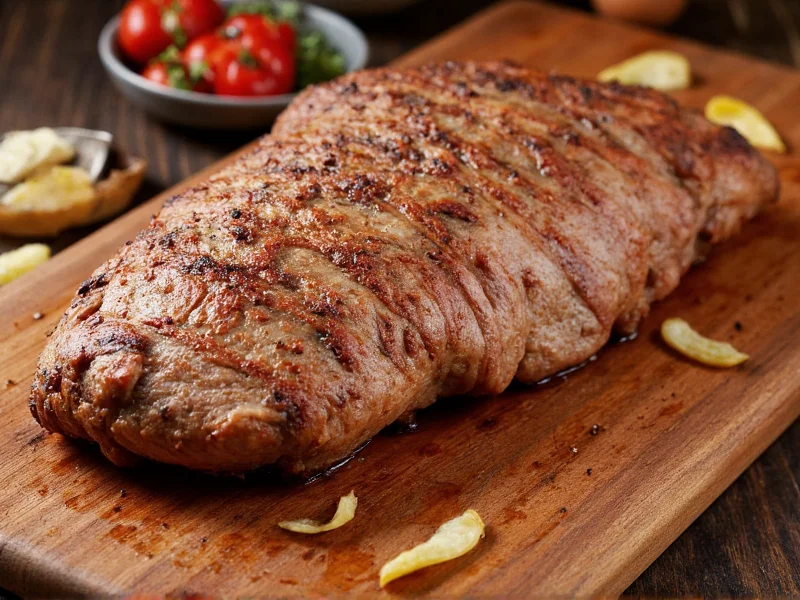
Creating perfectly seasoned pork requires understanding flavor chemistry, meat science, and cooking techniques. Whether you're preparing a simple weeknight dinner or special occasion meal, proper seasoning makes the difference between bland and extraordinary results. This comprehensive guide covers everything you need to know about seasoning pork effectively, from basic principles to advanced techniques that professional chefs use.
The Science Behind Pork Seasoning
Pork's mild flavor profile makes it exceptionally versatile for seasoning. Unlike beef with its strong umami notes, pork readily absorbs complementary flavors without overwhelming them. The key to successful pork seasoning lies in understanding how different compounds interact with the meat's protein structure.
Salt plays a crucial role beyond simple flavor enhancement. When applied properly, salt dissolves muscle proteins, allowing them to rebind and retain moisture during cooking. This process, called denaturation, creates a more tender texture. For best results, apply salt at least 45 minutes before cooking to allow proper absorption.
Essential Components of Pork Seasoning Blends
Effective pork seasoning balances four fundamental elements:
- Salt - Enhances flavor and improves texture
- Acid - Brightens flavors and tenderizes (vinegar, citrus, wine)
- Heat - Adds complexity (pepper, chili, mustard)
- Sweetness - Balances and caramelizes (sugar, honey, maple)
The ideal ratio varies by cut and cooking method. Lean cuts like pork tenderloin benefit from higher acid content to prevent dryness, while fatty cuts like pork shoulder can handle more sweetness for caramelization during slow cooking.
| Common Pork Cuts | Recommended Seasoning Approach | Marinating Time | Flavor Pairings |
|---|---|---|---|
| Pork chops | Dry rub with salt crust | 30-60 minutes | Garlic, rosemary, thyme |
| Pork tenderloin | Wet marinade | 2-4 hours | Honey, soy, ginger |
| Pork shoulder | Heavy dry rub | Overnight | Smoked paprika, cumin, brown sugar |
| Ground pork | Direct seasoning | Immediate use | Five-spice, garlic, scallions |
Evolution of Pork Seasoning Techniques
Historical advancements in food science have transformed pork seasoning from basic preservation to precision flavor engineering. These developments reflect changing food safety standards and culinary innovation:
| Era | Key Advancement | Scientific Significance |
|---|---|---|
| Pre-1800s | Traditional salt curing | Salt's osmotic action drew moisture from meat, creating inhospitable environments for bacteria while developing foundational flavor profiles (University of Wisconsin Extension, 2014) |
| 1800s | Sodium nitrate adoption | Nitrites prevented botulism in cured meats and fixed the pink color through chemical reactions with myoglobin (USDA FSIS, 2023) |
| 1950s-1970s | Vacuum tumbling technology | Mechanical action increased marinade absorption by 300% while preserving texture through reduced oxidation (University of Nebraska Food Safety, 2022) |
Dry Rub vs. Wet Marinade: Choosing the Right Method
The choice between dry rubs and wet marinades significantly impacts your final dish. Dry rubs create a flavorful crust while preserving the meat's natural texture. They work particularly well for high-heat cooking methods like grilling or pan-searing. Wet marinades penetrate deeper but can sometimes create a mushy surface if overused.
For optimal results with dry rubs, follow these steps:
- Pat pork completely dry with paper towels
- Apply salt first and let sit 30 minutes
- Apply remaining rub ingredients evenly
- Refrigerate uncovered for 1-24 hours
When using wet marinades, remember that acid components can begin to "cook" the meat surface if left too long. For most cuts, 2-12 hours provides ideal flavor penetration without texture damage. Always marinate in non-reactive containers like glass or food-grade plastic.
Regional Pork Seasoning Traditions
Cultures worldwide have developed distinctive approaches to seasoning pork. Understanding these traditions provides valuable insight for creating authentic flavors:
- Mexican al pastor - Achiote paste, guajillo chilies, pineapple, and vinegar create the signature sweet-spicy-tangy profile
- Chinese five-spice - Balanced blend of star anise, cloves, Chinese cinnamon, Sichuan pepper, and fennel seeds
- American barbecue - Regional variations from vinegar-based Eastern Carolina to sweet tomato-based Kansas City styles
- Mediterranean - Olive oil, lemon, garlic, and oregano create bright, herbaceous profiles
Advanced Seasoning Techniques
For exceptional results, consider these professional techniques:
Injection seasoning: Using a meat injector to deliver flavorful liquids directly into thicker cuts ensures even seasoning throughout. Combine broth, aromatics, and seasonings for maximum impact.
Layered seasoning: Apply different seasoning elements at various stages - salt early for texture, herbs later to preserve freshness, finishing salts after cooking for texture contrast.
Temperature-controlled seasoning: Understanding how different flavor compounds activate at specific temperatures helps time seasoning applications for maximum effect.
Common Seasoning Mistakes to Avoid
Even experienced cooks make these seasoning errors:
- Seasoning too late in the process (salt needs time to penetrate)
- Using pre-ground spices that have lost potency
- Over-marinating in acidic solutions
- Not accounting for cooking method in seasoning choices
- Seasoning only the surface without proper penetration
Remember that seasoning isn't just about adding flavor - it's about creating a complete sensory experience through thoughtful layering of tastes and textures.
Storing Seasoned Pork: Food Safety Parameters
Proper storage requires strict adherence to science-based guidelines to prevent foodborne illness. Critical constraints include:
- Refrigerate within 2 hours (1 hour if ambient temperature exceeds 90°F) to prevent bacterial growth in the "danger zone" (USDA FoodSafety.gov, 2023)
- Store below 40°F in airtight containers to maintain safety thresholds and prevent flavor transfer
- Use within 48 hours maximum - extended storage beyond USDA guidelines risks pathogen development even when refrigerated (FDA Food Code, 2022)
- Never reuse marinade without boiling for 60 seconds to destroy potential Salmonella and E. coli
Freezing extends storage but doesn't eliminate time constraints - frozen seasoned pork should be used within 3 months for optimal quality. Always thaw in the refrigerator to maintain temperature integrity.
Perfecting Your Pork Seasoning Process
Mastering pork seasoning requires attention to detail and understanding how different elements interact. Start with quality ingredients, measure precisely, and document your experiments. The perfect seasoning blend for your favorite pork dish exists - it just takes thoughtful experimentation to discover it. Remember that great seasoning enhances the pork's natural flavor rather than masking it completely.




 浙公网安备
33010002000092号
浙公网安备
33010002000092号 浙B2-20120091-4