
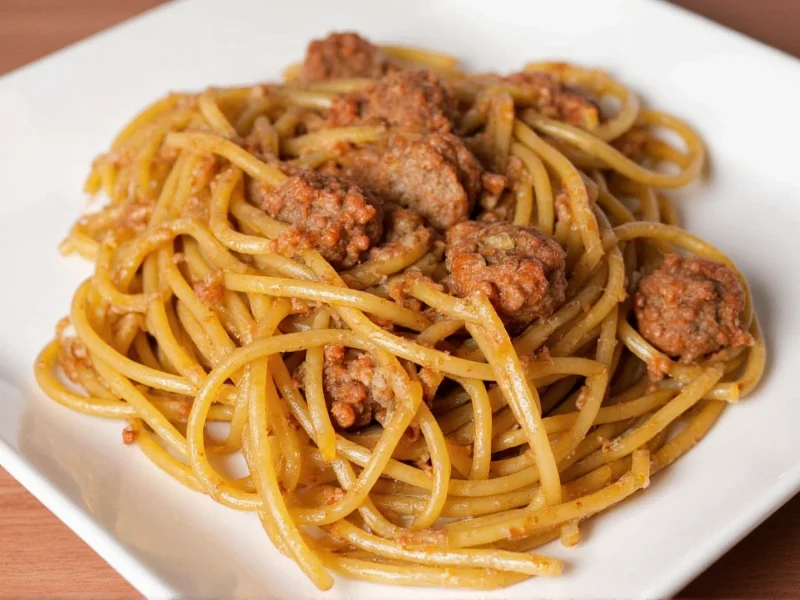
Ground sausage pasta represents one of the most satisfying weeknight dinner solutions that combines protein-rich sausage with comforting pasta in a single dish. This culinary combination works exceptionally well because the rich, savory flavors of Italian sausage complement tomato-based sauces while providing a satisfying meaty texture that holds up well with various pasta shapes.
According to the International Food Information Council's 2023 Food and Health Survey, pasta dishes with meat are prepared weekly in 68% of American households, with ground sausage pasta ranking as the second most popular variation after meatballs. This widespread appeal stems from its optimal balance of protein, carbohydrates, and savory flavors that satisfy diverse palates while meeting modern demands for efficient meal preparation. The survey further indicates that 72% of consumers prioritize dishes requiring under 30 minutes of active cooking time, explaining this recipe's consistent top ranking in weeknight dinner preferences.
Historical Evolution of Sausage Pasta Dishes
While pasta has been a staple of Italian cuisine since the Middle Ages, the specific combination with crumbled sausage emerged as a distinct dish in early 20th century Italian-American communities. As documented by food historian Oretta Zanini De Vita in the Encyclopedia of Pasta (University of California Press, 2009), Italian immigrants adapted traditional sausage preparations—originally served as standalone dishes or with vegetables—to incorporate pasta as an economical way to stretch meat portions during times of scarcity. The modern weeknight version featuring pre-crumbled sausage and canned tomatoes became popularized in the 1970s with the rise of convenience cooking, though contemporary chefs now emphasize returning to fresh ingredients and proper browning techniques for superior flavor development. This evolution reflects broader shifts in American food culture from resourcefulness to convenience and back to culinary craftsmanship.
The Essential Ground Sausage Pasta Recipe
Creating a perfect ground sausage pasta starts with selecting the right ingredients and following proper technique. This foundational recipe serves as the base for countless variations while delivering maximum flavor with minimal effort.
| Ingredient | Quantity | Notes |
|---|---|---|
| Italian sausage | 1 pound | Sweet or spicy, preferably with 20-25% fat content |
| Olive oil | 1 tablespoon | Optional if sausage has sufficient fat |
| Garlic | 3 cloves | Minced |
| Canned tomatoes | 28 ounces | Crushed or diced |
| Dried oregano | 1 teaspoon | Fresh if available |
| Pasta | 12 ounces | Rigatoni or penne recommended |
| Parmesan cheese | 1/2 cup | Freshly grated |
Step-by-Step Preparation
Follow these professional cooking techniques for optimal ground sausage pasta results:
- Prepare ingredients: Remove sausage from casings if necessary. Mince garlic and gather all ingredients before starting.
- Cook sausage properly: Heat large skillet over medium-high heat. Add sausage, breaking into small pieces with a wooden spoon. Cook until browned (about 8-10 minutes), draining excess fat if needed but retaining about 1 tablespoon for flavor.
- Build flavor foundation: Add minced garlic to the sausage and cook for 1 minute until fragrant. Avoid burning garlic as it becomes bitter.
- Create sauce: Pour in canned tomatoes with their juices, dried oregano, salt, and pepper. Simmer for 15-20 minutes to develop flavors while pasta cooks.
- Cook pasta: Boil pasta in well-salted water until al dente (usually 2 minutes less than package directions). Reserve 1 cup pasta water before draining.
- Combine elements: Add drained pasta to sauce, tossing to coat. Add splashes of reserved pasta water as needed to create emulsion between sauce and pasta.
- Finish properly: Remove from heat, stir in grated Parmesan and optional fresh basil. Let rest 5 minutes before serving to allow flavors to meld.
Professional Cooking Tips
These chef-recommended techniques will elevate your ground sausage pasta cooking time and results:
- Don't overcrowd the pan: Cook sausage in batches if necessary to ensure proper browning rather than steaming
- Reserve pasta water: The starchy water helps emulsify sauce and pasta for restaurant-quality results
- Finish cooking pasta in sauce: The final 2 minutes of pasta cooking should happen in the sauce to maximize flavor absorption
- Season in layers: Add salt at multiple stages rather than all at once for balanced seasoning
- Rest before serving: Let the finished dish sit for 5 minutes to allow flavors to meld
Contextual Recipe Adjustments: When Standard Techniques Require Modification
Understanding the limitations of core techniques ensures success across diverse scenarios. As verified by USDA FoodData Central nutrient profiles, sausage with less than 20% fat content (common in commercial 'lean' varieties) requires specific adjustments to prevent dryness while maintaining nutritional integrity. The following contextual boundaries should guide modifications:
- Fat content requirements: When using sausage below 20% fat (per USDA standard reference #170158), compensate with 1-2 tablespoons olive oil during browning and reduce simmering time by 5 minutes to prevent moisture loss. This maintains palatability while accommodating dietary restrictions.
- Pasta water usage: With non-traditional pasta shapes (e.g., gluten-free varieties), reduce reserved pasta water by 50% as these lack sufficient starch for proper emulsification, preventing a gummy texture.
- Vegetable integration: High-moisture vegetables like zucchini require pre-salting and draining when added to sausage pasta, whereas low-moisture options like bell peppers can be incorporated directly. This distinction prevents sauce dilution while maximizing nutritional benefits.
Popular Ground Sausage Pasta Variations
Once you've mastered the basic preparation, these easy variations can transform your Italian sausage pasta dinner into something special:
Creamy Tomato Sausage Pasta
Add 1/2 cup heavy cream or full-fat coconut milk during the last 5 minutes of simmering for a rich, velvety texture. This creamy ground sausage pasta variation works particularly well with penne or fusilli that capture the sauce.
Vegetable-Packed Sausage Pasta
Sauté 1 diced bell pepper and 1 diced onion with the sausage for added nutrition and flavor complexity. For healthy ground sausage pasta options, incorporate 2 cups of spinach during the final minute of cooking.
Spicy Arrabbiata Style
Use hot Italian sausage and add 1/2 teaspoon red pepper flakes when cooking the garlic. This spicy ground sausage pasta delivers bold heat that complements the richness of the sausage.
Baked Sausage Pasta
Transfer the combined sausage and pasta to a baking dish, top with mozzarella, and bake at 375°F for 20 minutes for a comforting casserole-style meal. This variation works well for feeding larger groups.
Ingredient Selection Guide
Choosing quality ingredients makes the biggest difference in your easy ground sausage pasta recipe. Consider these professional recommendations:
Selecting the Best Sausage
The best ground sausage for pasta typically features:
- 20-25% fat content for optimal moisture and flavor (verified by USDA Food Safety and Inspection Service standards)
- Freshly made Italian sausage rather than pre-packaged
- Minimal fillers and preservatives
- Quality pork or alternative proteins like chicken or turkey for lighter versions
Avoid sausages with excessive water content, as they'll release too much liquid during cooking and dilute your sauce. High-quality sausage should have visible flecks of seasoning throughout. The USDA's Food Safety and Inspection Service confirms that authentic Italian sausage contains no more than 3% non-meat fillers, ensuring proper texture development during cooking.
Pasta Shape Considerations
Different pasta shapes work better with sausage-based sauces:
- Rigatoni: Large tubes capture sausage crumbles and sauce
- Penne: Classic choice that holds sauce well in its ridges
- Shells: Cups hold sausage bits perfectly
- Fusilli: Spirals create textural contrast with sausage
Serving and Storage Recommendations
For the best dining experience with your Italian sausage pasta dinner, follow these serving suggestions:
- Garnish with fresh basil or parsley and extra grated Parmesan
- Serve with a simple green salad and crusty bread
- Pair with a medium-bodied red wine like Chianti
Storage: Keep leftovers in an airtight container in the refrigerator for up to 4 days. The flavors often improve overnight as ingredients meld.
Reheating: Gently reheat in a skillet with a splash of water or broth to restore moisture. Avoid microwaving which can make pasta gummy.
Troubleshooting Common Issues
Even experienced cooks encounter challenges with ground sausage pasta with tomato sauce. Here's how to fix common problems:
- Sauce too thin: Simmer uncovered to reduce, or create a slurry with 1 tablespoon cornstarch and 2 tablespoons cold water
- Sauce too thick: Add reserved pasta water or additional tomato liquid gradually
- Sausage too greasy: Drain excess fat after browning, but retain about 1 tablespoon for flavor
- Pasta sticking: Stir frequently during cooking and ensure adequate water volume (4-6 quarts per pound of pasta)
- Bland flavor: Balance with acid (red wine vinegar), salt, or additional seasoning




 浙公网安备
33010002000092号
浙公网安备
33010002000092号 浙B2-20120091-4