
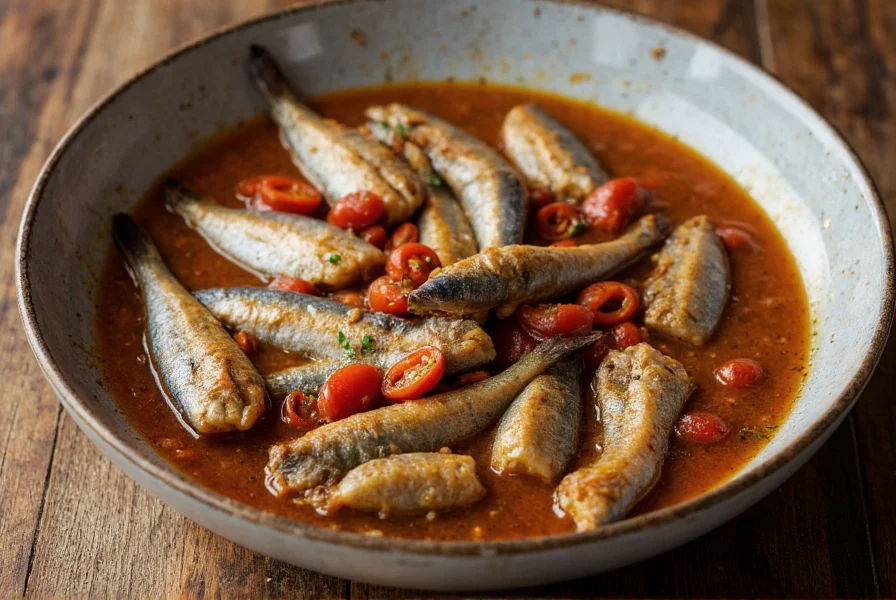
For seafood enthusiasts seeking convenient, nutrient-dense options, Sea Tales Sardines with Chili deliver a distinctive flavor profile that stands out in the canned fish market. Unlike standard sardine products, this variety incorporates carefully balanced chili seasoning that enhances rather than overwhelms the natural fish flavor.
Understanding Sea Tales Sardines with Chili
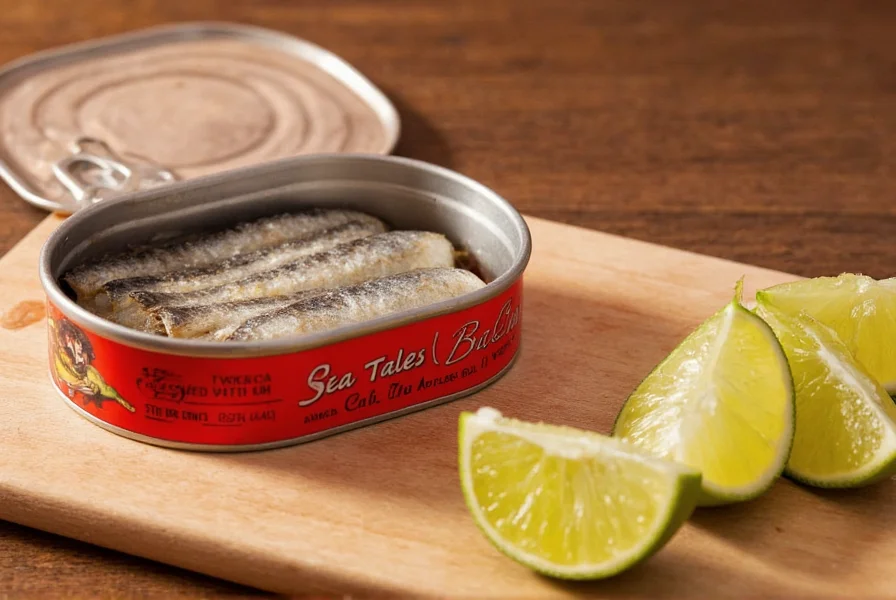
Sea Tales, a brand known for its commitment to sustainable fishing practices, sources Pacific sardines from well-managed fisheries. The "with chili" variant represents their innovative approach to traditional canned seafood, appealing to consumers who enjoy subtle heat in their pantry staples. These sardines undergo minimal processing to preserve nutritional integrity while delivering consistent flavor in every can.
Historical Evolution of Canned Sardines
Canned sardines represent one of the earliest applications of modern food preservation. According to historical records from the National Center for Home Food Preservation:
- 1810: Peter Durand patents the tin can in England, establishing the foundation for commercial canning.
- 1820s: French entrepreneurs begin canning sardines in small rectangular tins, leveraging abundant coastal catches.
- Late 1800s: Sardine canneries flourish along North America's Atlantic coast, with Maine emerging as a major production hub by the 1870s.
- 1950s: Innovation in packaging introduces the easy-open pull-tab lid, a convenience feature now standard in premium products like Sea Tales.
Source: National Center for Home Food Preservation, University of Georgia (History of Canning)
Ingredients and Nutritional Profile
The ingredient list for Sea Tales Sardines with Chili remains admirably simple: Pacific sardines, extra virgin olive oil, chili peppers, and salt. This straightforward formulation avoids unnecessary additives or preservatives common in many canned seafood products. Each 3.75-ounce serving provides approximately 220 calories, 15 grams of high-quality protein, and significant amounts of omega-3 fatty acids (EPA and DHA).
| Nutrient | Per Serving (106g) | % Daily Value |
|---|---|---|
| Calories | 220 | 11% |
| Total Fat | 16g | 21% |
| Saturated Fat | 2.5g | 13% |
| Omega-3 Fatty Acids | 1.2g | 75% |
| Protein | 15g | 30% |
| Calcium | 200mg | 15% |
| Vitamin D | 100IU | 15% |
These sardines serve as an excellent source of calcium (from the edible bones), vitamin D, and selenium. The inclusion of extra virgin olive oil enhances both flavor and nutritional profile, providing monounsaturated fats that support heart health. The chili content contributes capsaicin, which research suggests may offer metabolic benefits.
Taste Profile and Culinary Characteristics
When evaluating Sea Tales sardines with chili ingredients, the flavor balance proves remarkably well-executed. The chili provides a gentle warmth that complements rather than dominates the delicate sardine flavor. Many consumers describe the heat level as mild to moderate—noticeable but not overwhelming, making it accessible even to those with moderate spice tolerance.
The texture remains firm yet tender, with the sardines maintaining their structural integrity when removed from the can. Unlike some inferior canned fish products, Sea Tales sardines with chili show no signs of excessive oil separation or mushiness. The olive oil base carries the chili flavor evenly throughout the product, creating a cohesive taste experience.
Storage Recommendations and Shelf Life
Proper storage significantly impacts the quality of Sea Tales sardines with chili shelf life. Unopened cans maintain peak quality for 2-3 years when stored in a cool, dry place away from direct sunlight. Once opened, transfer unused portions to an airtight container and refrigerate, consuming within 2-3 days for optimal freshness.
Before consumption, examine the can for any signs of damage, swelling, or leakage, which indicate potential spoilage. The sardines should have a clean, ocean-fresh aroma without any sour or metallic notes. Properly stored product shows no discoloration or unusual separation of ingredients.
Practical Culinary Applications
Understanding the best ways to eat Sea Tales sardines with chili opens numerous culinary possibilities. The mild heat level makes them versatile across various applications:
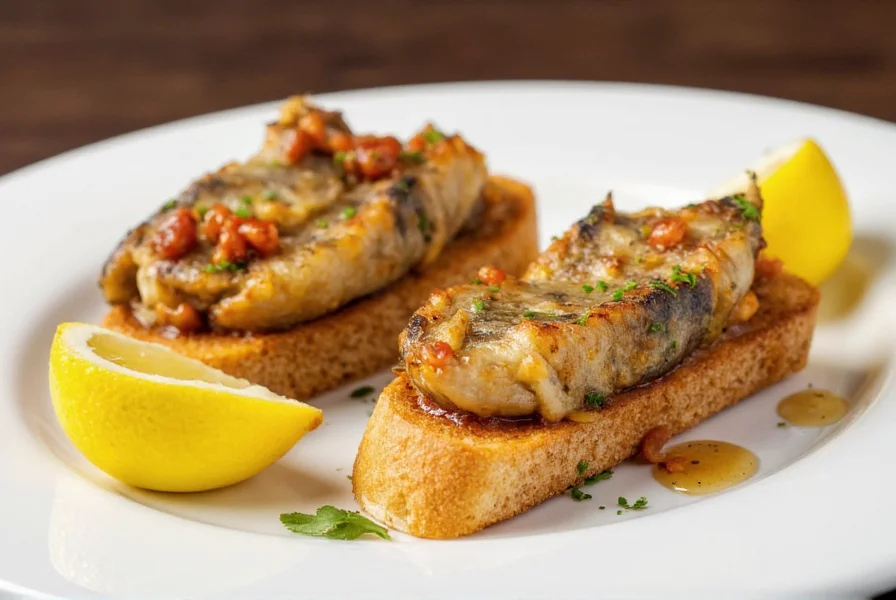
- Appetizers: Serve on crostini with lemon zest and fresh herbs
- Salads: Add to green salads or grain bowls for protein boost
- Pasta dishes: Incorporate into tomato-based sauces for depth of flavor
- Breakfast: Pair with avocado toast or scrambled eggs
- Tapas: Serve with crusty bread and olives for a Spanish-inspired spread
When developing Sea Tales sardines with chili recipe ideas, consider balancing the mild heat with cooling elements like yogurt, avocado, or cucumber. The product works particularly well in Mediterranean and Asian fusion dishes where chili heat commonly features in flavor profiles.
Optimal Use Cases and Limitations
While Sea Tales Sardines with Chili offer versatile culinary potential, understanding their ideal applications and constraints enhances user experience:
- Recommended for: Quick protein additions to salads, grain bowls, or sandwiches; Mediterranean-style tapas; and as a nutrient-dense snack. The mild heat level makes them suitable for most adults and children over age 2, aligning with FDA recommendations for low-mercury fish consumption (FDA Advice about Eating Fish).
- Not recommended for: Individuals with known fish allergies or histamine intolerance. The U.S. Food and Drug Administration notes that histamine levels in canned fish, while regulated to safe limits (action level of 50 ppm), may trigger reactions in sensitive individuals (Fish and Fisheries Products Hazards and Control Guidance).
- Cooking limitations: Avoid prolonged high-heat cooking (above 375°F/190°C) which can degrade the delicate texture and cause excessive oil separation. The chili flavor intensifies with extended cooking, potentially overwhelming the dish.
Product Comparison and Value Assessment
When comparing Sea Tales sardines with chili vs other brands, several factors distinguish this product:
- Ingredient simplicity: Contains only four ingredients versus competitors with longer additive lists
- Sustainable sourcing: Certified by third-party organizations for responsible fishing practices
- Texture quality: Maintains better structural integrity than many mass-market alternatives
- Flavor balance: Chili heat enhances rather than masks the fish flavor
The price point typically ranges from $3.50-$4.50 per can, positioning Sea Tales in the premium segment of the canned sardine market. While slightly more expensive than economy brands, the quality justification becomes apparent upon tasting and comparing nutritional profiles.
Availability and Purchasing Options
Consumers searching for where to buy Sea Tales sardines with chili will find them increasingly available through multiple channels. Major grocery chains like Whole Foods, Wegmans, and Kroger typically stock this product in their canned seafood sections. Online availability spans Amazon, Thrive Market, and the brand's direct website.
When purchasing, check the production date on the bottom of the can for maximum freshness. Some retailers offer multi-pack options that provide better value per can for regular consumers. Specialty food stores focusing on Mediterranean or Portuguese cuisine often carry Sea Tales products due to the cultural significance of sardines in those regions.




 浙公网安备
33010002000092号
浙公网安备
33010002000092号 浙B2-20120091-4