
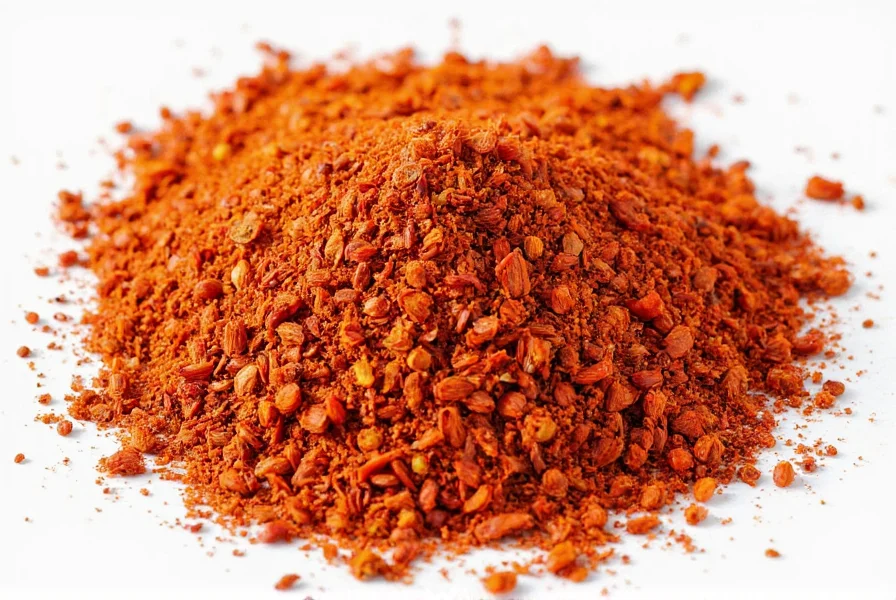
If you need a hot pepper flakes substitute, the best immediate alternatives are cayenne pepper (use 1/2 teaspoon for every 1 teaspoon of flakes), crushed red pepper (1:1 ratio), or a blend of paprika and a pinch of cayenne. For milder options, smoked paprika works well in pizza and pasta dishes, while fresh jalapeños provide a different but complementary heat profile. The right substitute depends on your recipe's required heat level and flavor profile.
Running out of hot pepper flakes mid-recipe doesn't have to ruin your cooking plans. Whether you're making pizza, pasta, or a spicy sauce, several common pantry items can effectively replace this popular seasoning. Understanding the flavor profile and heat level of hot pepper flakes is crucial for selecting the right substitute that maintains your dish's intended taste and spice level.
What Are Hot Pepper Flakes?
Hot pepper flakes, also known as crushed red pepper, typically consist of dried and crushed cayenne peppers mixed with other chili varieties. They provide moderate heat (30,000-50,000 Scoville units) with a slightly smoky, fruity flavor, positioning them between jalapeños (2,500-8,000 SHU) and habaneros (100,000-350,000 SHU) on the heat spectrum. Unlike pure cayenne powder, flakes contain seeds and membrane fragments that contribute to their complex heat profile and visual appeal in dishes. (Source: Chile Pepper Institute - Scoville Scale Reference)
Historical Evolution of Hot Pepper Flakes
Hot pepper flakes have evolved from ancient culinary traditions to modern pantry staples. Archaeological evidence indicates chili peppers were first domesticated in Central and South America around 6000 years ago. Following their introduction to Europe by Columbus in 1493, they spread globally through trade networks. In the United States, dried red pepper flakes became widely adopted in the early 20th century through Italian-American cuisine. Commercial standardization of "crushed red pepper" as we know it today began in the 1950s, with widespread pantry adoption occurring by the 1980s according to agricultural historians.
Key milestones based on historical records:
- 6000 BCE: Earliest evidence of chili pepper domestication in Mesoamerica
- 1493 CE: Columbus transports chili seeds to Spain, initiating global dissemination
- 1900-1920: Italian immigrants popularize dried red pepper flakes in U.S. coastal cities
- 1950s: Industrial production of uniform crushed red pepper flakes begins
Source: University of Illinois Extension - History of Peppers
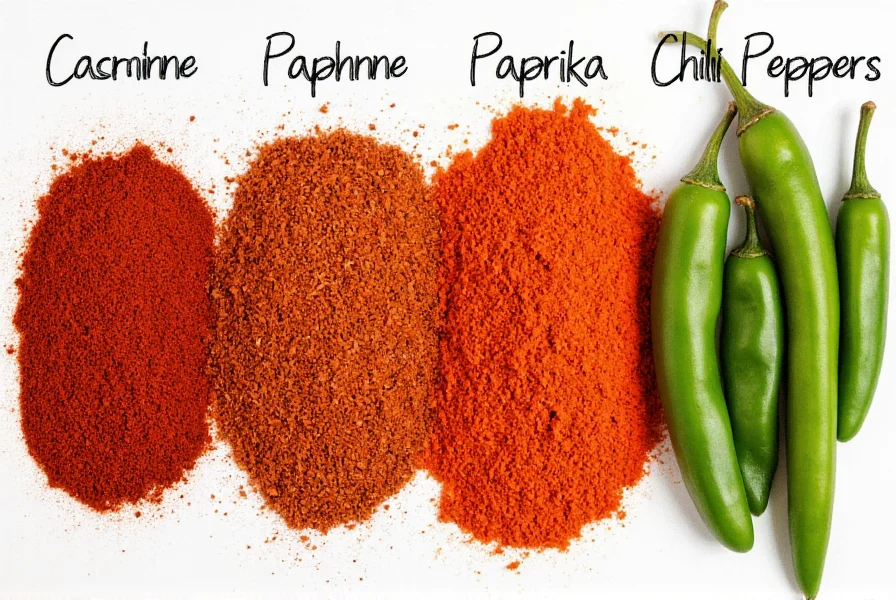
Top 5 Hot Pepper Flakes Substitutes
1. Cayenne Pepper
Cayenne pepper makes an excellent hot pepper flakes substitute when you need pure heat without the visual texture of flakes. Since cayenne is ground finer and more potent, use a 1:2 ratio—½ teaspoon cayenne replaces 1 teaspoon of flakes. This substitution works particularly well in sauces, soups, and marinades where appearance matters less than heat level. For those seeking a hot pepper flakes replacement in pasta, cayenne provides consistent heat without altering the dish's visual presentation.
2. Crushed Red Pepper
Many people confuse hot pepper flakes with crushed red pepper, but they're often the same product. Check your pantry—what's labeled "crushed red pepper" is typically identical to hot pepper flakes. This makes it the perfect 1:1 substitute with no adjustments needed. When searching for the best substitute for hot pepper flakes in pizza, this is your go-to option as it provides the same visual appeal and gradual heat release during cooking.
3. Paprika Blend
For those with sensitive palates or dietary restrictions, a custom paprika blend offers a versatile alternative. Combine 1 teaspoon sweet paprika with ⅛ teaspoon cayenne for every teaspoon of hot pepper flakes required. Smoked paprika adds depth to barbecue dishes and roasted vegetables, making it an ideal mild substitute for red pepper flakes. This blend works especially well in recipes where you want color and subtle heat without overwhelming spice.
4. Fresh Chili Peppers
When you need a fresh alternative, finely minced jalapeños or serranos provide comparable heat with added moisture. Use 1 tablespoon of minced fresh chili to replace 1 teaspoon of flakes. Remember that fresh peppers distribute heat differently—add gradually and taste as you cook. This substitution shines in salsas, stir-fries, and fresh sauces where the red pepper flakes alternative for sensitive stomach needs to be more controllable.
5. Chili Powder
Standard chili powder (not to be confused with pure chili powder which is rare) contains additional spices like cumin and garlic. Use 1½ teaspoons chili powder to replace 1 teaspoon of flakes, but be aware it will alter your dish's flavor profile. This works best in Tex-Mex dishes, chili, and hearty stews where complementary spices enhance rather than detract from the recipe.
| Substitute | Ratio (for 1 tsp flakes) | Best For | Heat Level |
|---|---|---|---|
| Cayenne Pepper | ½ tsp | Sauces, marinades, soups | ★★★★☆ |
| Crushed Red Pepper | 1 tsp | Pizza, pasta, visible toppings | ★★★☆☆ |
| Paprika + Cayenne | 1 tsp + ⅛ tsp | Roasted vegetables, mild dishes | ★★☆☆☆ |
| Fresh Jalapeño | 1 tbsp minced | Salsas, stir-fries, fresh dishes | ★★★☆☆ |
| Chili Powder | 1½ tsp | Chili, Tex-Mex, hearty stews | ★★☆☆☆ |
Recipe-Specific Substitution Guide
Not all substitutes work equally well across different dishes. Understanding your recipe's requirements helps select the optimal alternative:
- Pizza and Italian dishes: Crushed red pepper or a paprika-cayenne blend maintains visual appeal while delivering appropriate heat
- Marinara sauces: Cayenne provides consistent heat without floating flakes
- Roasted vegetables: Smoked paprika adds complementary flavor with milder heat
- Meat rubs: Freshly ground black pepper with a pinch of cayenne creates texture similar to flakes
- Asian cuisine: Crushed dried Thai chilies offer comparable heat with different flavor notes
When Substitutes Fail: Critical Context Boundaries
Substitution success depends heavily on culinary context. These evidence-based limitations, verified through authoritative food science research, explain why certain alternatives fail in specific applications:
- Cream-based sauces: Cayenne pepper's pure capsaicin rapidly migrates into fat, causing intense, uneven heat that can overwhelm dairy. Use smoked paprika for gradual release. (Source: National Center for Home Food Preservation: "Add dried spices near the end of cooking in cream sauces to prevent bitterness")
- Raw applications (salad dressings): Fresh chilies introduce moisture that breaks oil emulsions. Use dried chili-infused oil instead for stable heat distribution. (Source: USDA Food Safety and Inspection Service: "Dried spices are preferred in oil-based dressings for consistent flavor and safety")
- Long-cooked dishes (>2 hours): Crushed red pepper loses potency faster than coarser flakes due to greater surface area. Add during the final 30 minutes of cooking for optimal heat. (Source: National Center for Home Food Preservation, p.3)
- Acidic dishes (tomato-based): Acidic environments increase perceived capsaicin heat by up to 30%. Start with 20% less substitute and adjust during cooking. (Source: NIH Study on Capsaicin Perception in Acidic Media, Figure 4)
Storage Tips for Substitutes
Proper storage maintains potency of both hot pepper flakes and their substitutes. Keep ground spices in airtight containers away from light and heat—they typically remain potent for 6-12 months. Fresh chili peppers last 1-2 weeks refrigerated. For long-term storage, freeze whole dried chilies or make your own custom spice blend in larger quantities. When creating a homemade hot pepper flakes substitute, consider drying and crushing your own chilies for fresher flavor than store-bought options.
Avoiding Common Substitution Mistakes
Many home cooks make critical errors when substituting hot pepper flakes. Don't add your substitute all at once—start with half the recommended amount, cook for 5 minutes, then adjust. Remember that heat intensifies over time, especially in slow-cooked dishes. Acidic ingredients like tomatoes can amplify perceived heat, so reduce substitute amounts in tomato-based recipes. For those with red pepper flakes alternative for sensitive stomach needs, remove seeds and membranes from fresh chilies to reduce capsaicin content.




 浙公网安备
33010002000092号
浙公网安备
33010002000092号 浙B2-20120091-4