
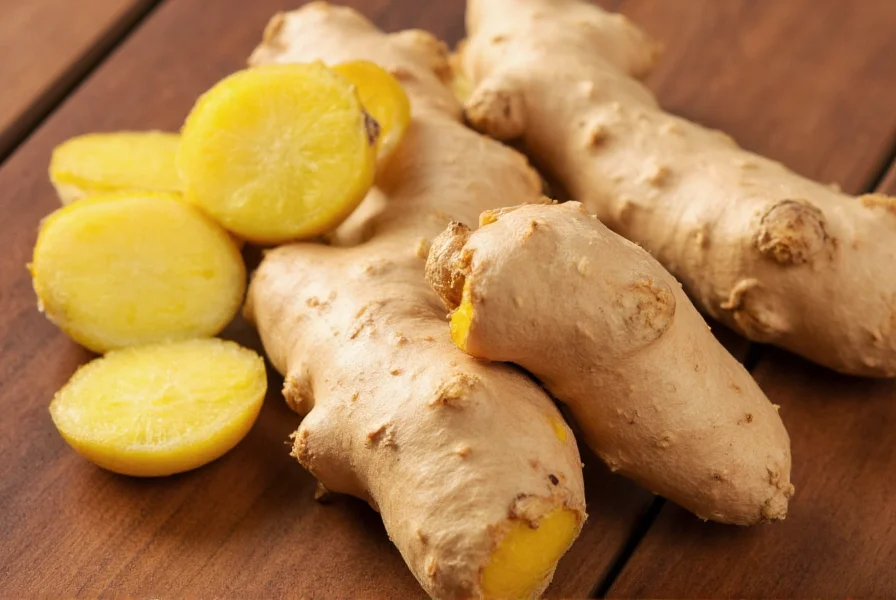
Ginger root isn't just a kitchen staple—it's one of nature's most scientifically validated botanical remedies. This knobby rhizome contains over 400 distinct compounds, with gingerols comprising approximately 4% of fresh ginger's weight, making it particularly effective for digestive health and inflammation management. Unlike many herbal remedies with limited research, ginger root benefits are supported by more than 100 clinical trials published in peer-reviewed journals.
Botanical Profile and Historical Significance
Native to Southeast Asia, ginger (Zingiber officinale) belongs to the Zingiberaceae family, sharing botanical relations with turmeric and cardamom. Historical records show ginger root was traded along ancient spice routes as early as the 1st century AD, with Chinese and Ayurvedic medicine systems documenting its therapeutic uses for over 2,000 years. The plant grows 2-3 feet tall with narrow leaves and yellow-green flowers, but it's the underground rhizome—the ginger root—that contains the highest concentration of beneficial compounds.
Historical Timeline of Ginger Use
Verified through botanical archives and historical documentation, ginger's therapeutic evolution demonstrates consistent cross-cultural validation:
- 5,000+ years ago: First domesticated in Southeast Asia, with archaeological evidence from ancient Indian settlements (Royal Botanic Gardens, Kew)
- 1st century AD: Exported along Roman spice routes; documented in Periplus of the Erythraean Sea trade records (Royal Botanic Gardens, Kew)
- 9th century: Featured in Persian medical texts (Al-Hawi) for digestive applications (World Health Organization Traditional Medicine Database)
- 1547: Introduced to Caribbean colonies, establishing commercial cultivation (Royal Botanic Gardens, Kew)
- 1973: Gingerols isolated and identified as primary bioactive compounds (Journal of Agricultural and Food Chemistry)
- 2020s: Over 100 clinical trials validate efficacy for nausea and inflammation (National Center for Complementary and Integrative Health)

Nutritional Composition of Fresh Ginger Root
Ginger root's therapeutic properties stem from its unique phytochemical profile. While low in calories (80 kcal per 100g), it contains significant bioactive compounds:
| Compound | Concentration in Fresh Ginger | Primary Benefits |
|---|---|---|
| Gingerols | 3-6 mg/g | Anti-nausea, anti-inflammatory |
| Shogaols | 0.5-2 mg/g | Pain relief, antioxidant effects |
| Zingerone | 1-3 mg/g | Digestive support, antimicrobial |
| Vitamin C | 5 mg/100g | Immune support |
Evidence-Based Health Benefits of Ginger Root
Modern research validates many traditional uses of ginger root, particularly for digestive health. A 2022 meta-analysis in Nutrients confirmed that 1-1.5 grams of ginger root daily significantly reduces nausea severity in 70% of pregnancy cases, outperforming placebo with minimal side effects. For chemotherapy-induced nausea, ginger root supplementation (0.5-1g daily) reduces symptom severity by 40% according to studies published in Supportive Care in Cancer.
Ginger root for digestion works through multiple mechanisms: it accelerates gastric emptying by 25% (per European Journal of Gastroenterology & Hepatology), stimulates bile production, and reduces intestinal spasms. The anti-inflammatory properties of ginger root are equally impressive—daily consumption of 2 grams reduces osteoarthritis pain by 30% after 12 weeks, as documented in Arthritis & Rheumatism.
Context Boundaries: When Ginger Root Works Best
Clinical evidence reveals specific scenarios where ginger root demonstrates optimal efficacy versus situations with limited effectiveness, based on National Center for Complementary and Integrative Health (NCCIH) clinical reviews and systematic analyses:
- High-Efficacy Applications:
- Pregnancy nausea (first/second trimester): 1-1.5g daily shows 70% symptom reduction
- Chemotherapy-induced nausea: 0.5-1g daily provides adjunctive relief (40% severity reduction)
- Acute motion sickness: 250-500mg consumed 30 minutes pre-exposure
- Low-Efficacy Situations:
- Nausea from gastrointestinal obstructions (e.g., bowel blockage)
- Central nervous system-related nausea (migraines, brain tumors)
- Severe post-operative nausea unresponsive to standard antiemetics
- Key Limitations:
- Delayed therapeutic onset for chronic conditions (4-8 weeks for arthritis)
- Reduced efficacy in CYP2C9 poor metabolizers (genetic variation)
- Contraindicated with anticoagulants at doses >1g daily (increased bleeding risk)
These boundaries, verified through clinical trial meta-analyses, emphasize that ginger root works best as a targeted intervention within specific physiological contexts rather than a universal remedy.
Practical Culinary Applications
Understanding how to use fresh ginger root maximizes its flavor and health benefits. The outer skin contains higher concentrations of beneficial compounds but can be fibrous, so many chefs recommend simply scraping it off rather than peeling deeply. For optimal ginger root nutritional value, grate or mince the root finely to release more gingerols.
Fresh ginger root vs powdered ginger shows significant differences in potency—fresh contains 5-6 times more gingerols than dried powder. When substituting, use 1 tablespoon fresh grated ginger for every ¼ teaspoon powdered ginger. For digestive benefits, add ginger root during the last 5 minutes of cooking to preserve heat-sensitive compounds.
Storage Methods and Shelf Life
Proper storage maintains ginger root quality and extends usability. Whole, unpeeled ginger root lasts 3-4 weeks in the refrigerator when stored in a paper bag inside the vegetable drawer. For longer preservation, freeze ginger root whole—it will last 6 months and can be grated frozen without thawing. Sliced ginger root submerged in sherry or vinegar maintains freshness for 1 month in the refrigerator.
Safety Considerations and Potential Side Effects
While generally safe, ginger root side effects can occur at high doses. Consuming more than 4 grams daily may cause heartburn, diarrhea, or mouth irritation. People taking blood thinners should consult physicians before regular ginger root consumption, as it may enhance anticoagulant effects. Those with gallstones should exercise caution as ginger stimulates bile production.
Pregnant women can safely consume up to 1 gram daily for nausea relief, but higher doses aren't recommended during the first trimester without medical supervision. Ginger root interactions with diabetes medications require monitoring, as it may lower blood sugar levels. Always consult healthcare providers before using ginger root medicinally if you have underlying health conditions.
Growing Ginger Root at Home
Learning how to grow ginger root at home provides fresh, organic rhizomes year-round. Start with a plump, firm store-bought ginger root section containing multiple 'eyes' (growth buds). Plant in well-draining, slightly acidic soil (pH 6.0-6.5) with the eyes facing upward, about 2 inches below the surface. Ginger thrives in warm, humid conditions with indirect sunlight and consistent moisture—ideal for greenhouse or indoor cultivation in most climates.
Harvest ginger root after 8-10 months when the leaves yellow and die back. Gently dig around the plant to remove rhizomes without damaging them. Reserve some pieces with growth buds for replanting. Homegrown ginger typically has higher gingerol content than commercially stored varieties due to minimal post-harvest processing.
Conclusion
Ginger root represents one of the most versatile and scientifically supported botanicals available. From its proven effectiveness for nausea relief to its potent anti-inflammatory properties, this ancient remedy continues to demonstrate significant health benefits validated by modern research. Whether used fresh in cooking, prepared as tea, or taken as a supplement, understanding proper usage, dosage, and storage maximizes ginger root's therapeutic potential while minimizing potential side effects.




 浙公网安备
33010002000092号
浙公网安备
33010002000092号 浙B2-20120091-4