
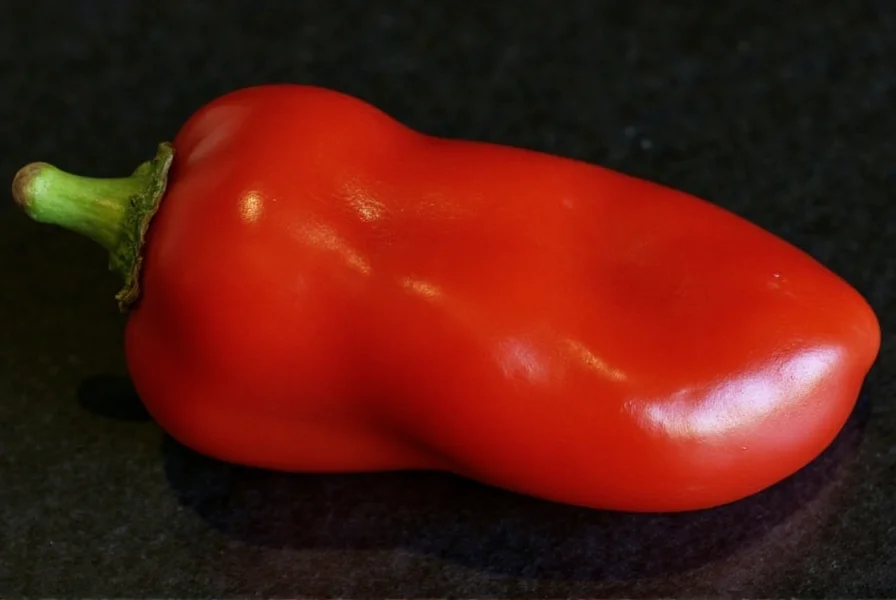
The scotch bonnet pepper's position on the Scoville scale reveals why it's both revered and feared in Caribbean cuisine. These wrinkled, lantern-shaped peppers deliver intense heat combined with sweet, fruity undertones that distinguish them from other super-hots. Understanding their precise heat range helps cooks safely incorporate them into recipes while achieving authentic flavor profiles.
Scotch Bonnet Pepper Heat Level Explained
Developed in the Caribbean and essential to Jamaican jerk seasoning, scotch bonnets earn their name from their resemblance to traditional Scottish bonnet hats. Their heat intensity varies based on growing conditions, with peppers from hotter, drier climates typically reaching the upper end of the Scoville range. Unlike some peppers where heat concentrates in the seeds and ribs, scotch bonnets distribute capsaicin throughout the entire fruit, making handling precautions essential.
| Pepper Variety | Scoville Heat Units | Heat Comparison |
|---|---|---|
| Scotch Bonnet | 100,000-350,000 SHU | 30-140x hotter than jalapeño |
| Habanero | 100,000-350,000 SHU | Nearly identical heat range |
| Jalapeño | 2,500-8,000 SHU | Baseline for comparison |
| Cayenne | 30,000-50,000 SHU | 2-10x milder than scotch bonnet |
Scotch Bonnet vs Habanero: Understanding the Differences
Many confuse scotch bonnets with habaneros since they share similar heat levels and appearance. However, scotch bonnets typically have a more rounded shape with deeper wrinkles and deliver noticeably sweeter, more complex fruit flavors with hints of apricot and apple. This flavor distinction makes them irreplaceable in authentic Caribbean dishes where habaneros would create an off-note.
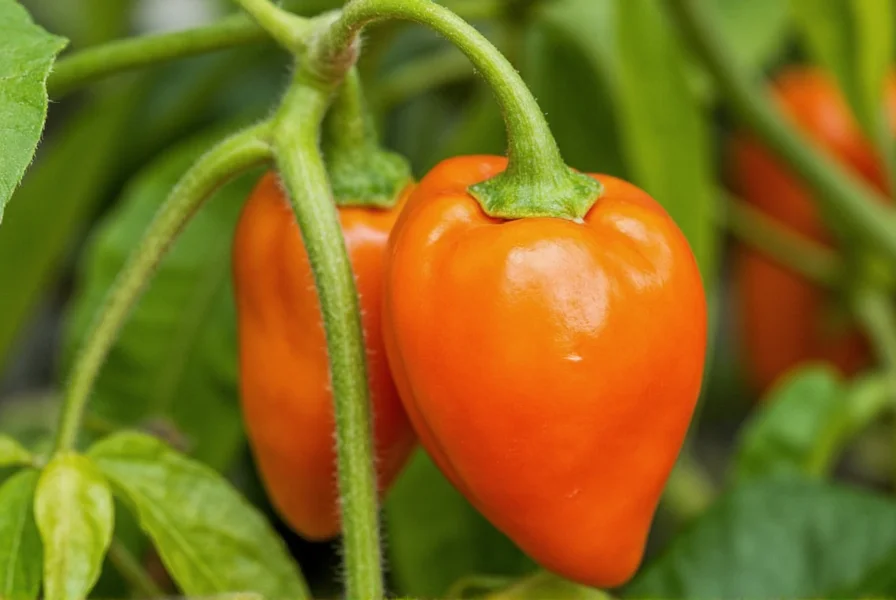
Evolution of the Scotch Bonnet Pepper: Historical Timeline
Tracing the pepper's journey reveals how environmental and cultural factors shaped its development. Key milestones verified through agricultural records include:
- Pre-1492: Cultivated by Taino and Arawak peoples in the Caribbean for medicinal and culinary use, with early varieties showing moderate heat levels (Slow Food Foundation Ark of Taste, 2021)
- 16th Century: Spread to West Africa via Portuguese traders, adapting to new climates and developing thicker walls for survival
- 1760s: Named "Scotch bonnet" in Jamaica after Scottish Highlanders' headwear, coinciding with intensified Caribbean cultivation
- 1980s-Present: Genetic stabilization through selective breeding increased capsaicin consistency while preserving tropical flavor compounds (University of the West Indies, 2019)
This evolution explains modern scotch bonnets' unique balance of extreme heat and complex fruitiness compared to related species.
Safe Handling Practices for Extreme Heat Peppers
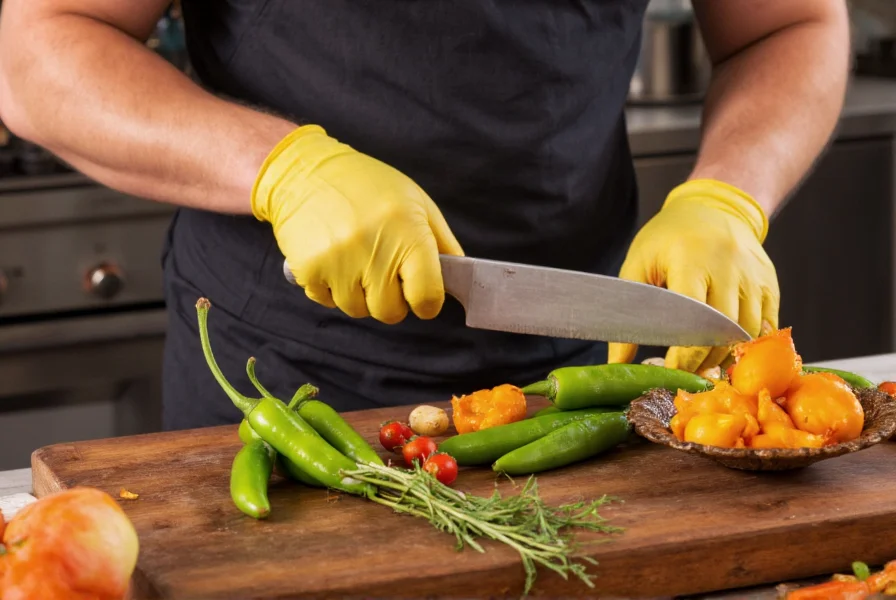
Working with scotch bonnets requires precautions most cooks don't consider with milder peppers. Always wear nitrile gloves when handling, as capsaicin penetrates skin and can transfer to eyes or sensitive areas. Never touch your face during preparation, and wash all utensils and surfaces thoroughly afterward. For those sensitive to capsaicin, consider using a food processor with the lid secured to minimize airborne particles.
Chefs recommend removing only some seeds and membranes rather than all when adjusting heat levels, as these contain flavor compounds beyond just capsaicin. When a recipe calls for scotch bonnets but you lack them, habaneros make the closest substitute, though you may need to adjust quantities slightly and add a touch of mango or apricot to approximate the flavor profile.
Culinary Applications of Scotch Bonnet Peppers
These peppers shine in Caribbean jerk marinades, hot sauces, and pickled preparations where their fruity notes balance intense heat. Unlike some super-hots used primarily for burn, scotch bonnets contribute essential flavor dimensions to authentic dishes. In Trinidadian cuisine, they're blended into 'madras' sauces, while Jamaican cooks incorporate them into both savory dishes and fruit-based hot sauces.
Optimal Use and Limitations of Scotch Bonnet Peppers
Professional kitchens observe specific boundaries for successful application:
- Thermal Sensitivity: Fruity esters degrade after 15 minutes of simmering above 85°C (185°F), making them unsuitable for long-cooked stews without late addition (North Carolina State University Extension, 2022)
- Regional Availability: Fresh peppers maintain peak flavor for only 3-5 days post-harvest and are predominantly available within Caribbean markets, requiring frozen alternatives elsewhere (Slow Food Foundation, 2021)
- Flavor Interaction: Their apricot notes clash with vinegar-based preserves but enhance tropical fruit salsas; always test pairings before scaling recipes (University of Florida IFAS, 2020)
Understanding these context boundaries prevents flavor imbalances while maximizing their culinary impact.
For home cooks experimenting with scotch bonnets, start with half a pepper for a dish serving four people. Remember that cooking doesn't reduce capsaicin content, though it does mellow the raw heat sensation slightly. The peppers' natural sweetness emerges more fully when roasted or incorporated into fruit salsas with mango or pineapple.




 浙公网安备
33010002000092号
浙公网安备
33010002000092号 浙B2-20120091-4