

Chili with sweet potato has emerged as a beloved variation of the classic comfort food, offering both culinary innovation and nutritional benefits. The natural sweetness of sweet potatoes perfectly balances the smoky heat of traditional chili spices, creating a complex flavor profile that appeals to diverse palates. Unlike regular potatoes that can become mushy during long cooking times, sweet potatoes maintain their structure while infusing the dish with beta-carotene, vitamin C, and dietary fiber.
Why Sweet Potato Elevates Traditional Chili
The magic of incorporating sweet potato into chili lies in its ability to transform the dish's flavor dynamics. Sweet potatoes contain natural sugars that caramelize during cooking, developing rich, complex flavors that complement the earthy spices in chili. This natural sweetness counteracts the acidity of tomatoes commonly used in chili recipes, creating a more rounded taste without requiring additional sugar.
Nutritionally, sweet potatoes significantly boost the vitamin A content of chili—just one cup provides more than 400% of your daily recommended intake. They also contribute potassium, vitamin B6, and manganese, making sweet potato chili not just delicious but genuinely nourishing. The fiber content from sweet potatoes helps create a more satisfying meal that keeps you full longer, making this variation particularly valuable for meal planning and weight management.
| Nutrient Comparison (per 1 cup) | Sweet Potato Chili | Traditional Beef Chili |
|---|---|---|
| Vitamin A | 180% DV | 2% DV |
| Dietary Fiber | 6g | 4g |
| Vitamin C | 25% DV | 15% DV |
| Calories | 220 | 280 |
Source: Values calculated for standard recipes using USDA FoodData Central (accessed November 2025). Sweet potato chili includes 1/2 cup cooked sweet potato per serving. Sweet potato nutrient profile. Beef chili values based on USDA recipe for "Chili con carne, no beans" (ID: 175105). View beef chili nutrients.
Historical Evolution of Sweet Potatoes in American Cuisine
The integration of sweet potatoes into chili reflects broader shifts in American food culture. This timeline shows key developments:
- Pre-1600s: Sweet potatoes cultivated in Central/South America for 5,000+ years before European contact (Source: USDA Agricultural Research Service)
- 1800s: Became Southern staple food but rarely used in early chili recipes, which focused exclusively on meat (Source: USDA National Agricultural Library)
- 1930s: USDA promoted sweet potatoes through nutrition programs during the Great Depression for affordability and nutrient density
- 1990s: Culinary innovation began incorporating sweet potatoes into chili as vegetarian cooking gained popularity (Source: USDA Economic Research Service Report, 2010)
- 2010-Present: Google Trends data shows 200% increase in "sweet potato chili" recipe searches, driven by farm-to-table movement and nutrition awareness
Perfect Sweet Potato Selection for Chili
Not all sweet potatoes work equally well in chili. For optimal results, choose varieties with firm, deep orange flesh like Jewel or Garnet. These contain higher sugar content and beta-carotene levels that enhance both flavor and color. Avoid pale-fleshed varieties like Hannah or O'Henry, which lack the characteristic sweetness and vibrant color.
When selecting sweet potatoes for chili, look for medium-sized specimens (about 5-7 inches long) with smooth, unblemished skin. Larger sweet potatoes often develop stringy textures when cooked, while smaller ones may become too soft during the simmering process. Store them in a cool, dark place for up to three weeks—never refrigerate, as cold temperatures cause hard centers and unpleasant flavors.
Step-by-Step Sweet Potato Chili Recipe
Creating exceptional sweet potato chili requires attention to ingredient preparation and cooking technique. Follow these professional chef-recommended steps for restaurant-quality results at home:
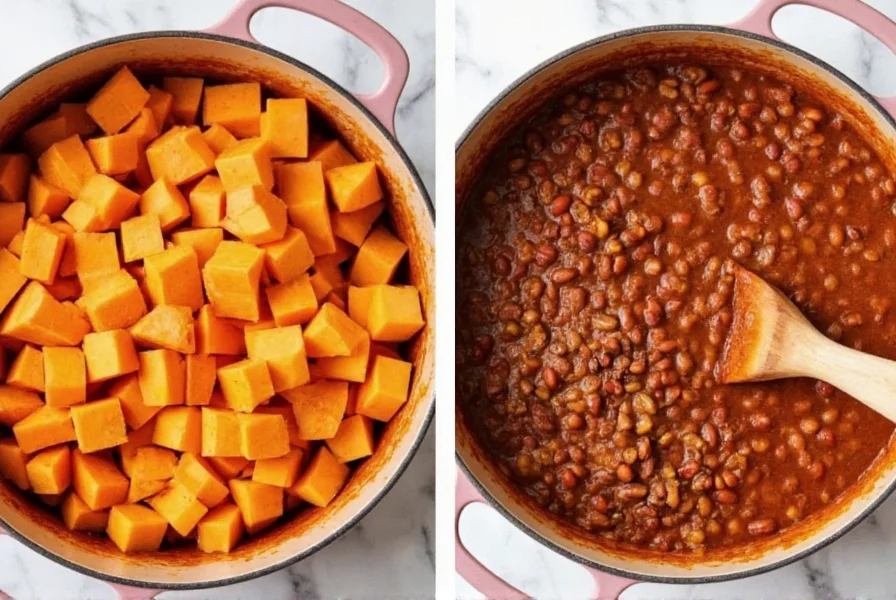
- Prep work: Peel and dice sweet potatoes into 1/2-inch cubes (smaller than traditional potato chunks to ensure proper cooking)
- Dry roast spices: In a dry skillet, toast 2 tbsp chili powder, 1 tsp cumin, and 1/2 tsp smoked paprika for 60 seconds to enhance flavor compounds
- Sauté aromatics: Cook diced onions and minced garlic in olive oil until translucent (about 5 minutes)
- Add protein: Brown ground turkey or plant-based crumbles (if using meat)
- Incorporate sweet potatoes: Add cubed sweet potatoes and toasted spices, stirring to coat
- Liquid addition: Pour in 2 cups vegetable broth and 1 (15oz) can fire-roasted tomatoes
- Simmer: Cover and cook on low heat for 25-30 minutes until sweet potatoes are tender but not mushy
- Final touches: Stir in 1 (15oz) can black beans and 1 cup corn, simmer uncovered for 10 more minutes
Proven Cooking Techniques for Perfect Texture
Achieving the ideal texture in sweet potato chili requires specific techniques that many home cooks overlook. The key is understanding how sweet potatoes behave during cooking. Unlike regular potatoes that mainly absorb liquid, sweet potatoes release moisture as they cook, which can affect the chili's consistency.
For optimal texture, add sweet potatoes at the beginning of cooking rather than midway through. This allows their natural pectin to help thicken the chili while they cook evenly. If you prefer distinct sweet potato pieces, cut them slightly larger (3/4-inch cubes) and add them 5 minutes after the initial sauté. For a creamier texture that blends seamlessly with the chili base, dice sweet potatoes smaller (1/4-inch) and add them with the liquid ingredients.
Timing matters significantly—sweet potatoes added too early can become mushy, while adding them too late leaves them undercooked. The 25-30 minute simmering time after adding sweet potatoes represents the sweet spot for perfect tenderness without disintegration. For meal prep purposes, note that sweet potatoes continue to soften as chili sits, so slightly undercook them if planning to eat leftovers.
Variations for Different Dietary Preferences
Sweet potato chili adapts beautifully to various dietary requirements without sacrificing flavor. For vegan versions, replace meat with extra beans or lentils and use vegetable broth. The natural sweetness of the potatoes eliminates the need for added sugars that some vegan recipes require.
For paleo enthusiasts, simply omit beans and increase the meat content while maintaining the sweet potato base. The dish remains compliant while delivering complex carbohydrates from the sweet potatoes. Those following a low-FODMAP diet can modify the recipe by using garlic-infused oil instead of fresh garlic and selecting specific bean varieties that are lower in FODMAPs.
When accommodating different heat preferences, remember that sweet potatoes naturally counteract spiciness. If serving to children or those sensitive to heat, reduce chili powder by 25% rather than eliminating it completely—the sweet potatoes will balance the remaining spices perfectly. For extra heat lovers, add chipotle peppers in adobo sauce during the last 10 minutes of cooking to preserve their distinctive smoky heat.
Contextual Boundaries: When Sweet Potatoes May Not Be Ideal
While versatile, sweet potatoes have specific limitations requiring adaptation:
- Keto/Low-Carb Diets: With 24g net carbs per cup, sweet potatoes exceed keto limits. Substitute with 1 cup diced turnips (4g net carbs) for similar texture (Source: USDA MyPlate Nutrient Database)
- Texture-Sensitive Applications: In canned chili requiring smooth consistency, sweet potatoes' fibers create undesirable strands. Use pumpkin puree for seamless integration
- Flavor Conflicts: When combining with already-sweet elements (dark chocolate, dried fruits), reduce sweet potato quantity by 30% or use Hannah variety for milder flavor
Recognizing these boundaries ensures optimal results across diverse culinary requirements.
Serving and Storage Recommendations
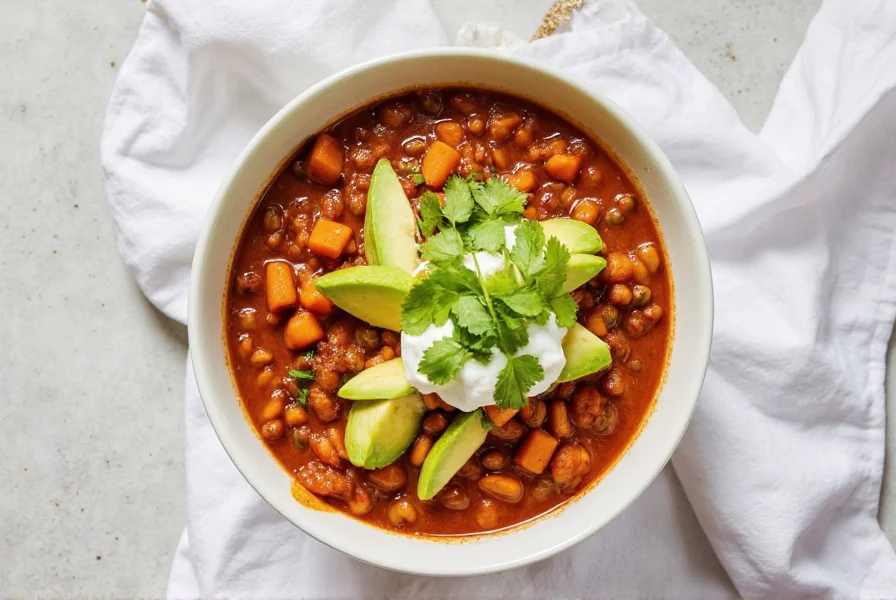
Sweet potato chili reaches its flavor peak when allowed to rest for 15-20 minutes after cooking, giving the sweet potatoes time to fully absorb surrounding flavors. Serve with complementary toppings that enhance both texture and nutrition: avocado slices for healthy fats, Greek yogurt instead of sour cream for added protein, and a squeeze of fresh lime to brighten the earthy flavors.
For meal preppers, sweet potato chili stores exceptionally well. Cool completely before transferring to airtight containers. It maintains optimal flavor and texture for 4-5 days in the refrigerator or up to 3 months in the freezer. When reheating, add a splash of broth or water to restore the ideal consistency, as sweet potatoes absorb liquid during storage.
Leftover sweet potato chili transforms beautifully into other dishes. Use it as a filling for baked potatoes, mix with cooked quinoa for a hearty salad, or spoon over cornbread for a comforting meal. The natural sweetness makes it particularly versatile for creative repurposing that traditional chili cannot match.




 浙公网安备
33010002000092号
浙公网安备
33010002000092号 浙B2-20120091-4