
Sazon Goya has become a staple in Latin American kitchens and beyond, transforming ordinary dishes into authentic culinary experiences. Understanding this seasoning blend goes beyond simply identifying its ingredients—it connects to cultural traditions and cooking techniques passed down through generations.
Understanding Sazon Goya's Flavor Profile and Ingredients
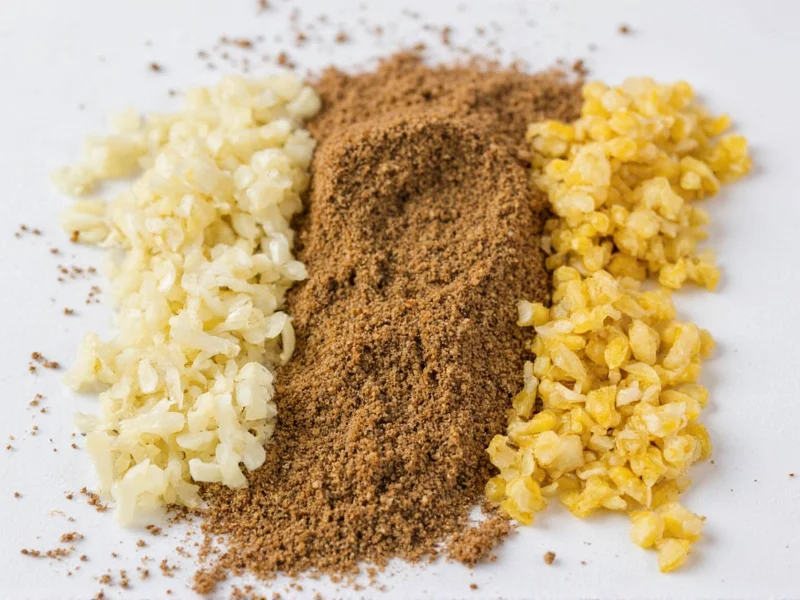
The distinctive taste of Sazon Goya comes from its carefully balanced blend of spices. The achiote (annatto) provides both color and earthy notes, while garlic and cumin deliver savory depth. Coriander adds a subtle citrus undertone that complements the other ingredients. The inclusion of MSG enhances umami flavors, making dishes taste more savory and satisfying—a characteristic that has contributed to Sazon Goya's widespread popularity.
It's worth noting that Goya offers several variations of Sazon to accommodate different dietary preferences:
| Variation | Key Differences | Best Uses |
|---|---|---|
| Traditional Sazon | Contains MSG | General cooking, rice dishes, stews |
| Sazon No MSG | MSG-free formula | For those avoiding MSG while maintaining flavor |
| Sazon Complete | Includes additional herbs and spices | Complex dishes requiring deeper flavor profiles |
| Colora | Achiote-focused, less seasoning | Primarily for color in rice and meats |
Cultural Significance in Latin American Cuisine
Sazon Goya seasoning represents more than just a spice blend—it embodies cultural identity across many Latin American communities. Originally developed to replicate traditional homemade achiote-based seasonings, Sazon Goya made authentic flavors accessible to home cooks everywhere. In Puerto Rico, it's nearly impossible to find a kitchen without a packet of Sazon, which is used in iconic dishes like arroz con pollo and pasteles.
The seasoning's popularity has spread beyond its cultural origins, becoming a secret weapon for chefs and home cooks seeking to add authentic Latin flavor to their cooking. Understanding sazon goya seasoning cultural background helps appreciate why it's considered indispensable in many households.
Practical Applications: How to Use Sazon Goya in Cooking
Mastering sazon goya seasoning usage requires understanding both quantity and timing. For most applications, one packet (about 1/2 teaspoon) seasons approximately two cups of rice or one pound of meat. The key to maximizing flavor is adding Sazon early in the cooking process to allow the spices to bloom and integrate with other ingredients.
When preparing rice, many cooks dissolve the seasoning in the cooking liquid before adding the rice. For meats, creating a marinade with Sazon, olive oil, and vinegar helps the flavors penetrate deeply. Understanding what is sazon goya seasoning used for in traditional recipes provides insight into its versatile applications.
Popular Dishes Featuring Sazon Goya
Certain dishes have become synonymous with Sazon Goya seasoning. These include:
- Arroz con Pollo - The seasoning gives the rice its characteristic yellow color and complements the chicken perfectly
- Pasteles - Used in both the masa and filling for authentic flavor
- Beans and Stews - Adds depth to black beans, pigeon peas, and other legume-based dishes
- Meat Marinades - Essential for pernil (roast pork) and other traditional preparations
- Seafood Dishes - Enhances the flavor of fish and shellfish without overpowering
Health Considerations and Nutritional Information
When evaluating sazon goya ingredients list, it's important to note that traditional versions contain significant sodium. A single packet typically contains about 340mg of sodium, which represents approximately 15% of the recommended daily intake. For those monitoring sodium intake, using half a packet or opting for reduced-sodium versions can help maintain flavor while managing consumption.
The presence of MSG in traditional Sazon has been the subject of debate, though scientific consensus indicates that MSG is safe for most people when consumed in normal amounts. Those with specific sensitivities may prefer the No MSG version, which maintains similar flavor through alternative seasoning blends.
Storage and Shelf Life
Proper storage significantly extends sazon goya seasoning shelf life. Keep unopened packets in a cool, dry place away from direct sunlight. Once opened, transfer any unused seasoning to an airtight container to preserve freshness. When stored properly, Sazon maintains optimal flavor for 12-18 months. Signs of deterioration include clumping, loss of vibrant color, or diminished aroma.
Substitution Options for Sazon Goya
When exploring what to use instead of sazon goya seasoning, consider these alternatives:
- Homemade Blend - Mix 2 tsp annatto powder, 1 tsp cumin, 1 tsp coriander, 1 tsp garlic powder, and 1/2 tsp salt
- Adobo with Achiote - Goya's Adobo seasoning combined with annatto oil
- Annatto Oil - Provides the color element with milder flavor
- Caldo Cubes with Achiote - Dissolved in liquid for similar flavor profile
Each substitution affects the final dish differently, so understanding sazon goya seasoning flavor profile helps select the most appropriate alternative for specific recipes.
Where to Find Authentic Sazon Goya
Sazon Goya seasoning where to buy options include most major supermarkets in the international or Hispanic foods section, Latin American grocery stores, and online retailers. When purchasing, check the packaging for the distinctive Goya logo and verify the ingredient list matches your dietary preferences. The seasoning typically comes in small foil packets (about 1/2 teaspoon each) or larger containers for frequent users.
Exploring Sazon Goya in Modern Cooking
Chefs increasingly incorporate sazon goya seasoning uses beyond traditional applications. Creative cooks use it to enhance roasted vegetables, add depth to soups, or even incorporate it into fusion dishes. The seasoning's versatility makes it valuable for anyone seeking to expand their culinary repertoire with authentic Latin flavors.
Frequently Asked Questions
Does Sazon Goya contain MSG?
The traditional Sazon Goya formula does contain MSG as one of its ingredients. However, Goya also offers a No MSG version that provides similar flavor without monosodium glutamate. Both versions maintain the characteristic color and essential spice profile that defines Sazon.
What gives Sazon Goya its distinctive color?
Achiote (annatto) is the ingredient responsible for Sazon Goya's signature yellow-orange color. This natural coloring comes from the seeds of the achiote tree and also contributes an earthy, slightly peppery flavor to dishes. The amount of achiote determines how vibrant the color will be in finished dishes.
How much Sazon Goya should I use per pound of meat?
For most applications, one standard Sazon Goya packet (approximately 1/2 teaspoon) seasons one pound of meat effectively. When creating marinades, dissolve the seasoning in olive oil or vinegar first to help the flavors penetrate the meat. For stronger flavor, you can use up to 3/4 teaspoon per pound, but be mindful of the sodium content.
Can I make my own Sazon Goya seasoning at home?
Yes, you can create a homemade version by combining 2 teaspoons annatto powder, 1 teaspoon ground cumin, 1 teaspoon ground coriander, 1 teaspoon garlic powder, and 1/2 teaspoon salt. For the MSG element (if desired), add 1/2 teaspoon monosodium glutamate. Store your homemade blend in an airtight container away from light and moisture for best results.
What's the difference between Sazon and Adobo seasoning?
Sazon contains achiote for color and has a more complex blend focused on providing both color and flavor, while Adobo is primarily a seasoning blend without the coloring element. Sazon typically includes annatto, cumin, coriander, and garlic, whereas Adobo focuses on garlic, oregano, black pepper, and olive oil. Many cooks use both seasonings together for layered flavor profiles in authentic Latin dishes.




 浙公网安备
33010002000092号
浙公网安备
33010002000092号 浙B2-20120091-4