
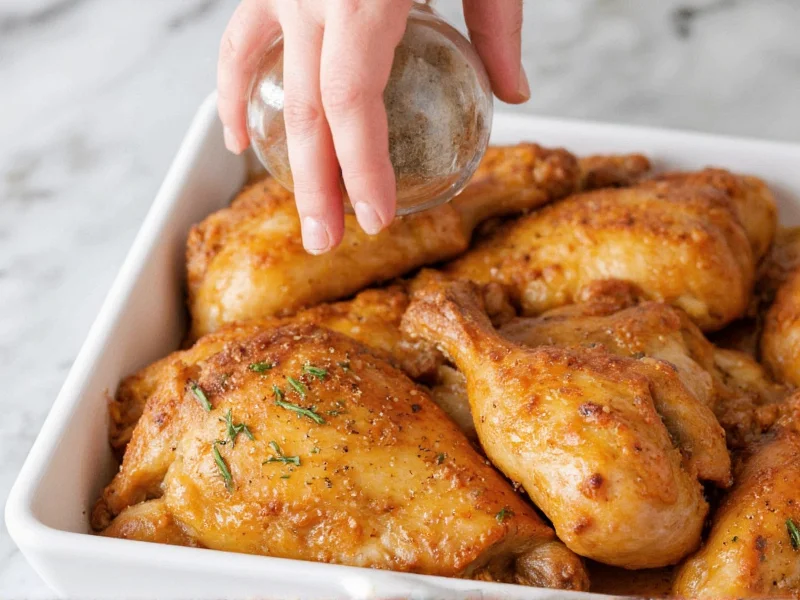
Seasoning roast chicken properly transforms an ordinary dish into an extraordinary culinary experience. While many home cooks rely on basic salt and pepper, understanding flavor chemistry and seasoning techniques can elevate your roast chicken from simple to spectacular. This guide explores the science-backed principles of seasoning chicken, tested combinations, and professional techniques that guarantee flavorful results every time.
The Science Behind Effective Chicken Seasoning
Understanding how seasonings interact with chicken helps you create balanced flavor profiles. Chicken breast contains approximately 75% water, 20% protein, and 5% fat, which affects how seasonings adhere and penetrate. Salt plays a crucial dual role: it enhances flavor perception while altering protein structures to improve moisture retention. The optimal salt concentration is approximately 1% of the chicken's weight - less than this won't sufficiently enhance flavor, while more can make the dish unpleasantly salty.
Acidic components like lemon zest or vinegar should be added during the last 30 minutes of cooking, as prolonged exposure can prematurely 'cook' the surface proteins, resulting in a tougher texture. Fat-soluble compounds in herbs like rosemary and thyme require the presence of oil to properly release their flavors, which is why combining dried herbs with olive oil creates a more potent seasoning paste.
Classic Roast Chicken Seasoning Blends
Professional chefs rely on specific ratios to create balanced seasoning profiles. The following tested blends provide consistent results:
| Blend Name | Ingredients (per 4 lb chicken) | Application Method | Rest Time |
|---|---|---|---|
| Traditional Herb Blend | 2 tsp salt, 1 tsp black pepper, 1 tsp garlic powder, 1 tsp onion powder, 1 tsp dried thyme, 1 tsp dried rosemary, 1 tsp paprika | Mix with 2 tbsp olive oil, rub under and over skin | 1-4 hours |
| Lemon-Herb Variation | Traditional blend plus 2 tbsp lemon zest, 3 minced garlic cloves | Combine with 3 tbsp olive oil, rub under skin | 2-12 hours |
| Smoky Paprika Blend | 2 tsp salt, 1 tsp black pepper, 1.5 tsp smoked paprika, 1 tsp garlic powder, 1 tsp cumin, 1/2 tsp cayenne | Mix with oil, rub over skin only | 30-60 minutes |
Advanced Seasoning Techniques for Perfect Roast Chicken
Professional kitchens employ several techniques that home cooks can easily adopt:
Dry Brining vs. Wet Brining
Dry brining (salting in advance without liquid) produces superior results for roast chicken compared to wet brining. The salt draws out moisture initially, then as it dissolves, it's reabsorbed along with the seasoning, seasoning the meat from within rather than just on the surface. For best results, apply 1% salt by weight 12-24 hours before cooking, refrigerated uncovered. This method creates crisper skin and more evenly seasoned meat than wet brining.
| Factor | Dry Brining | Wet Brining |
|---|---|---|
| Mechanism | Salt draws out juices which are reabsorbed with seasoning (USDA FSIS) | Seasoning solution penetrates via osmosis; requires liquid medium |
| Texture Outcome | Moist interior with crisp skin (optimal for roasting) | Risk of waterlogged texture if over-brined (University of Minnesota Extension) |
| Time Efficiency | Requires 12-24 hours refrigeration | Effective in 2-12 hours but requires continuous refrigeration |
| Safety Protocol | No liquid medium reduces bacterial growth risk | Must discard used brine; never reuse (USDA FSIS) |
Sources: USDA Food Safety and Inspection Service - Brining Poultry Guidelines; University of Minnesota Extension - Marinating Best Practices
Layering Flavors
Effective seasoning involves multiple application points:
- Under the skin: Place herb butter or oil-based seasoning directly on the meat for maximum flavor penetration
- On the skin: Creates a flavorful crust and helps achieve golden-brown color
- Inside the cavity: Whole aromatics like lemon halves, garlic heads, and fresh herbs infuse subtle flavors
- During cooking: Basting with pan juices incorporates rendered fat flavors
- After cooking: A final sprinkle of flaky salt enhances texture and flavor perception
Contextual Limitations of Seasoning Techniques
While these methods deliver excellent results under standard conditions, specific constraints affect their applicability. Understanding these boundaries prevents culinary failures:
- Kosher or Self-Basting Chicken: These products contain added salt solutions (typically 3-5% saline). Applying additional salt beyond 0.5% of weight risks over-salting. The USDA verifies that kosher processing involves thorough salting to remove blood (Poultry Products Explained).
- Acidic Component Timing: University of Minnesota Extension specifies acidic ingredients (citrus, vinegar) should contact chicken for no more than 2 hours at refrigeration temperatures to prevent protein denaturation and texture degradation (Marinating Guide).
- Small Cuts and Quick Cooking: Dry brining requires minimum 12 hours for effective penetration. For boneless chicken breasts cooked within 1 hour, wet brining (2 hours maximum) or direct oil-based seasoning yields better results without texture compromise.
- Convection Oven Use: Accelerated drying in convection ovens concentrates surface seasoning. Reduce dry seasoning by 10-15% to maintain balanced flavor (USDA FSIS, Convection Cooking Guidelines).
Regional Roast Chicken Seasoning Variations
Different culinary traditions offer distinctive approaches to seasoning roast chicken:
Mediterranean Style
Popular in Greek and Italian cooking, this approach emphasizes fresh herbs and citrus. Combine 2 tbsp chopped fresh oregano, 2 tbsp chopped fresh rosemary, 4 minced garlic cloves, zest of 2 lemons, and 1/4 cup olive oil. Rub under the skin and over the chicken. Add lemon halves and whole garlic cloves to the roasting pan for additional flavor infusion during cooking.
French Herbes de Provence
This classic blend works beautifully with roast chicken. Mix 2 tsp herbes de Provence, 1 tsp salt, 1/2 tsp black pepper, and 2 tbsp Dijon mustard with 3 tbsp olive oil. The mustard helps the seasoning adhere while adding subtle tang. For authentic results, include a sprig of fresh thyme in the chicken cavity.
American Southern Style
Southern roast chicken often features a balance of heat and earthiness. Create a rub with 1.5 tsp salt, 1 tsp black pepper, 1 tsp garlic powder, 1 tsp onion powder, 1/2 tsp cayenne, 1 tsp dried thyme, and 1 tsp smoked paprika. For extra flavor complexity, add 1/2 tsp celery seed and 1/4 tsp dried sage.
Common Roast Chicken Seasoning Mistakes to Avoid
Even experienced cooks make these seasoning errors that compromise results:
- Seasoning too late: Applying seasoning immediately before cooking doesn't allow time for flavor penetration. For best results, season at least 1 hour before roasting, or ideally 12-24 hours for dry brining.
- Overlooking the importance of salt timing: Salt applied more than 40 minutes before cooking penetrates the meat, while salt applied 15-30 minutes before creates a better crust. Choose based on whether you prioritize interior flavor or crispy skin.
- Mixing dried and fresh herbs incorrectly: Dried herbs are more concentrated than fresh (use 1 part dried to 3 parts fresh). Adding fresh delicate herbs like basil too early causes them to burn.
- Ignoring the role of fat: Seasonings need fat to carry flavors. Always combine dry seasonings with oil, butter, or the chicken's own fat for optimal flavor distribution.
Creating Your Own Custom Roast Chicken Seasoning
Developing personalized seasoning blends involves understanding flavor profiles. Use this framework when creating your own roast chicken seasoning recipes:
- Base (40%): Salt and black pepper form the foundation
- Aromatics (30%): Garlic, onion, or shallot powders provide depth
- Primary herbs (20%): Choose 1-2 dominant herbs like rosemary or thyme
- Accent flavors (10%): Paprika, citrus zest, or specialty spices add complexity
When experimenting with homemade roast chicken spice blend recipes, start with small test batches. Keep detailed notes about ratios and results. Remember that flavors continue to develop during cooking, so your seasoning should taste slightly under-seasoned before roasting.
Storing Homemade Seasoning Blends
Proper storage maintains the potency of your homemade roast chicken seasoning mixes. Store blends containing salt in airtight containers away from light and heat for up to 6 months. Blends without salt (creating your own salt-free seasoning for roast chicken) maintain freshness for 3-4 months. For maximum flavor retention, grind whole spices just before mixing. Avoid storing seasoning blends in the refrigerator, as moisture can cause clumping and flavor degradation.




 浙公网安备
33010002000092号
浙公网安备
33010002000092号 浙B2-20120091-4