
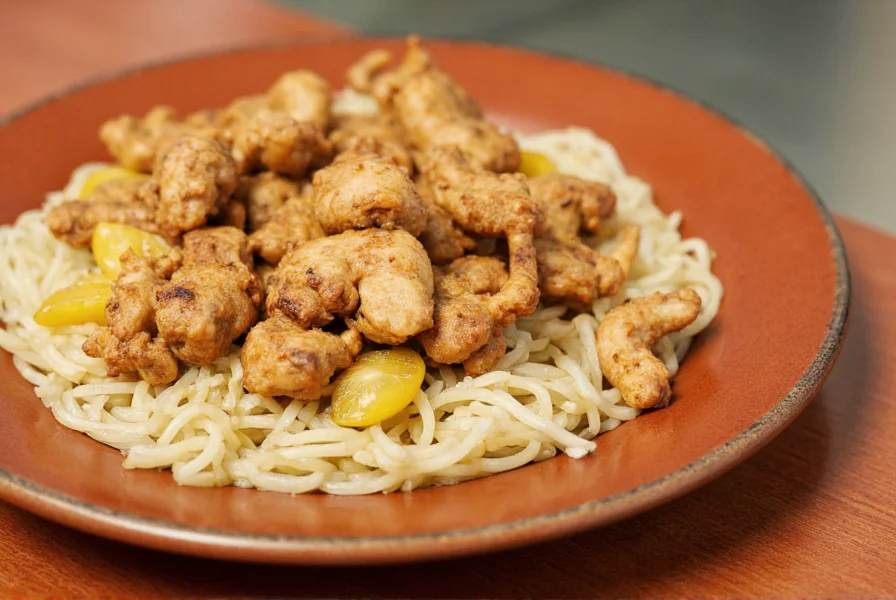
If you've ever wondered how to make authentic salt pepper chicken that rivals your favorite restaurant's version, you're in the right place. This beloved dish originated in Chinese cuisine and has become a staple in Chinese-American restaurants worldwide. The magic happens through a specific cooking technique that creates an irresistible crispy exterior while keeping the chicken moist inside, all enhanced by the perfect balance of coarse black pepper and fine salt.
The Essential Components of Perfect Salt Pepper Chicken
Creating exceptional salt pepper chicken requires understanding three critical elements: the chicken preparation, the frying technique, and the seasoning blend. Unlike regular fried chicken that relies on heavy breading or sauces, salt pepper chicken showcases the pure flavors of quality ingredients through precise cooking methods.
Chicken Selection and Preparation
For the best results, use boneless, skinless chicken thighs cut into 1.5-inch pieces. Thighs maintain moisture better than breasts during the high-heat cooking process. The chicken should be marinated for at least 30 minutes (but no longer than 2 hours) in a mixture of:
- 1 tablespoon Shaoxing wine (or dry sherry)
- 1 teaspoon cornstarch
- 1/2 teaspoon sesame oil
- 1/4 teaspoon white pepper
- Pinch of sugar
This simple marinade tenderizes the chicken while creating a light coating that helps the final seasoning adhere properly. Many home cooks make the mistake of over-marinating, which can make the chicken mushy.
| Ingredient | Traditional Amount | Purpose |
|---|---|---|
| Chicken thighs | 1.5 lbs | Moisture retention during high-heat cooking |
| Freshly cracked black pepper | 2 tablespoons | Primary flavor component with aromatic complexity |
| Fine sea salt | 1.5 tablespoons | Enhances flavor and creates seasoning crust |
| Dried red chilies | 3-4 pieces | Subtle heat and visual appeal |
The Double-Frying Technique: Secret to Ultimate Crispiness
The crispy salt pepper chicken technique that professional chefs use involves a two-stage frying process that's crucial for achieving the perfect texture:
- First fry: At 325°F (163°C) for 3-4 minutes until cooked through but not yet golden
- Cooling period: Rest for 5 minutes to allow moisture to redistribute
- Second fry: At 375°F (190°C) for 1-2 minutes until deeply golden and maximally crispy
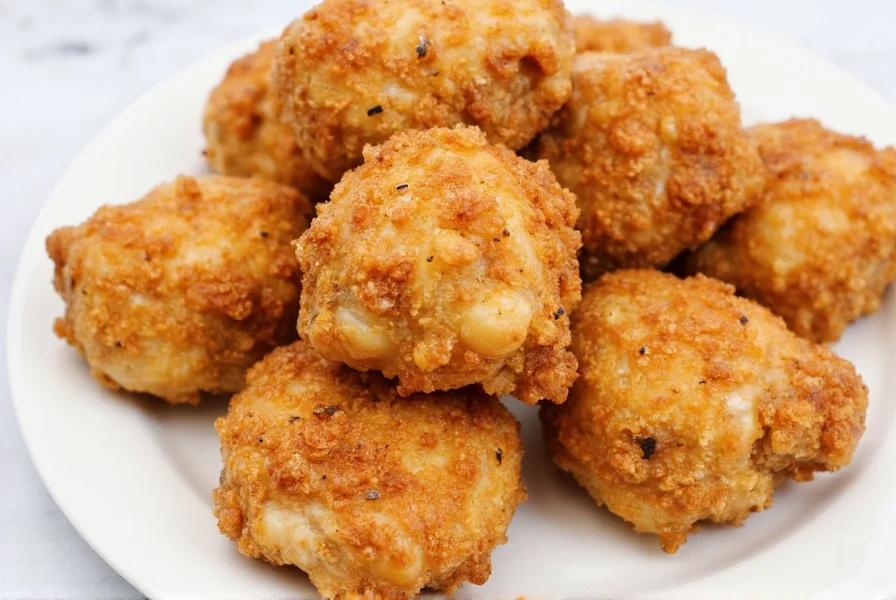
This method creates a chicken exterior that's shatteringly crisp yet remains tender inside—a hallmark of authentic Chinese salt pepper chicken. The higher temperature in the second fry dehydrates the surface completely, creating that signature crunch that stands up to the dry seasoning toss.
Mastering the Seasoning Toss
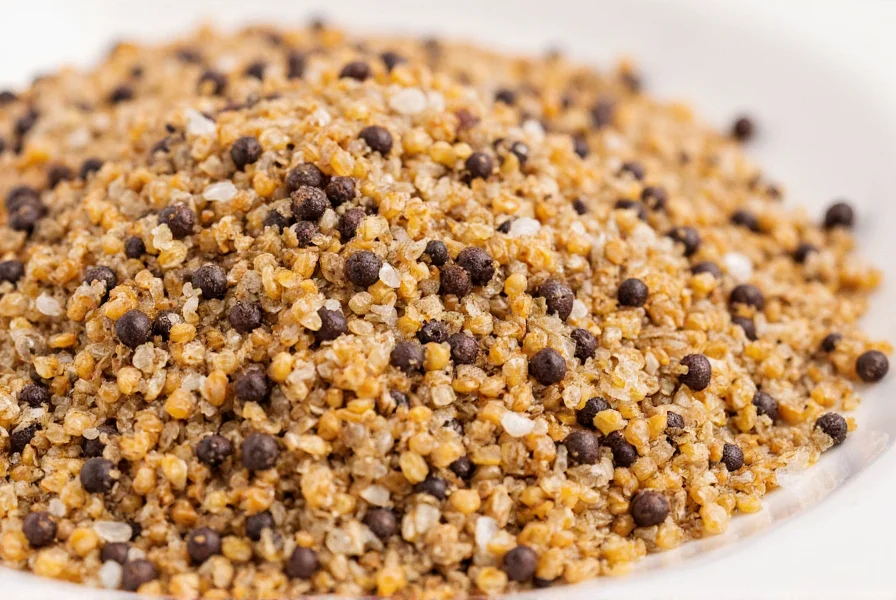
The namesake seasoning isn't just salt and pepper—it's a carefully balanced blend applied at the perfect moment. After the second fry, immediately transfer the chicken to a wok or large skillet over high heat with:
- 2 tablespoons freshly cracked black pepper (coarse grind)
- 1.5 tablespoons fine sea salt (not coarse)
- 3-4 dried red chilies, broken into pieces
- 2 thinly sliced scallions (green parts only)
- Optional: 1 teaspoon five-spice powder for complexity
Toss vigorously for 30-60 seconds until the seasoning evenly coats each piece. The residual heat from the chicken toasts the spices slightly, releasing their essential oils and creating that addictive aroma. This salt pepper chicken cooking tip makes all the difference between good and exceptional results.
Avoiding Common Salt Pepper Chicken Mistakes
Many home cooks encounter these pitfalls when attempting the best salt pepper chicken recipe:
- Using pre-ground pepper: Freshly cracked pepper has vibrant flavor that pre-ground lacks
- Incorrect salt texture: Fine salt adheres better than coarse salt or flakes
- Overcrowding the fryer: Lowers oil temperature, creating greasy chicken
- Adding seasoning too early: Causes spices to burn before chicken is fully cooked
- Skipping the double-fry: Results in less crispy texture that gets soggy quickly
Regional Variations and Adaptations
While the Cantonese version is most common in Western restaurants, regional variations exist:
- Hong Kong style: Includes a small amount of curry powder in the seasoning
- Taiwanese version: Often incorporates garlic and shallots more prominently
- Simplified home version: Uses a single frying method for convenience
- Gluten-free adaptation: Substitute cornstarch for flour in the initial coating
For those exploring salt pepper chicken vs regular fried chicken, the key difference is the absence of heavy batter or sauce—the focus is entirely on the quality of the chicken and the precision of the seasoning.
Historical Evolution: From Cantonese Kitchens to American Tables
Salt pepper chicken's journey reflects broader patterns in Chinese-American culinary adaptation. According to the Smithsonian Center for Folklife and Cultural Heritage, the dish evolved from traditional Cantonese dry-fried preparations but transformed significantly through ingredient availability and American dining preferences [1]. Early Chinese immigrants modified cooking techniques to suit local markets, leading to the distinctive double-fried texture Americans now associate with the dish.
| Era | Key Development | Culinary Significance |
|---|---|---|
| 1850s-1900 | Wok cooking introduced to America | Adaptation of stir-frying techniques using available Western ingredients |
| 1920s-1940s | "Americanized" Chinese dishes emerge | Texture-focused preparations like double-frying developed for Western palates |
| 1970s-1980s | Standardization in Chinese-American restaurants | Crispy salt pepper chicken becomes menu staple nationwide |
| 2000s-Present | Home cooking revival | Authentic techniques documented through culinary media and chef publications |
This evolution demonstrates how cultural exchange shapes food traditions, with the dish maintaining its core identity while adapting to new contexts—a pattern documented across multiple academic studies of immigrant cuisines [2].
Practical Considerations: Recipe Limitations and Best Use Cases
Understanding the contextual boundaries of this recipe ensures successful execution and appropriate application. Key limitations include:
- Equipment dependency: The USDA Food Safety and Inspection Service emphasizes that maintaining precise oil temperatures (325-375°F) is critical for both texture and food safety [3]. Home cooks without thermometers face significant challenges in replicating professional results.
- Dietary constraints: A single serving contains approximately 1,200mg sodium—over half the FDA's recommended daily limit of 2,300mg for adults [4]. This makes the dish unsuitable for hypertension management without substantial modification.
- Timing sensitivity: The crispiness deteriorates within 10-15 minutes due to moisture migration, as confirmed by culinary research on fried food physics [5]. This limits its practicality for meal prep or large events.
- Ingredient specificity: Pre-ground pepper loses 70% of its volatile compounds within 15 minutes of grinding [6], making freshly cracked peppercorns non-negotiable for authentic flavor.
These boundaries position the dish ideally for immediate restaurant service or home cooking with proper equipment, but less suitable for dietary-restricted individuals or situations requiring extended holding times.
Serving and Pairing Suggestions
Serve salt pepper chicken immediately after preparation, as the crispiness diminishes over time. Traditional pairings include:
- Steamed jasmine rice to balance the bold flavors
- Simple stir-fried greens like gai lan or bok choy
- Cold beer or light-bodied white wine
- Quick cucumber salad to cut through the richness
The dish works equally well as an appetizer or main course. For entertaining, consider serving it as bite-sized pieces with toothpicks for easy sharing—a popular approach for salt pepper chicken party appetizers.
Storage and Reheating Guidelines
While salt pepper chicken is best enjoyed fresh, leftovers can be stored properly:
- Refrigerate in an airtight container for up to 2 days
- Reheat in an air fryer at 350°F (175°C) for 3-4 minutes for best results
- Avoid microwaving, which makes the coating soggy
- Do not freeze, as the texture deteriorates significantly




 浙公网安备
33010002000092号
浙公网安备
33010002000092号 浙B2-20120091-4