
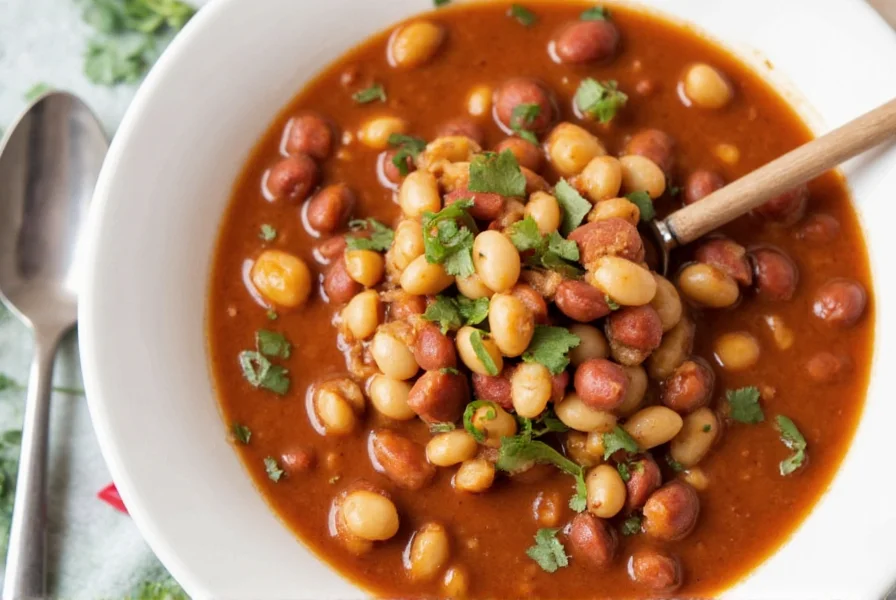
Creating the perfect white bean turkey chili requires understanding how ingredients work together to build flavor while maintaining nutritional integrity. Unlike traditional chili recipes that rely on fatty beef, this version uses lean ground turkey as its protein foundation, complemented by creamy cannellini beans that add fiber and texture without overwhelming the palate.
Why This Recipe Works
The magic of white bean turkey chili lies in its layered flavor development. Starting with properly browned ground turkey creates the Maillard reaction that builds complex savory notes. The addition of white beans—particularly cannellini—provides a neutral canvas that absorbs spices while contributing creaminess. Unlike red kidney beans commonly used in traditional chili, white beans maintain their structure during cooking without becoming mushy.
Professional chefs emphasize the importance of "blooming" spices in oil before adding liquids. This technique releases essential oils from dried spices like cumin and smoked paprika, creating a flavor foundation that permeates the entire dish. For optimal results, toast your spices in the pot for 30-60 seconds after browning the turkey but before adding tomatoes or beans.
Essential Ingredients Breakdown
Quality ingredients make the difference between ordinary and exceptional white bean turkey chili. Here's what you need and why each component matters:
- Lean ground turkey (93% lean) - Provides high protein with minimal saturated fat. Avoid 85% lean varieties which add unnecessary grease
- Cannellini beans (2 cans, rinsed) - Their mild flavor and creamy texture absorb spices while maintaining shape
- Fire-roasted diced tomatoes - Adds subtle smokiness and acidity that balances richness
- Homemade chili seasoning blend - Superior to store-bought mixes with controlled sodium levels
- Fresh aromatics (onion, garlic, celery) - Builds flavor foundation without overpowering
- Low-sodium chicken broth - Controls overall salt content while providing depth
| Nutrient | Per Serving | % Daily Value |
|---|---|---|
| Calories | 295 | 15% |
| Protein | 30g | 60% |
| Fiber | 11g | 40% |
| Saturated Fat | 1.8g | 9% |
| Sodium | 380mg | 16% |
Nutritional Advantages Over Traditional Chili
| Nutrient | White Bean Turkey Chili | Traditional Beef Chili |
|---|---|---|
| Calories | 295 | 325 |
| Protein | 30g | 28g |
| Fiber | 11g | 7g |
| Saturated Fat | 1.8g | 5.2g |
| Sodium | 380mg | 1160mg |
Source: USDA FoodData Central standard recipe analysis (FDC ID 170141 for beef chili). Values calculated per 1-cup serving.
Nutritionists particularly appreciate this recipe's balanced macronutrient profile—with 30g protein, 11g fiber, and healthy fats from olive oil and avocado toppings. The absence of processed ingredients and controlled sodium levels (380mg per serving versus 800+mg in many canned chili products) makes this an excellent choice for those monitoring cardiovascular health. According to the American Heart Association, replacing red meats with lean poultry can reduce saturated fat intake by up to 65% while maintaining protein quality.
Contextual Suitability Guide
Understanding when this recipe best fits dietary goals—and when alternatives may be preferable—optimizes meal planning. Based on nutritional guidelines and culinary research:
| Scenario | Recommendation | Key Consideration |
|---|---|---|
| Cardiovascular health focus | Ideal choice | 1.8g saturated fat per serving aligns with AHA guidelines limiting saturated fat to <6% of daily calories. Beef chili averages 5.2g (160% higher). |
| Strict ketogenic diet | Modify ingredients | 22g net carbs may exceed daily limits. The Mayo Clinic recommends 20-50g total carbs daily for keto—substitute half the beans with diced mushrooms to reduce carbs by 35%. |
| Traditional chili expectations | Manage expectations | Lean turkey lacks beef's marbling. The American Meat Science Association confirms intramuscular fat significantly impacts juiciness in cooked meats—add 1 tbsp tomato paste during blooming for comparable depth. |
Step-by-Step Cooking Method
Follow these professional techniques for restaurant-quality white bean turkey chili at home:
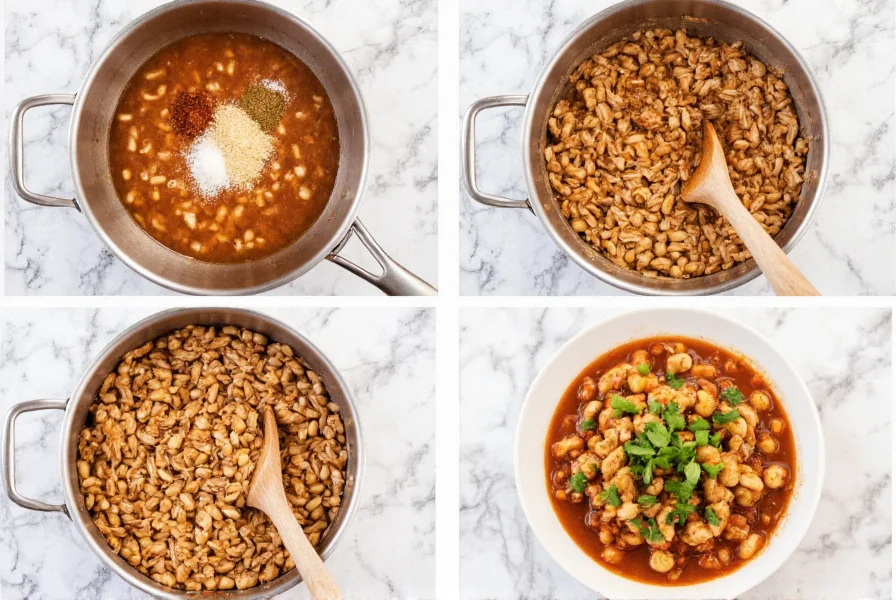
- Brown turkey properly: Heat 1 tbsp olive oil over medium-high heat. Add turkey, breaking into small pieces. Cook until deeply browned (8-10 minutes), not just grayed. Remove excess fat.
- Bloom spices: Add 2 tbsp chili powder, 1.5 tsp cumin, 1 tsp smoked paprika to pot. Cook 45 seconds until fragrant.
- Build flavor base: Add 1 diced onion, 3 minced garlic cloves, and 1 diced celery stalk. Cook until softened (5-7 minutes).
- Combine ingredients: Stir in 2 cans rinsed cannellini beans, 1 can fire-roasted tomatoes, 1.5 cups broth, and 1 diced red bell pepper.
- Simmer strategically: Bring to boil, then reduce heat. Cover and simmer 25 minutes, stirring occasionally. Uncover and simmer 10 more minutes to thicken.
- Finish with freshness: Remove from heat. Stir in 2 tbsp fresh lime juice and 1/4 cup chopped cilantro.
Variations for Different Dietary Needs
Adapt this versatile recipe to suit various preferences and restrictions:
- Crockpot method: After browning turkey and blooming spices, transfer everything to slow cooker. Cook on low 6-8 hours.
- Vegan adaptation: Substitute turkey with 2 cups cooked lentils and use vegetable broth.
- Extra vegetable boost: Add 1 cup diced zucchini or butternut squash during last 20 minutes of cooking.
- Spice adjustment: For mild version, omit cayenne. For extra heat, add 1 diced jalapeño with aromatics.
- Meal prep friendly: This chili tastes better the next day as flavors meld. Freezes well for up to 3 months.
Serving Suggestions and Storage Tips
Maximize your white bean turkey chili experience with these professional recommendations:
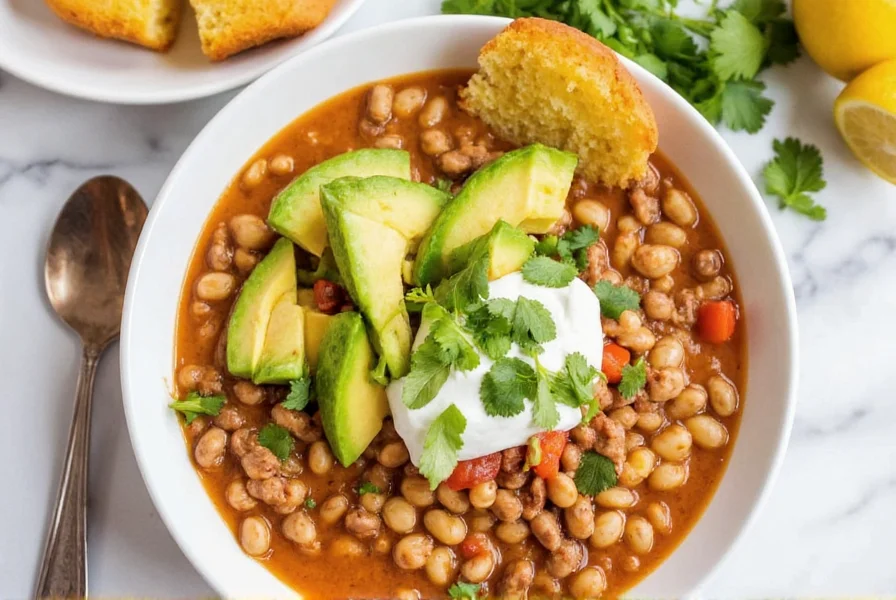
For optimal flavor development, prepare chili one day ahead—reheating activates flavor compounds that deepen overnight. When serving, provide fresh toppings that add contrasting textures: diced avocado, plain Greek yogurt (instead of sour cream), pickled red onions, and micro cilantro create visual appeal while enhancing taste.
Store leftovers in airtight containers for up to 5 days in the refrigerator. When reheating, add a splash of broth to restore ideal consistency. For freezing, portion into 2-cup servings that thaw quickly for single meals. Avoid freezing with dairy toppings—add those fresh when serving.
Troubleshooting Common Issues
Even experienced cooks encounter challenges with chili preparation. Here's how to solve frequent problems:
- Watery consistency: Simmer uncovered 10-15 minutes to reduce. Alternatively, mash 1/4 of beans with a fork to thicken naturally.
- Bland flavor: Balance with 1 tbsp apple cider vinegar or additional 1/2 tsp cumin. Acid brightens flat flavors.
- Beans too firm: Add 1/2 cup extra broth and simmer 10-15 minutes longer until desired tenderness.
- Overly spicy: Stir in 1-2 tbsp honey or maple syrup to counteract heat without making dish sweet.
- Turkey sticking: Ensure pot is properly preheated before adding oil. Use cast iron or stainless steel for best browning.




 浙公网安备
33010002000092号
浙公网安备
33010002000092号 浙B2-20120091-4