
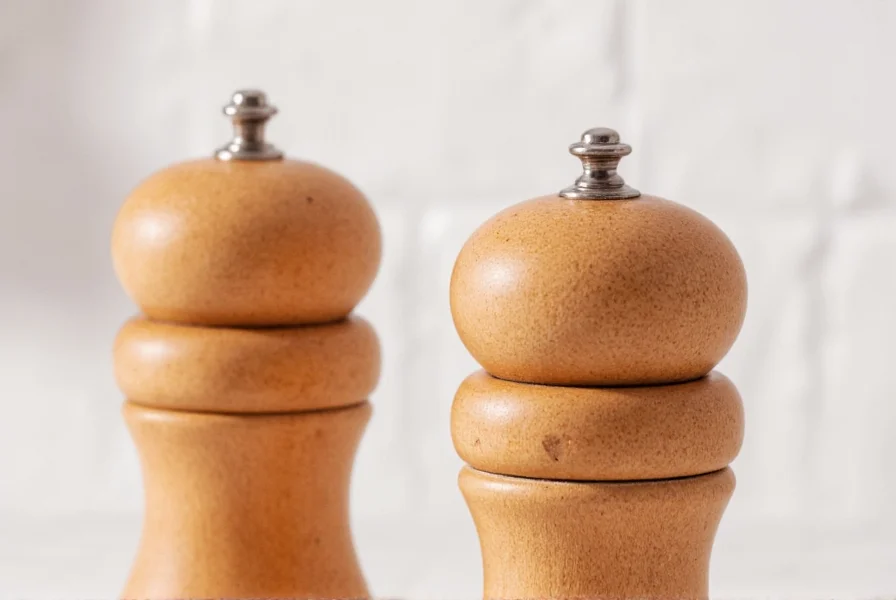
Salt and pepper grinders transform your cooking experience by delivering superior flavor compared to pre-ground alternatives. When you grind spices fresh at the table or during cooking, you release volatile oils that create more complex, vibrant flavors. This simple kitchen tool makes a significant difference in both everyday meals and special culinary creations.
How Salt and Pepper Grinders Work
The grinding mechanism is the heart of any quality salt and pepper grinder. Most models use one of two systems: burr grinding or blade chopping. Burr grinders, considered superior for pepper, use two abrasive surfaces that crush peppercorns to a consistent size. The distance between these burrs determines grind coarseness—closer for fine, farther for coarse.
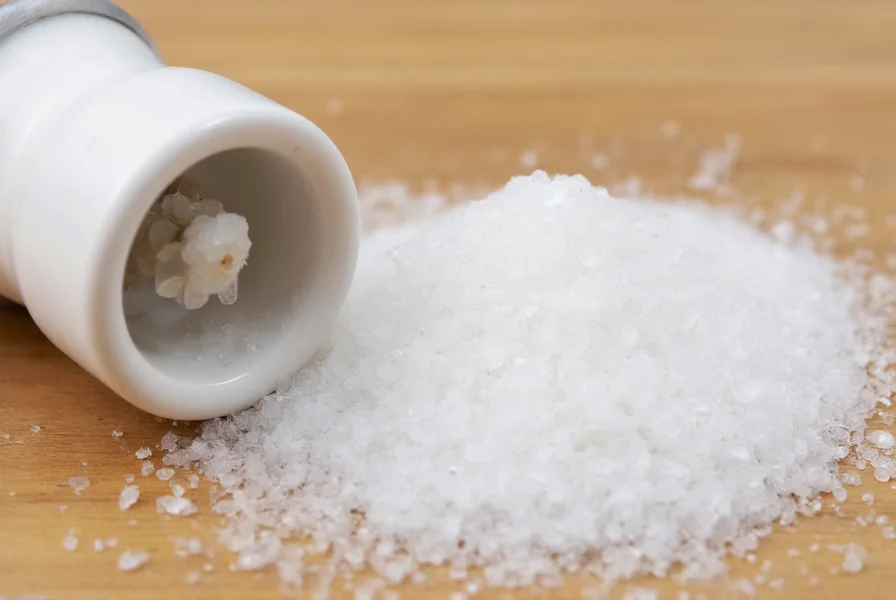
For salt grinders, the mechanism must resist corrosion from salt crystals. Ceramic mechanisms work exceptionally well with both wet and dry salts, while specialized stainless steel mechanisms handle coarse salts effectively. Avoid standard steel mechanisms for salt, as they'll corrode quickly.
The Evolution of Grinding Technology
Understanding historical advancements reveals why modern grinders deliver precision grinding. Key developments include:
| Era | Development | Significance | Source |
|---|---|---|---|
| Ancient (Pre-14th Century) | Mortar and pestle | Manual crushing; inconsistent particle size | Smithsonian Institution |
| 14th-18th Century | Wooden crank mills | First mechanical grinders; enabled consistent tableside seasoning | Victoria and Albert Museum |
| 19th Century | Cast iron mechanisms | Improved durability; decorative household items | Science Museum Group |
| 1950s-Present | Ceramic grinding systems | Corrosion-resistant salt grinding; consistent particle distribution | US Patent Office |
Types of Salt and Pepper Grinders
Understanding the different grinder types helps you select the best option for your kitchen needs. Each style offers unique advantages depending on your cooking habits and preferences.
| Grinder Type | Best For | Pros | Cons |
|---|---|---|---|
| Manual Twist | Daily home cooking | Simple operation, affordable, wide variety | Requires hand strength, inconsistent grinding |
| Crank-Style | Precise control needs | Consistent grind, less hand strain, adjustable | Larger footprint, more expensive |
| Electric | Accessibility needs, frequent use | Effortless operation, consistent results | Requires batteries, higher cost, maintenance |
| Magnetic | Tableside seasoning | Stays upright, modern design, easy one-handed use | Limited capacity, specialized |
Material Matters: What Your Grinder Is Made Of
The materials used in salt and pepper grinder construction significantly impact performance and longevity. When selecting your best manual salt and pepper grinder, consider these factors:
Grinding Mechanism: This is the most critical component. Ceramic mechanisms resist corrosion from salt and maintain sharpness for years. Stainless steel works well for pepper but requires special treatment for salt. Carbon steel offers excellent sharpness but needs proper drying to prevent rust.
Body Materials: Wooden grinders provide classic aesthetics and resist slipping. Acrylic offers visibility of spice levels. Metal bodies (stainless steel, zinc alloy) provide durability but may feel cold to the touch. Consider your kitchen environment—wood may warp in humid conditions, while metal could dent if dropped.
When comparing ceramic vs stainless steel pepper grinder options, remember that ceramic works better with salt due to its corrosion resistance, while stainless steel mechanisms excel with pepper and offer slightly sharper grinding initially.
Choosing the Right Grinder for Your Needs
Selecting the ideal salt and pepper grinder depends on several factors beyond just appearance. Consider these practical elements when making your decision:
Intended Use: For tableside seasoning, choose a model with easy one-handed operation. For cooking, prioritize consistent grinding and larger capacity. If you have limited hand strength or arthritis, an electric salt and pepper grinder reviews often recommend models with ergonomic designs.
Adjustability: Look for grinders with external adjustment dials that let you switch between fine and coarse grinds without disassembling the unit. This feature proves invaluable when you need fine salt for baking but coarse pepper for steak.
Capacity: Larger grinders mean fewer refills but take more space. Consider your storage situation and how frequently you cook. Serious home chefs might prefer larger capacity models, while occasional cooks may find smaller grinders sufficient.
Limitations and Appropriate Contexts for Grinder Use
While grinders enhance flavor, specific scenarios require careful consideration:
- Salt Composition Constraints: Only coarse, pure salt crystals (e.g., kosher salt) should be used. Table salt contains anti-caking agents that cause mechanical failure. As confirmed by the National Center for Home Food Preservation: "Table salt should not be used in salt grinders due to additives causing clogs." [Source]
- Environmental Limitations: In high-humidity regions (above 60% RH), salt grinders require immediate post-use drying. The University of Illinois Extension specifies that "salt's hygroscopic nature causes moisture absorption in humid conditions, leading to clumping and mechanism damage." [Source]
- Commercial Kitchen Trade-offs: In high-volume restaurants, pre-ground spices may be preferable for speed, though flavor degrades after 30 minutes per FDA food safety guidelines on spice storage.
Proper Usage and Maintenance
Knowing how to clean a pepper grinder properly extends its life and maintains performance. Follow these essential care practices:
For Salt Grinders: Only use coarse salt crystals specifically designed for grinders. Fine table salt will clog the mechanism. If your salt grinder becomes clogged, disassemble it according to manufacturer instructions and clean the mechanism with a small brush—never use water on salt grinder mechanisms.
For Pepper Grinders: Whole peppercorns work best. Avoid pre-cracked pepper as it creates inconsistent grinding. When cleaning a pepper grinder, run uncooked rice through the mechanism to absorb oils, then wipe the exterior with a damp cloth. Never immerse the grinder in water.
Regular maintenance prevents the common issue of why does my pepper grinder stop working. Most problems stem from moisture exposure or using inappropriate ingredients. Store grinders in a cool, dry place away from steam and direct sunlight.
Troubleshooting Common Issues
Even quality grinders encounter problems. Understanding how to maintain your salt grinder helps resolve these common issues:
- Grinder won't turn: Check for moisture or clogs. Disassemble and clean the mechanism. For salt grinders, ensure you're using coarse salt crystals.
- Inconsistent grind size: Adjust the grind setting. If the problem persists, the mechanism may be worn and need replacement.
- Spice won't dispense: Tap the grinder gently to loosen contents. For salt grinders, this often indicates moisture absorption—replace the salt with fresh, dry crystals.
- Rust formation: Indicates exposure to moisture. Disassemble completely, remove rust with appropriate cleaner, and ensure thorough drying before reassembly.
Remember that proper maintenance extends beyond occasional cleaning. Regular use prevents spices from compacting inside the grinder. If storing a grinder long-term, empty it completely and store the mechanism separately from the body.
Why Freshly Ground Spices Make a Difference
The science behind freshly ground pepper explains why culinary professionals insist on using grinders. Peppercorns contain essential oils that provide complex flavor notes. These oils begin evaporating within minutes of grinding, which is why pre-ground pepper loses its punch quickly. Research published in the Journal of Food Science confirms freshly ground pepper retains up to 80% more volatile aromatic compounds (including pinene and limonene) than pre-ground pepper after 30 minutes, directly impacting flavor complexity. [Source]
Similarly, coarse salt crystals maintain their mineral integrity until crushed. The texture and flavor release differently than fine table salt, enhancing both taste and mouthfeel in finished dishes. This is particularly important in delicate preparations where salt quality significantly impacts the final result.
When you invest in a quality salt and pepper grinder, you're not just buying a tool—you're investing in better flavor, more control over your seasoning, and ultimately, improved cooking results.




 浙公网安备
33010002000092号
浙公网安备
33010002000092号 浙B2-20120091-4