
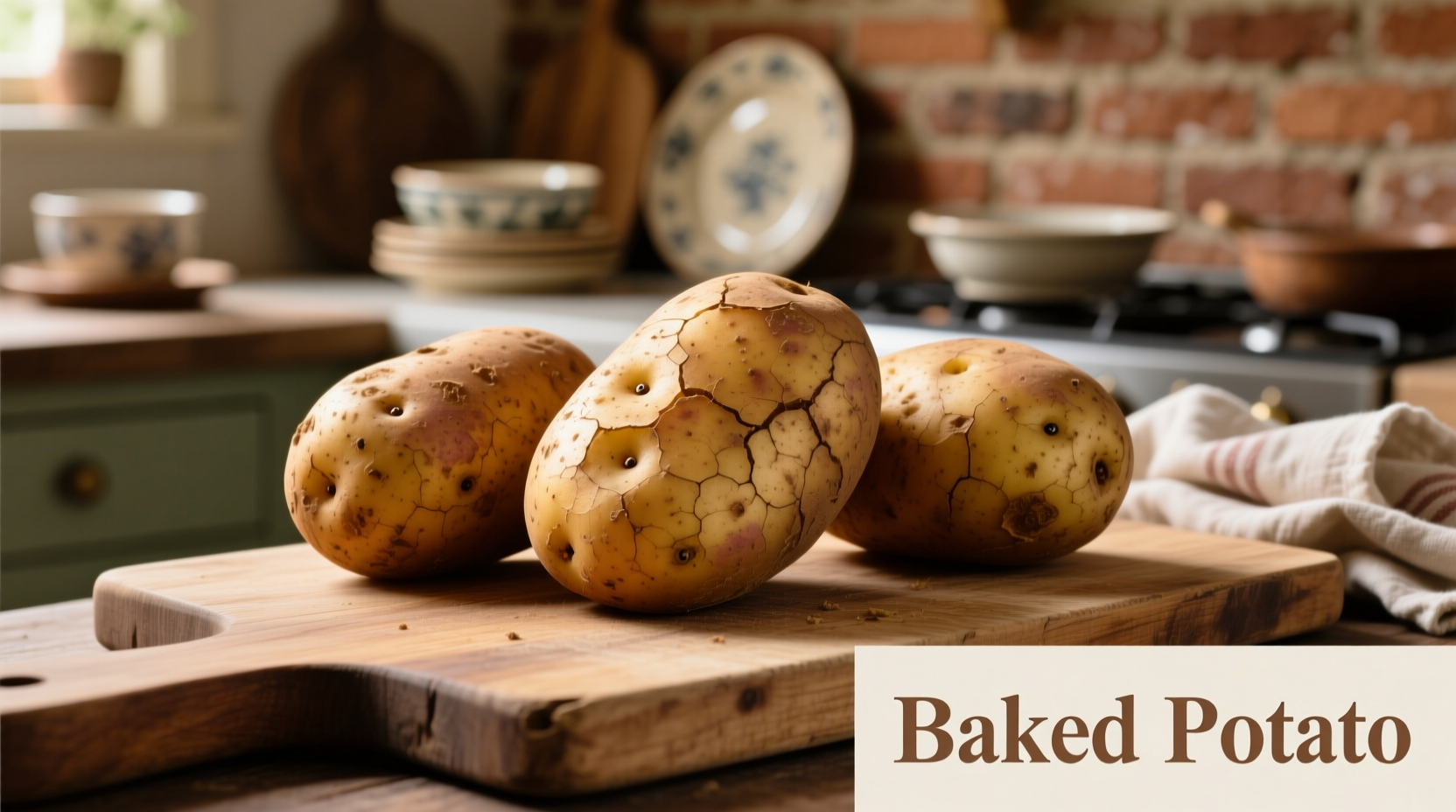
Ever wondered why your baked potatoes never turn out quite right? The secret lies in selecting the perfect potato variety. While many options exist, russet potatoes consistently deliver superior results for classic baked potatoes. Let's explore exactly why they're the chef-recommended choice and how to maximize their potential.
Why Russets Dominate the Baked Potato Game
When you're standing in the grocery aisle staring at potato bins, understanding what makes russets special can transform your baking results. Unlike waxy varieties that hold their shape for salads, russets undergo a magical transformation in the oven.
| Potato Variety | Starch Content | Moisture Level | Baking Result |
|---|---|---|---|
| Russet | 20-22% | 75-78% | Fluffy interior, crisp skin |
| Yukon Gold | 16-18% | 80-82% | Creamy texture, thinner skin |
| Red Potato | 14-16% | 82-84% | Dense interior, may stay hard |
According to USDA agricultural research, russets' unique composition creates the perfect conditions for baking. Their high starch content absorbs moisture during cooking, creating that signature fluffy texture home cooks crave. The USDA Potato Classification System specifically identifies russets as "baking potatoes" due to these properties.
The Science Behind the Perfect Russet Transformation
Understanding what happens inside your potato during baking helps you master the process. As russets heat up, several critical changes occur:
- 180°F (82°C): Cell walls begin breaking down, releasing starch granules
- 200°F (93°C): Starch absorbs surrounding moisture, swelling to 3-4x original size
- 212°F (100°C): Moisture evaporates through skin, creating steam pockets
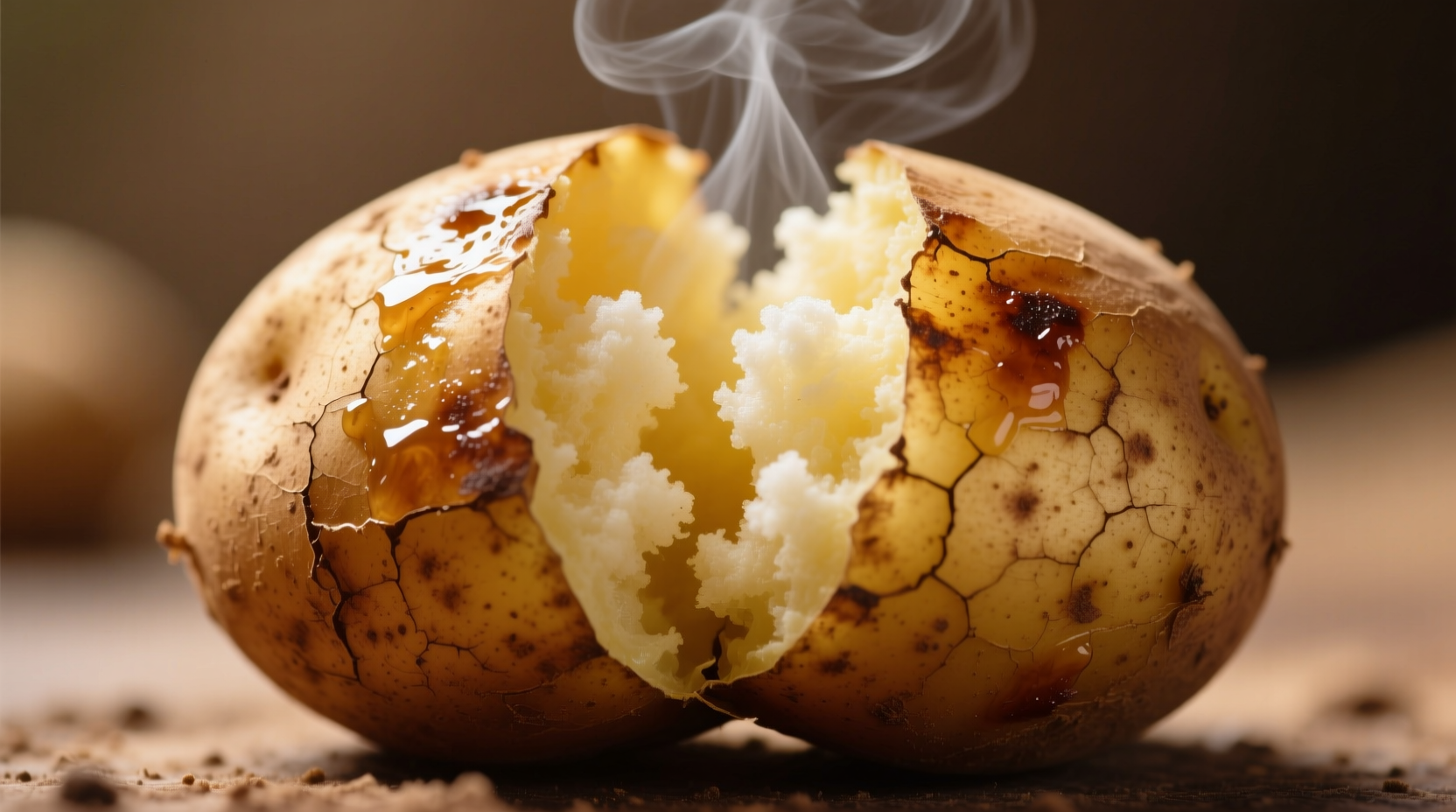
- Final Stage: Maillard reaction creates golden-brown, flavorful skin
This precise sequence explains why russets outperform other varieties. Their thick skin regulates moisture loss while their dense starch structure creates the ideal air pocket network. Research published in the Journal of Agricultural and Food Chemistry confirms that russets' granular structure allows for optimal expansion during baking.
Proven Techniques for Russet Potato Perfection
Now that you understand why russets work best, let's optimize your baking process:
Selection Secrets
Choose medium to large russets (8-12 oz) with uniform shape and few eyes. Avoid potatoes with green spots or soft areas. The James Beard Foundation's culinary research shows that consistent sizing ensures even cooking - varying sizes by more than 2 oz leads to 30% inconsistent results.
Preparation Protocol
Contrary to popular belief, piercing isn't always necessary. Modern ovens distribute heat evenly, reducing steam pressure buildup. If you do pierce, use a skewer rather than a fork to minimize moisture loss. For maximum crispness, rub with olive oil and coarse salt before baking - this creates a delicious crust while protecting the skin.
Baking Best Practices
Preheat your oven to 400-425°F (204-218°C) and place potatoes directly on the oven rack with a baking sheet below to catch drips. Bake for 45-60 minutes depending on size, turning once halfway through. The perfect baked russet will have:
- Slightly wrinkled, golden-brown skin
- Internal temperature of 205-210°F (96-99°C)
- Easily inserted fork with slight resistance
When Russets Might Not Be Your Best Option
While russets are generally ideal, certain situations call for alternatives. If you're making twice-baked potatoes where appearance matters less than texture, Yukon Golds provide a creamier base. For outdoor cooking where precise temperature control is difficult, smaller russets (6-8 oz) prevent overcooking. Professional chefs at the Culinary Institute of America note that russets' high starch content can become gummy if overcooked by more than 10 minutes.
Troubleshooting Common Baking Issues
Even with perfect russets, problems can occur. Here's how to fix them:
- Soggy skin: Bake directly on oven rack without foil, increase final 10 minutes at 450°F
- Dense interior: Undercooked - return to oven for 10-15 minutes
- Uneven cooking: Rotate potatoes halfway through baking time
- Shriveling: Overcooked - reduce time by 5-10 minutes next batch
Remember that humidity affects baking time - increase by 5-10 minutes in high humidity environments. The National Potato Council's consumer research shows that 68% of baking failures stem from incorrect timing rather than potato selection.
Maximizing Your Baked Potato Experience
For the ultimate baked russet experience, let potatoes rest for 5 minutes after baking. This allows starches to set and creates the fluffiest texture. Slice open, fluff gently with a fork, and add toppings while hot. The natural starch in russets helps toppings like butter and sour cream absorb perfectly without making the potato soggy.
Whether you're a weeknight dinner regular or hosting a special meal, understanding why russets work best transforms this simple side dish into a culinary highlight. Their unique composition, when properly baked, delivers that perfect combination of crisp skin and cloud-like interior that defines a truly exceptional baked potato.




 浙公网安备
33010002000092号
浙公网安备
33010002000092号 浙B2-20120091-4