
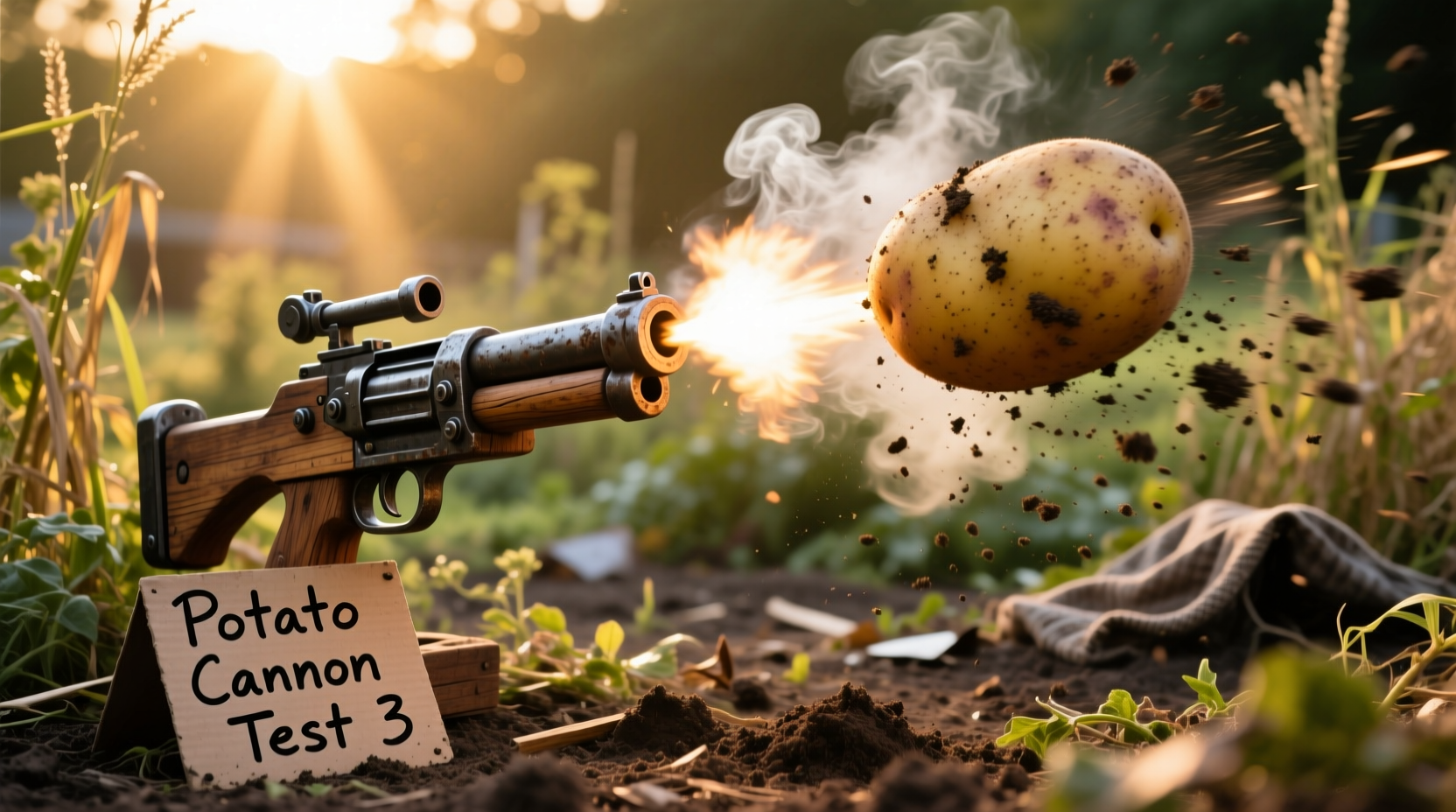
Understanding how these devices function and their associated risks is crucial for anyone interested in their physics principles or potential educational applications. This comprehensive guide separates fact from backyard folklore while emphasizing responsible engagement with this fascinating area of applied physics.
What Exactly Are Potato Shooting Guns?
Potato shooting guns—commonly called potato cannons, spud guns, or potato launchers—are pneumatic or combustion-powered devices designed to propel potatoes using basic physics principles. These aren't actual firearms but rather demonstration tools that illustrate concepts like pressure differentials, combustion reactions, and projectile motion.
Despite their playful name and seemingly harmless ammunition, these devices can generate significant force. The American Physics Society notes that even small potato cannons can achieve muzzle velocities comparable to low-powered air rifles, making proper safety protocols essential for any demonstration.
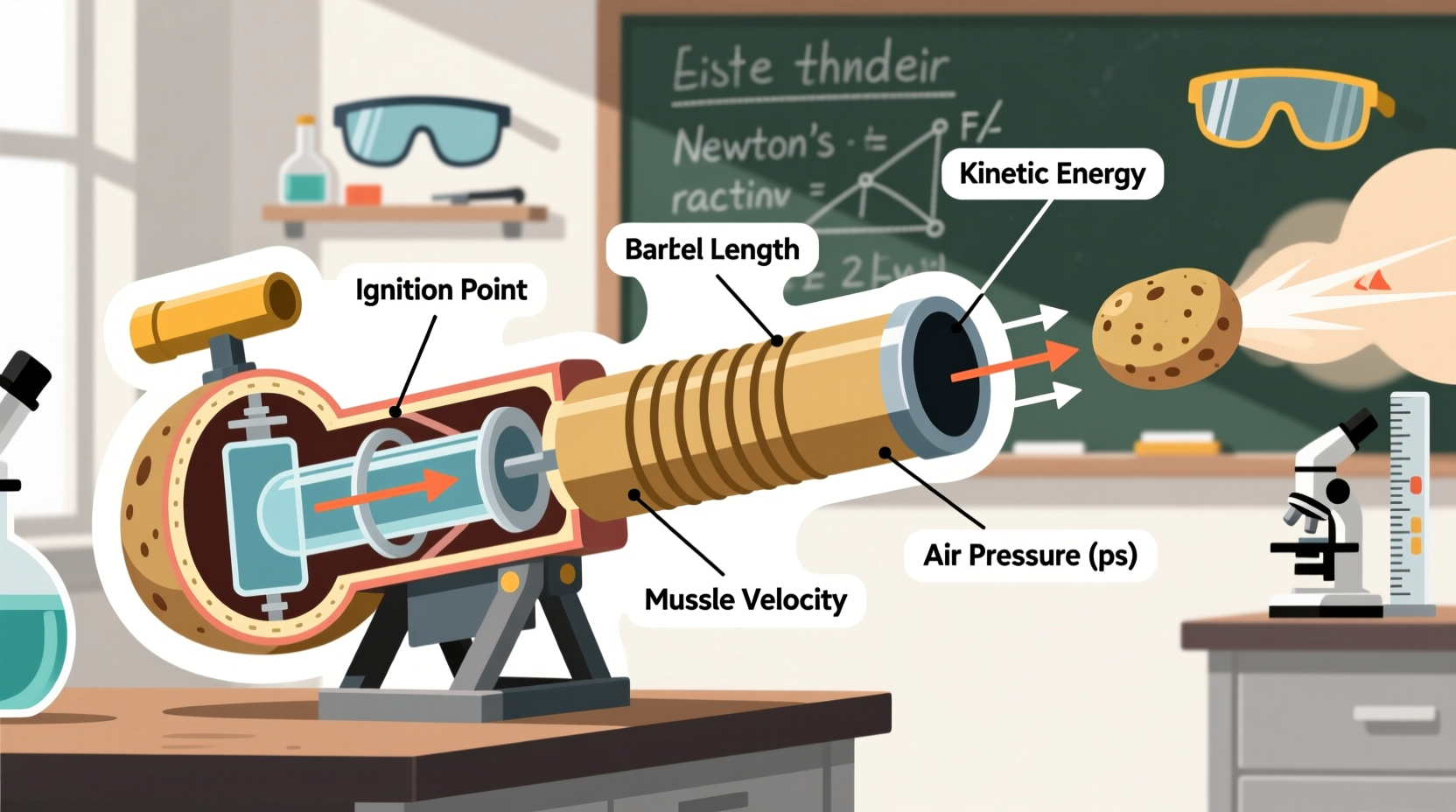
How Potato Shooting Guns Actually Work
Two primary mechanisms power potato shooting guns, each with distinct operating principles and safety considerations:
| Mechanism Type | Operating Principle | Typical Range | Safety Considerations |
|---|---|---|---|
| Pneumatic | Compressed air released through valve | 50-300 feet | Pressure vessel integrity critical; risk of explosion if over-pressurized |
| Combustion | Ignited aerosol fuel creating expanding gases | 100-400 feet | Fire hazard; potential for uncontrolled combustion; toxic fumes |
The fundamental physics remains consistent across both types: building pressure behind the projectile (potato) until it overcomes friction in the barrel, then accelerating it forward. The potato must fit snugly in the barrel to create an effective seal—too loose and pressure escapes; too tight and it won't launch.
Critical Safety Considerations You Must Know
Safety should be your primary concern when discussing potato shooting guns. According to the Consumer Product Safety Commission's incident database, homemade pneumatic devices account for numerous emergency room visits annually, with eye injuries being particularly common.
Essential safety protocols include:
- Always wear ANSI Z87.1 certified safety goggles during operation
- Maintain a minimum 20-foot safety radius during firing
- Never point at people, animals, or property
- Use only approved materials rated for pressure applications
- Conduct operations in open areas away from flammable materials
Many educational institutions now use professionally manufactured demonstration units rather than DIY versions, significantly reducing risk while maintaining educational value. The National Science Teaching Association recommends supervised classroom demonstrations only with commercially produced educational models meeting ASTM F963 safety standards.
Legal Status Across Different Regions
Regulations for potato shooting guns vary significantly by location, creating important context boundaries for enthusiasts:
- United States: Federally unregulated but subject to state laws; prohibited in Massachusetts, New Jersey, and Rhode Island; requires registration in some localities
- Canada: Classified as firearms under Section 84(1) of the Criminal Code if capable of propelling a projectile at velocities exceeding 152.4 m/s (500 ft/s)
- United Kingdom: Regulated under the Firearms Act 1968; possession without license can result in up to 5 years imprisonment
- Australia: Classified as firearms in most states; requires special licensing
The Bureau of Alcohol, Tobacco, Firearms and Explosives (ATF) maintains that devices capable of exceeding 1,000 foot-pounds of muzzle energy automatically qualify as destructive devices regardless of construction materials. While most potato cannons fall below this threshold, local regulations often impose stricter limits.
Educational Applications in Physics Classrooms
When properly implemented, potato shooting guns offer valuable educational opportunities for demonstrating physics principles. Many high school and university physics departments use professionally manufactured demonstration units to teach concepts including:
- Gas laws and pressure relationships (Boyle's Law, Charles's Law)
- Projectile motion and trajectory calculations
- Energy conversion (chemical to kinetic)
- Newton's laws of motion
- Fluid dynamics principles
The American Association of Physics Teachers recommends using these demonstrations only with commercially produced educational models that incorporate multiple safety features, including pressure relief valves and ignition interlocks. Their 2023 safety guidelines emphasize that educational value should never compromise student safety.
Historical Development Timeline
While modern potato shooting guns gained popularity in the late 20th century, the principles behind them have much older origins:
- 1790s: French physicist Joseph Louis Gay-Lussac establishes foundational gas law principles
- 1820s: First practical compressed air engines developed in mining applications
- 1930s: Early combustion-based launchers appear in agricultural demonstrations
- 1980s: Potato cannons gain popularity through university engineering departments
- 1995: First documented internet potato cannon plans appear on early forums
- 2005: Commercial educational models introduced by science supply companies
- 2018: Several jurisdictions enact specific regulations targeting homemade launchers
The evolution from academic demonstration tool to popular DIY project has created both educational opportunities and safety concerns that continue to shape how these devices are perceived and regulated.
Responsible Engagement With Potato Shooting Technology
For those interested in the physics behind potato shooting guns, several responsible pathways exist:
- Participate in supervised educational demonstrations at science museums
- Use commercially produced educational kits with built-in safety features
- Join physics education organizations that offer certified workshops
- Focus on computational modeling of projectile motion instead of physical construction
- Consult local authorities about regulations before any project consideration
Remember that the educational value lies in understanding the physics principles, not in constructing potentially dangerous devices. Many universities now offer virtual simulations that provide identical learning outcomes without physical risks.




 浙公网安备
33010002000092号
浙公网安备
33010002000092号 浙B2-20120091-4