
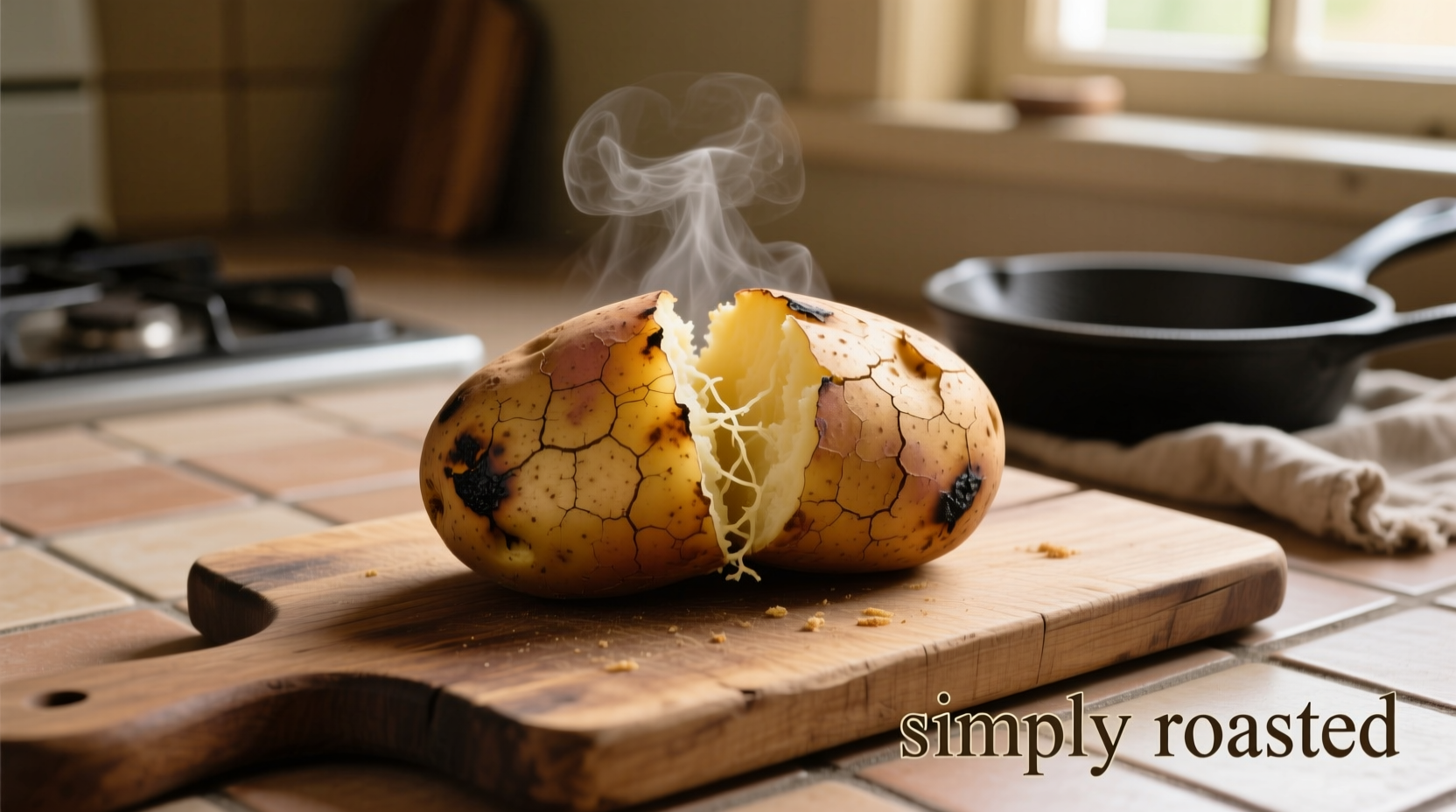
Why Russet Potatoes Dominate the Baking Game
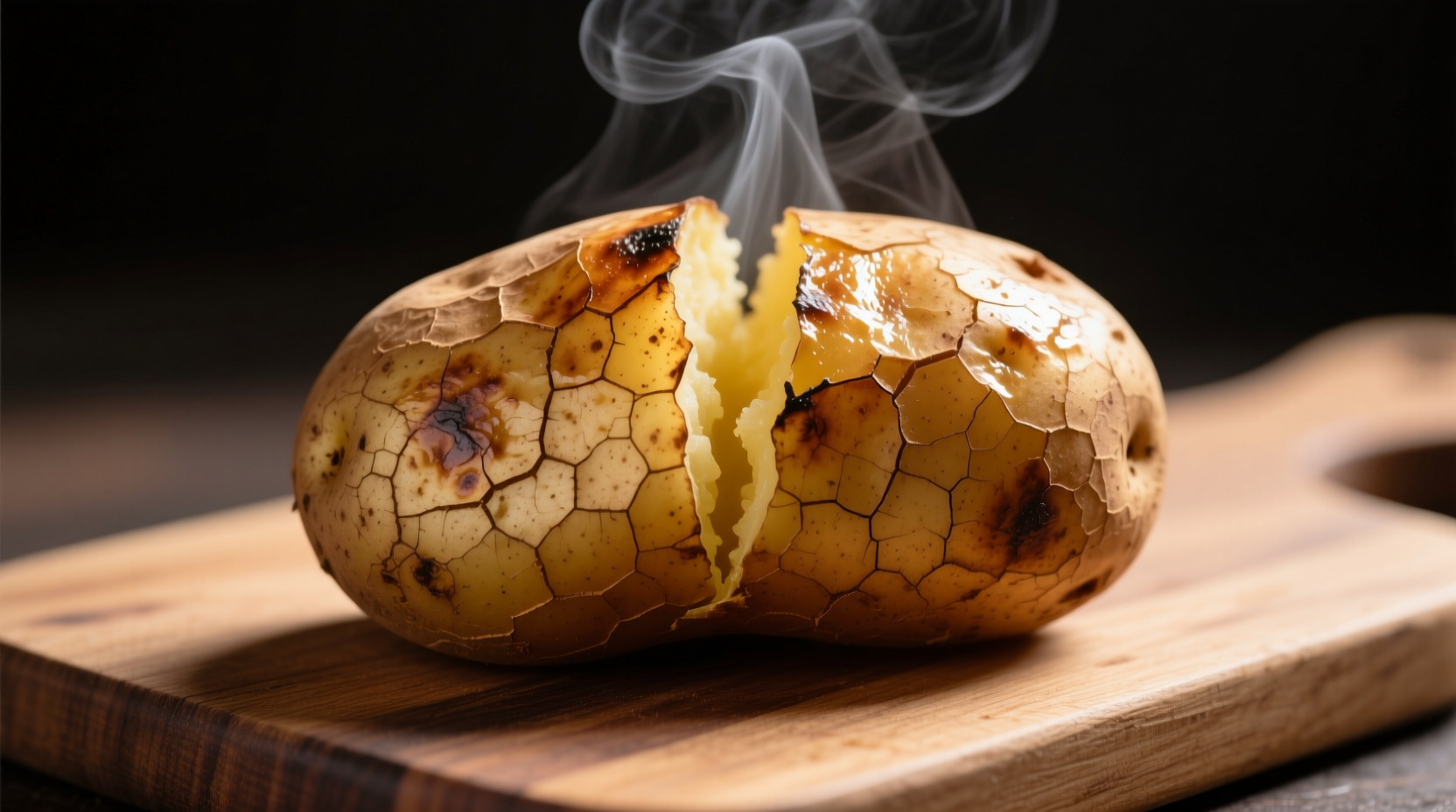
When it comes to baked potatoes, russets reign supreme for scientifically backed reasons. Their unique composition creates the textural contrast that makes a perfect baked potato: light, fluffy interior with a delightfully crisp skin. Unlike waxy varieties like red potatoes (which contain only 16-18% starch), russets' high starch content absorbs moisture during baking, creating those signature airy pockets.
Potato Variety Comparison: Baking Performance
| Potato Variety | Starch Content | Moisture Level | Skin Thickness | Baking Suitability |
|---|---|---|---|---|
| Russet (Idaho) | 22-24% | 79-80% | Thick | Excellent |
| Yukon Gold | 18-20% | 81-82% | Medium | Good |
| Red Potato | 16-18% | 83-84% | Thin | Fair |
| Sweet Potato | 15-17% | 85-86% | Medium | Specialty |
The Russet Potato Timeline: From Farm to Oven
The russet potato's journey to baking stardom began in the late 19th century when Louisa Ruiter developed the Russet Burbank variety in Idaho. According to the University of Idaho Potato Extension, this variety gained prominence after the 1903 Irish potato famine when farmers sought more disease-resistant options. By the 1940s, russets became the standard baking potato due to their superior storage capabilities and baking qualities. The USDA's Agricultural Research Service notes that modern russets have been selectively bred for consistent size and shape, making them ideal for commercial and home baking.
Step-by-Step Perfect Russet Baking Method
Follow this chef-tested method for flawless results every time:
- Selection: Choose uniform medium russets (8-10 oz) with firm, blemish-free skin
- Preparation: Scrub thoroughly under cold water (no soap), dry completely, and pierce 6-8 times with fork
- Seasoning: Rub with 1 tsp oil and sprinkle with coarse salt (creates crispy skin)
- Baking: Place directly on oven rack with baking sheet on lower rack to catch drips
- Temperature: Bake at 400°F (200°C) for 45-60 minutes until internal temperature reaches 205-210°F (96-99°C)
- Resting: Remove from oven and let rest 5-7 minutes before serving
Common Baking Mistakes and How to Avoid Them
Even experienced cooks make these critical errors that compromise your baked potato:
- Foil wrapping: Creates steam that makes skin soggy - skip it entirely
- Under-piercing: Causes potatoes to explode - make 6-8 deep piercings
- Incorrect sizing: Oversized potatoes bake unevenly - stick to 8-10 oz specimens
- Rushing the process: Low temperatures create dense texture - maintain 400°F minimum
Nutritional Profile: Russet Baked Potato Facts
According to the USDA FoodData Central, a medium (173g) baked russet potato with skin provides:
- 168 calories
- 4.3g fiber (17% of daily value)
- 45% of daily vitamin C needs
- 37% of daily potassium requirements
- Naturally fat-free and cholesterol-free
Leaving the skin on increases fiber content by 50% compared to peeled potatoes. The resistant starch formed during cooling provides additional gut health benefits, as documented in the Journal of Nutrition.
When Russets Aren't the Best Choice
While russets excel for traditional baking, they have specific limitations. For twice-baked potatoes where you'll be mixing the flesh with other ingredients, Yukon Golds provide a naturally buttery flavor and creamier texture. When making potato salads that require maintaining shape after cooking, waxy red potatoes perform better. The Oregon State University Extension Service notes that russets' high starch content makes them prone to becoming waterlogged if overcooked, so precise timing is essential.
Professional-Grade Serving Suggestions
Elevate your baked russet with these chef-approved combinations:
- Classic: Sour cream, chives, and crispy bacon bits
- Mediterranean: Tzatziki, olives, and feta cheese
- Southwest: Black beans, corn, avocado, and chipotle crema
- Healthy: Steamed broccoli, lemon zest, and toasted almonds
For maximum flavor absorption, slice open immediately after baking and season the steaming interior before adding toppings. The heat helps seasonings penetrate the fluffy interior.




 浙公网安备
33010002000092号
浙公网安备
33010002000092号 浙B2-20120091-4