
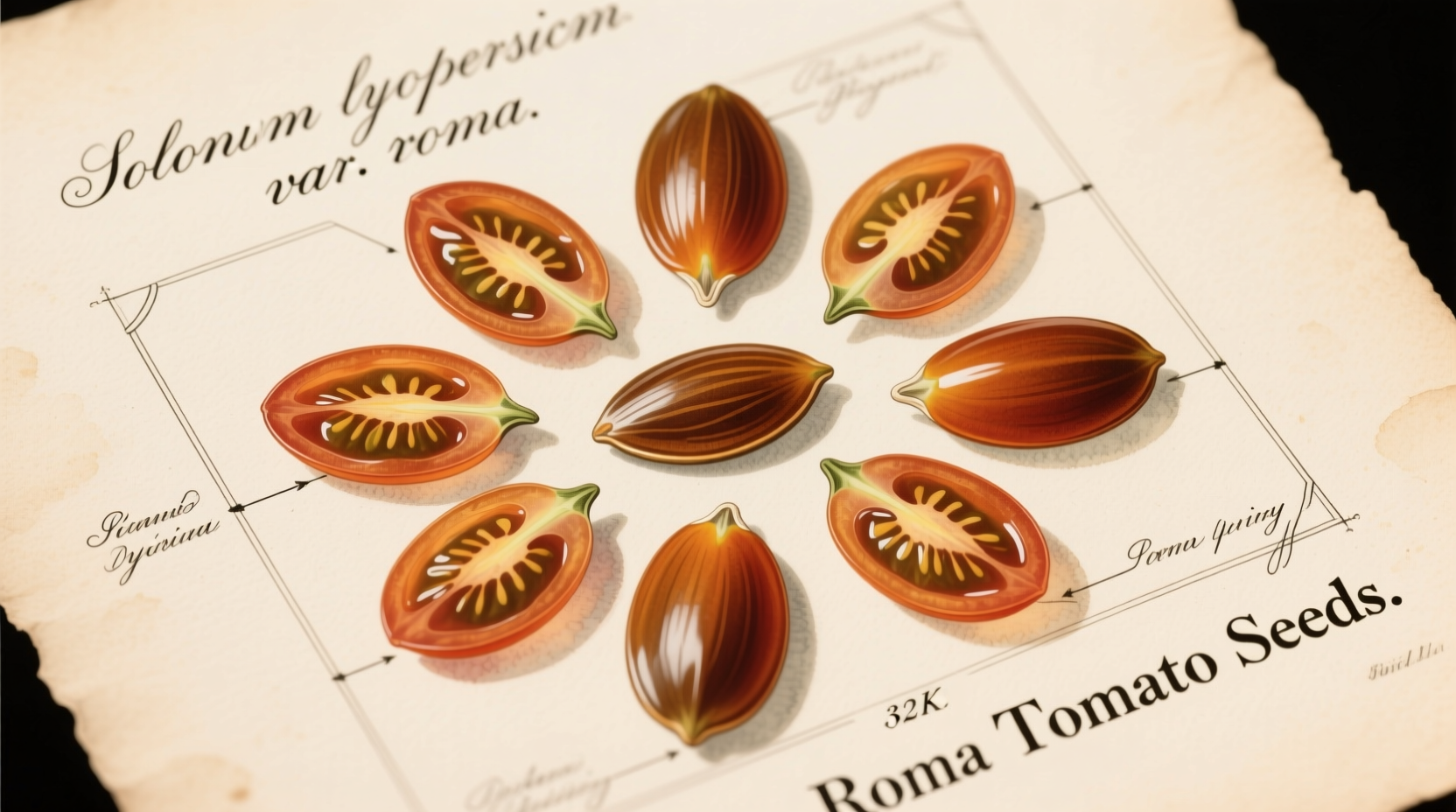
Why Roma Tomatoes Stand Out in Your Garden
When you plant Roma tomato seeds, you're choosing a workhorse variety that delivers consistent results. Originating from Italy, these oblong tomatoes earned their reputation as the "sauce tomato" for good reason. Their dense, meaty flesh contains less water and fewer seeds than standard slicing tomatoes, translating to richer flavors in cooked applications. Home gardeners consistently report higher yields per square foot compared to indeterminate varieties—critical when space is limited.
Professional growers and culinary experts prefer Romas for canning because they require less reduction time. According to the USDA's Agricultural Research Service, Roma tomatoes contain approximately 5.8% soluble solids (Brix), significantly higher than the 4.2% found in standard round tomatoes. This natural sugar concentration creates deeper flavors without added sweeteners—a game-changer for homemade sauces.
Selecting Quality Roma Tomato Seeds: What Matters Most
Not all Roma tomato seeds deliver equal results. The difference between mediocre and exceptional harvests often starts with seed selection. Here's what discerning gardeners verify before purchasing:
| Seed Characteristic | Standard Roma | Improved Varieties | Why It Matters |
|---|---|---|---|
| Disease Resistance | VFN (Verticillium, Fusarium, Nematodes) | VFFAAS (Additional resistance) | Prevents common soil-borne pathogens |
| Days to Maturity | 75-80 days | 68-72 days | Earlier harvest in short-season climates |
| Fruit Weight | 2-3 oz | 3-4 oz | More yield per fruit |
| Crack Resistance | Moderate | High | Withstands rain without splitting |
Look for varieties like 'Roma VF' (classic), 'Amish Paste' (heirloom alternative), or 'San Marzano' (premium sauce tomato) depending on your needs. The University of California Cooperative Extension recommends purchasing seeds from companies that publish germination rates—reputable suppliers typically guarantee 85%+ viability. Always check the harvest year on seed packets; Roma seeds maintain best germination for 3-4 years when stored properly.
Planting Roma Tomato Seeds: A Foolproof Timeline
Timing determines your Roma tomato success more than any other factor. Follow this science-backed planting sequence:
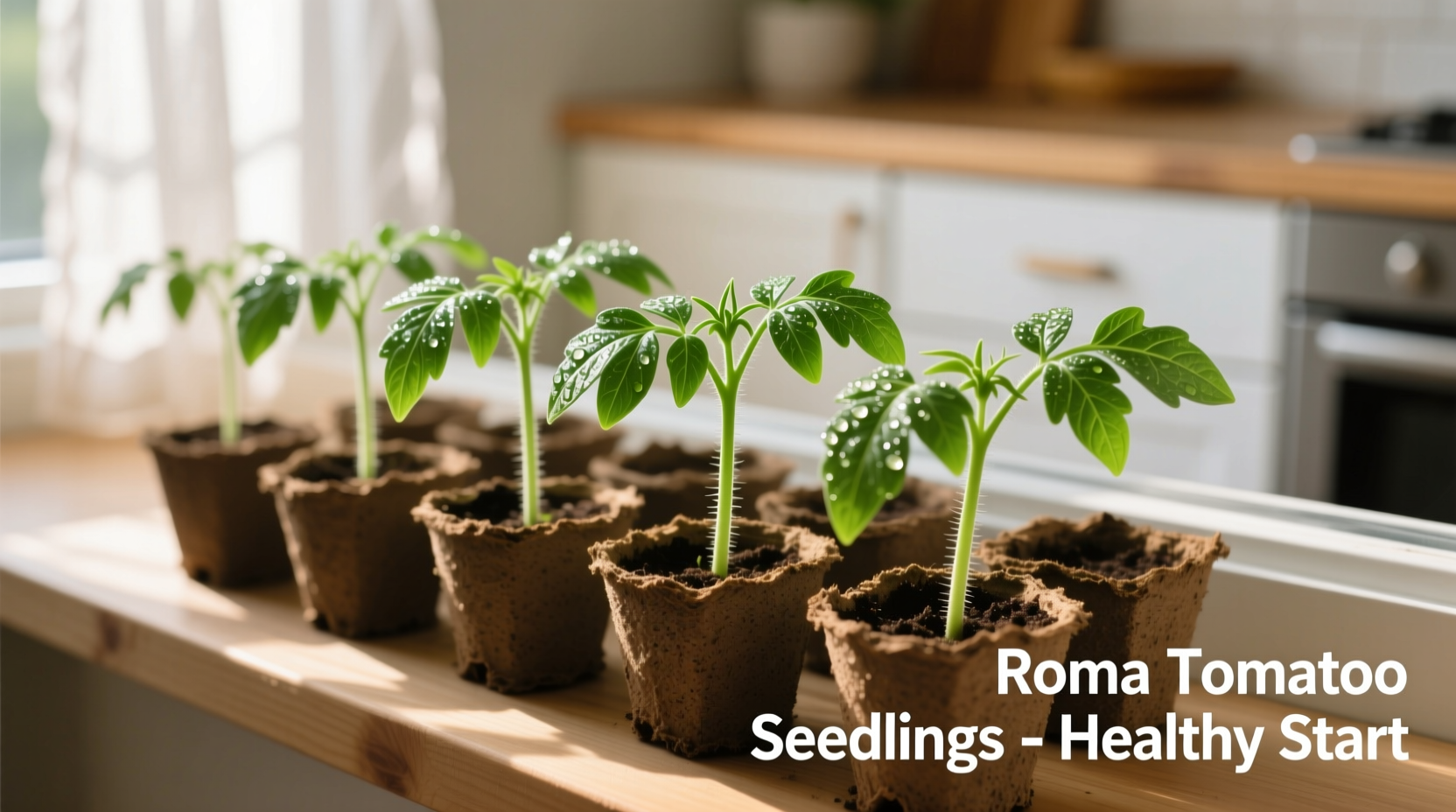
- 6-8 weeks before last frost: Start seeds indoors at 70-80°F soil temperature
- 4 weeks before transplant: Begin hardening off seedlings gradually
- Last frost date + 1 week: Transplant outdoors after soil reaches 60°F
- Flowering stage: Maintain consistent moisture (1-2 inches/week)
- 70-80 days after transplant: Harvest first ripe fruits
The Cornell University Gardeners' Resource emphasizes that Roma tomatoes develop best when nighttime temperatures stay above 55°F. In cooler climates, use black plastic mulch to warm soil—this simple technique advances harvests by 10-14 days according to USDA field trials. Always plant Roma seedlings deeper than their nursery pots; unlike most vegetables, tomatoes form additional roots along buried stems, creating stronger plants.
Maximizing Roma Tomato Yields: Proven Care Techniques
Roma tomatoes thrive with specific care practices that differ from other varieties. Implement these research-backed methods:
Watering Wisdom
Consistent moisture prevents blossom end rot—the #1 complaint among Roma growers. The University of Minnesota Extension recommends:
- 1-1.5 inches of water weekly (more during fruit set)
- Drip irrigation preferred over overhead watering
- Mulch with straw to maintain even soil moisture
Fertilizing Strategy
Romas need balanced nutrition without excessive nitrogen. Follow this schedule:
- At transplant: High-phosphorus starter solution
- First flowers: Balanced 5-10-10 fertilizer
- Fruit set: Low-nitrogen formula (like 0-10-10)
Pruning and Support
Unlike indeterminate varieties, Roma tomatoes require minimal pruning but need sturdy support. Use:
- Cages at least 5 feet tall (determinate plants still grow upward)
- Florida weave for multiple plants in rows
- Remove only diseased or ground-touching leaves
Harvesting and Using Your Roma Tomatoes
Roma tomatoes reach peak flavor when harvested at 'breaker stage'—when 30-50% of the fruit shows color change. Unlike beefsteak varieties, they continue ripening perfectly off-vine. For best results:
- Pick before heavy rain to prevent cracking
- Store at room temperature (never refrigerate)
- Process within 24 hours for optimal sauce quality
Culinary professionals prefer Romas for sauces because their lower moisture content reduces cooking time by 30-40% compared to standard tomatoes. When making marinara, you'll need approximately 6 pounds of Roma tomatoes to yield 1 quart of sauce—significantly less than the 10 pounds required for round varieties.
Troubleshooting Common Roma Tomato Problems
Even with proper care, Roma tomatoes face specific challenges. Address these issues promptly:
Blossom End Rot
Symptom: Dark, sunken spots on fruit bottoms
Solution: Maintain consistent soil moisture and ensure calcium availability. Apply gypsum (calcium sulfate) at planting—1 cup per 10 feet of row. Avoid high-nitrogen fertilizers that exacerbate the problem.
Early Blight
Symptom: Concentric rings on lower leaves with yellowing
Solution: Remove affected leaves immediately. Apply copper fungicide weekly. Prevent with mulch and proper spacing (24-36 inches between plants).
Poor Fruit Set
Symptom: Flowers drop without setting fruit
Solution: Hand-pollinate by gently vibrating stems during midday. Temperatures above 90°F or below 55°F disrupt natural pollination.
Your Roma Tomato Journey Starts Today
Starting with quality Roma tomato seeds transforms your gardening experience. These reliable producers deliver abundant harvests of versatile fruit perfect for sauces, canning, or fresh eating. By following these research-backed techniques—from proper seed selection to strategic harvesting—you'll enjoy superior yields and flavors that outperform standard tomato varieties. Remember that Roma tomatoes thrive with consistent care rather than intensive intervention, making them ideal for both beginner and experienced gardeners seeking dependable results.




 浙公网安备
33010002000092号
浙公网安备
33010002000092号 浙B2-20120091-4