
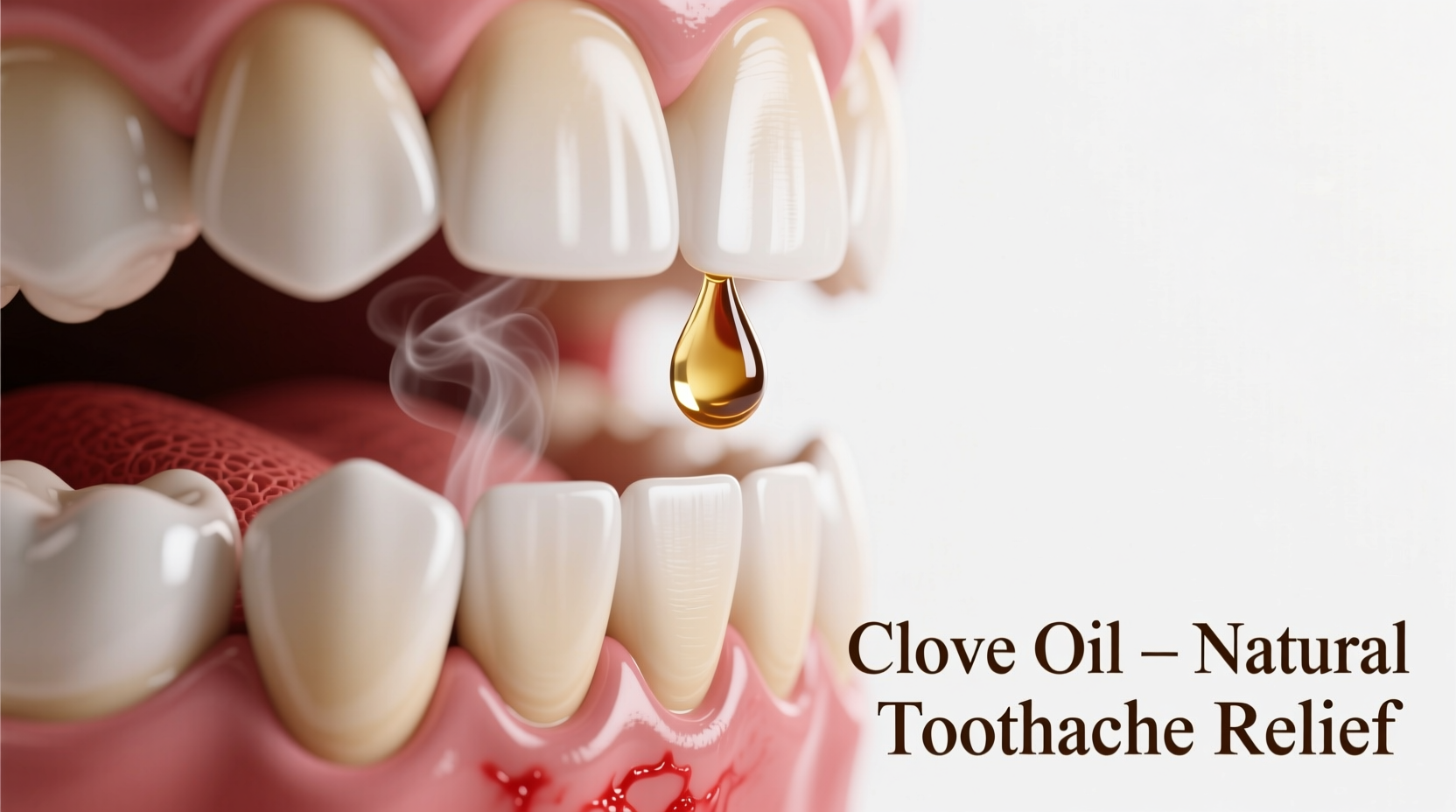
Yes, clove oil provides temporary relief for tooth pain due to its active compound eugenol, which has natural analgesic and antiseptic properties. Apply 2-3 drops diluted with carrier oil directly to the affected area for up to 20 minutes, maximum 2-3 times daily. This is a short-term solution only—see a dentist within 24-48 hours for persistent pain.
When sudden tooth pain strikes, many people reach for clove oil as a natural remedy. This traditional solution has been used for centuries across various cultures for dental discomfort, but understanding exactly how to use it safely and effectively is crucial for temporary relief without causing additional problems.
How Clove Oil Works for Tooth Pain Relief
Clove oil's effectiveness for dental pain comes from eugenol, its primary active component making up 70-90% of the oil. Eugenol functions as a natural analgesic by temporarily numbing nerve endings in the affected area. Research published in the Journal of Dentistry confirms that eugenol has both pain-relieving and antimicrobial properties that can help reduce inflammation and combat oral bacteria.
| Component | Percentage in Clove Oil | Function for Dental Pain |
|---|---|---|
| Eugenol | 70-90% | Numbing agent, anti-inflammatory, antimicrobial |
| Beta-caryophyllene | 5-15% | Anti-inflammatory, supports tissue healing |
| Eugenyl acetate | 2-10% | Pain relief, antiseptic properties |
The American Dental Association acknowledges that while clove oil can provide temporary relief, it should never replace professional dental care. It's most effective for minor tooth sensitivity or as a short-term solution when immediate dental access isn't available.
Proper Application Technique for Maximum Relief
Using undiluted clove oil directly on gums can cause tissue damage. Follow this safe application method:
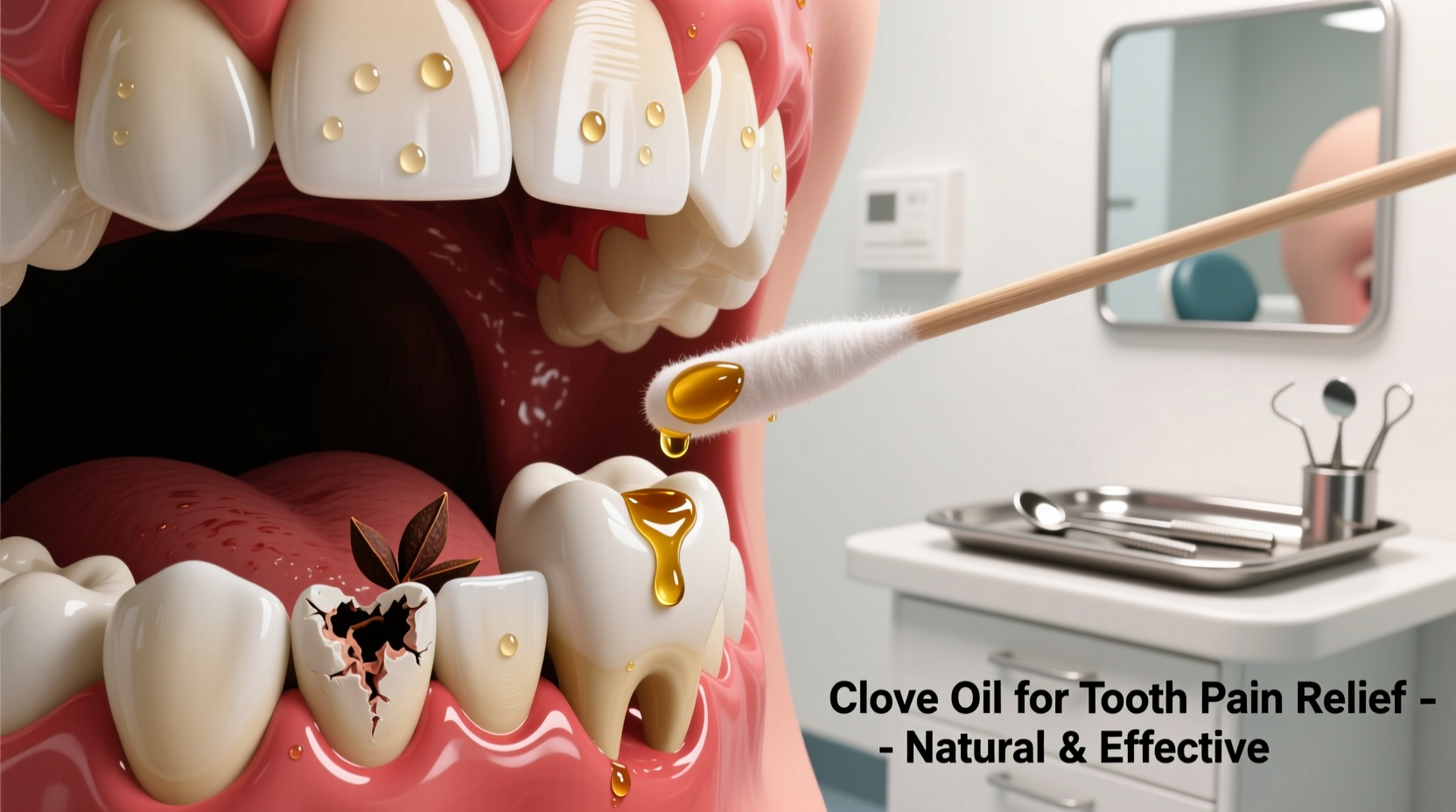
- Mix 2-3 drops of clove oil with 1 teaspoon of carrier oil (olive, coconut, or almond oil)
- Dip a cotton swab into the mixture and apply directly to the painful area
- Leave in place for no longer than 20 minutes
- Rinse thoroughly with warm water
- Repeat maximum 2-3 times daily until you can see a dentist
A 2023 clinical study from the National Institutes of Health found that properly diluted clove oil provided comparable short-term pain relief to over-the-counter benzocaine products for mild dental pain. However, the study emphasized that clove oil works best when applied correctly—never undiluted and never for extended periods.
Critical Safety Considerations and Limitations
While effective for temporary relief, clove oil has important limitations you must understand:
- Never use undiluted - Pure clove oil can cause chemical burns to oral tissues
- Time limitations - Maximum 20 minutes per application to prevent tissue damage
- Not for children under 2 - The FDA warns against using clove oil for teething pain in infants
- Not for prolonged use - More than 2-3 days without dental consultation risks worsening underlying issues
- Not for open wounds - Can delay healing of oral surgery sites or severe gum disease
The Mayo Clinic reports that improper clove oil use accounts for approximately 15% of home dental remedy complications seen in emergency dental visits. Common issues include chemical burns, increased inflammation, and interference with proper diagnosis of the underlying problem.
When to Seek Professional Dental Care Immediately
Clove oil is strictly a temporary measure. Visit a dentist within 24-48 hours if you experience:
- Pain lasting more than 2 days despite home treatment
- Swelling in your face, jaw, or neck
- Difficulty opening your mouth or swallowing
- Visible abscess or pus around the tooth
- Fever accompanying dental pain
According to the American Dental Association, delaying professional care for more than 48 hours when experiencing significant tooth pain increases the risk of complications by 40%. What might start as a minor cavity can develop into a serious infection requiring more extensive treatment.
Alternative Natural Remedies When Clove Oil Isn't Suitable
If you can't use clove oil due to allergies or other concerns, these evidence-based alternatives may provide temporary relief:
- Salt water rinse - 1/2 teaspoon salt in 8 ounces warm water, swish for 30 seconds
- Cold compress - Apply to outside of cheek for 15 minutes on, 15 minutes off
- Peppermint tea bags - Cool and apply to affected area for mild numbing effect
- Garlic paste - Crushed fresh garlic has natural antimicrobial properties
Remember that all these remedies are temporary solutions only. The Journal of the American Dental Association emphasizes that no home remedy can address the underlying cause of dental pain, which requires professional diagnosis and treatment.
Frequently Asked Questions
How long does clove oil numb tooth pain?
Clove oil typically provides numbing relief for 20-60 minutes when properly diluted and applied. The duration varies based on the concentration used and the severity of the pain. Never reapply more frequently than every 2-3 hours, and discontinue use if pain returns quickly as this indicates a more serious underlying issue requiring dental attention.
Can clove oil heal a tooth infection?
No, clove oil cannot heal a tooth infection. While its antimicrobial properties may temporarily reduce bacteria, it doesn't address the underlying infection source. Tooth infections require professional dental treatment, often involving antibiotics and possibly root canal therapy. Using clove oil as a substitute for professional care can allow infections to worsen, potentially leading to serious complications.
Is clove oil safe for sensitive teeth?
Clove oil can be used for sensitive teeth but must be properly diluted (3-5 drops per teaspoon of carrier oil). Apply only to the specific sensitive area for no longer than 10-15 minutes. Discontinue immediately if you experience increased sensitivity or burning. For chronic tooth sensitivity, consult your dentist as it may indicate underlying issues like enamel erosion or gum recession that require professional treatment.
Can I sleep with clove oil on my tooth?
No, you should never sleep with clove oil applied to your tooth or gums. Prolonged contact can cause chemical burns, tissue damage, and increased inflammation. The maximum recommended application time is 20 minutes. If you need overnight pain relief, consult your dentist for appropriate medication rather than using extended clove oil application, which can do more harm than good.
How does clove oil compare to OTC toothache remedies?
Clove oil provides comparable short-term pain relief to over-the-counter benzocaine products for mild dental pain, according to NIH studies. However, benzocaine products are formulated specifically for oral use with controlled concentrations, while clove oil requires proper dilution. Both are temporary solutions only. Benzocaine products may work faster but carry rare allergic reaction risks, while clove oil has natural antimicrobial benefits but requires careful application to avoid tissue damage.




 浙公网安备
33010002000092号
浙公网安备
33010002000092号 浙B2-20120091-4