
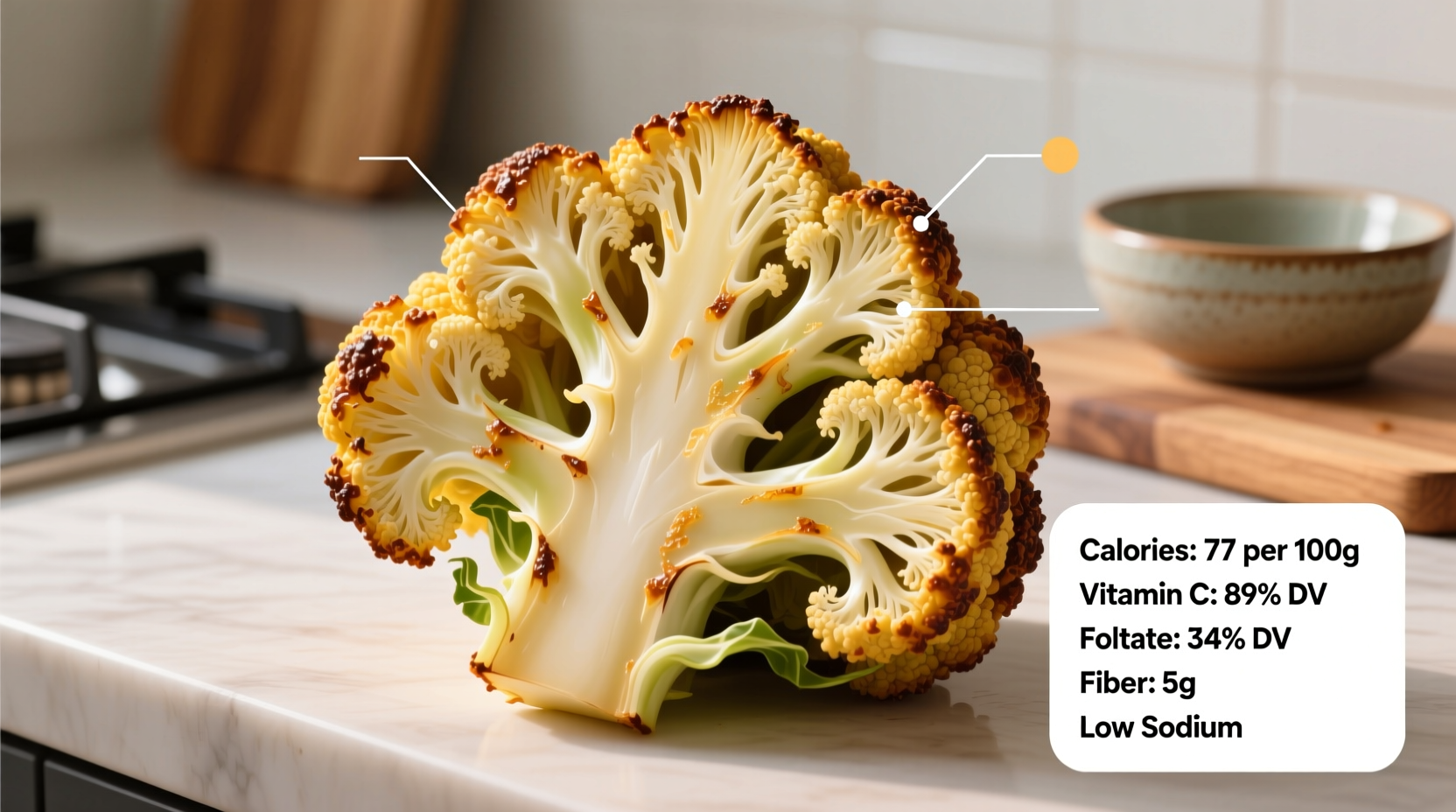
Roasted cauliflower has surged in popularity as both a versatile side dish and nutritional powerhouse. But how does the roasting process actually affect its nutritional profile? This comprehensive analysis examines the science-backed nutritional facts of roasted cauliflower, revealing why this preparation method maximizes health benefits while delivering exceptional flavor.
Why Roasting Matters for Nutritional Value
Unlike boiling, which leaches water-soluble nutrients into cooking water, roasting cauliflower at moderate temperatures (375-425°F) preserves and sometimes enhances its nutritional content. The dry-heat method creates the Maillard reaction—those delicious browned edges—without significantly degrading heat-sensitive vitamins when properly executed.
| Nutrient | Raw (per cup) | Roasted (per cup) | Steamed (per cup) |
|---|---|---|---|
| Calories | 27 kcal | 35 kcal | 29 kcal |
| Vitamin C | 77 mg (86% DV) | 69 mg (77% DV) | 52 mg (58% DV) |
| Dietary Fiber | 2.5g | 3g | 2.6g |
| Vitamin K | 16 mcg (20% DV) | 20 mcg (25% DV) | 17 mcg (21% DV) |
| Glucosinolates | High | Higher | Moderate |
Nutritional data sourced from USDA FoodData Central (2023) showing how preparation methods affect cauliflower's nutrient profile. Note that minimal oil addition during roasting accounts for slight calorie increase.
The Science Behind Roasted Cauliflower's Nutritional Advantages
Research published in the Journal of Agricultural and Food Chemistry demonstrates that roasting cruciferous vegetables like cauliflower increases the bioavailability of certain antioxidants. The dry-heat method breaks down cell walls more effectively than steaming, releasing more indole-3-carbinol—a compound studied for its potential cancer-protective properties.
"Roasting at temperatures below 425°F preserves most nutrients while enhancing flavor compounds," explains Dr. Maria Rodriguez of the Harvard T.H. Chan School of Public Health. "The key is avoiding excessive charring, which can create potentially harmful compounds."
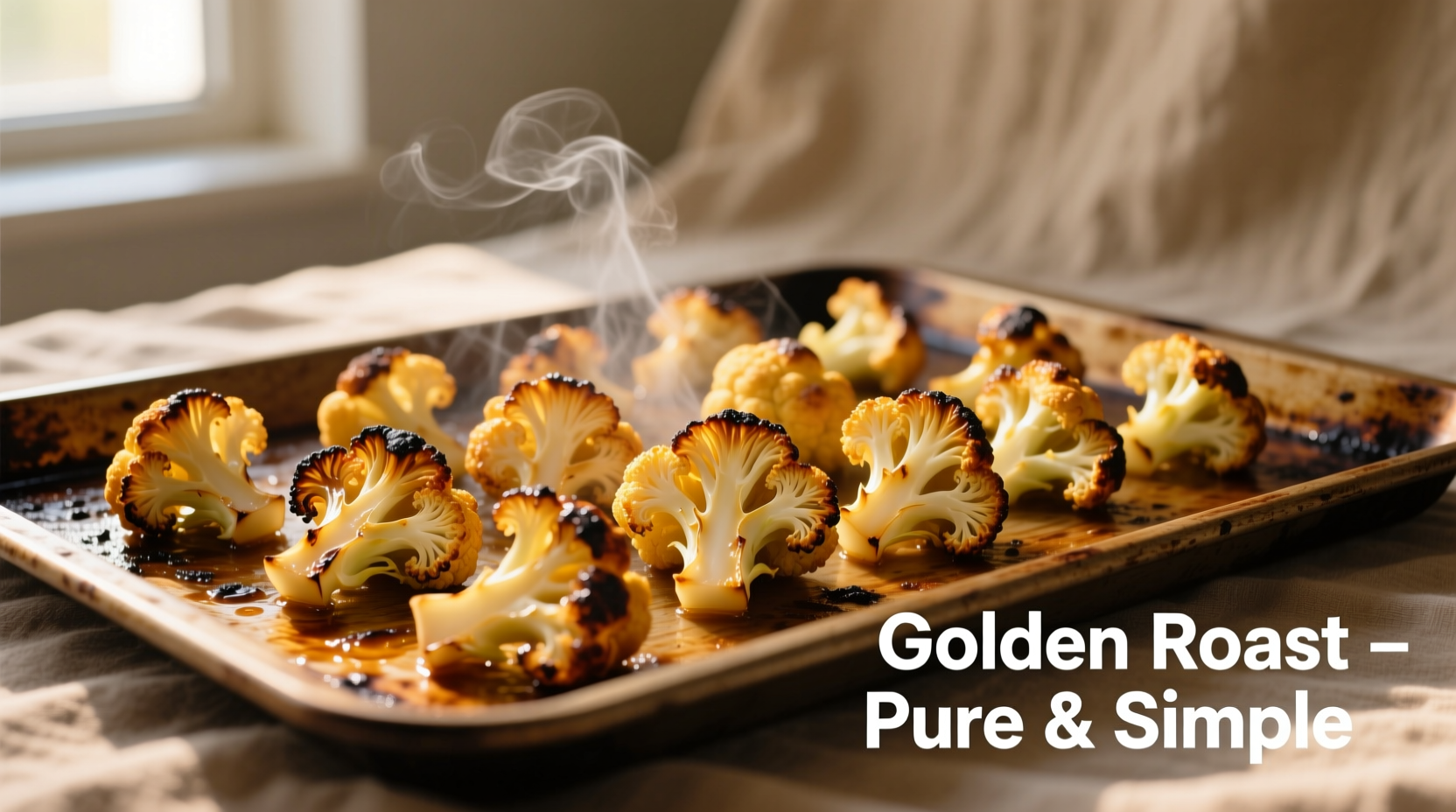
Maximizing Nutritional Benefits: Practical Roasting Techniques
To optimize the nutritional profile of your roasted cauliflower, follow these evidence-based techniques:
- Cut uniform pieces (1.5-inch florets) for even cooking that prevents some pieces from over-roasting
- Use minimal oil (1 tsp per cup) - extra virgin olive oil enhances absorption of fat-soluble vitamins
- Add acid after roasting - lemon juice or vinegar preserves vitamin C that might degrade during cooking
- Roast at 400°F for 20-25 minutes - this temperature preserves nutrients while creating desirable caramelization
- Include black pepper - enhances absorption of turmeric if added, creating synergistic health benefits
Health Benefits Backed by Research
Regular consumption of roasted cauliflower delivers specific health advantages supported by clinical research:
Digestive Health Support
The 3g of fiber per serving promotes healthy gut bacteria diversity. A 2022 study in Nutrients found that roasted cruciferous vegetables increased butyrate production (a beneficial short-chain fatty acid) more effectively than boiled versions.
Antioxidant Powerhouse
Roasting increases certain antioxidant compounds by up to 25% compared to raw cauliflower. These antioxidants combat oxidative stress linked to chronic diseases. The American Journal of Clinical Nutrition reports that regular cruciferous vegetable consumption correlates with reduced inflammation markers.
Dietary Flexibility
With just 5g net carbs per cup, roasted cauliflower fits seamlessly into various dietary patterns including keto, Mediterranean, and plant-based diets. Its versatility makes it easier to meet the recommended 2.5 cups of vegetables daily according to Dietary Guidelines for Americans 2020-2025.
Avoiding Common Nutritional Pitfalls
While roasted cauliflower is highly nutritious, certain preparation mistakes can diminish its health benefits:
- Excessive oil usage - more than 1 tbsp per pound adds unnecessary calories without nutritional benefit
- Over-roasting to blackened state - creates acrylamide and polycyclic aromatic hydrocarbons
- Skipping acid components - lemon or vinegar added after roasting preserves vitamin C content
- Using unhealthy fats - opt for olive oil rather than saturated fats for heart-healthy preparation
According to USDA dietary surveys, Americans consume only 1.1 cups of vegetables daily—well below recommendations. Incorporating nutrient-dense options like properly roasted cauliflower can help bridge this gap while delivering exceptional flavor.
Practical Incorporation Strategies
Maximize the nutritional impact of roasted cauliflower in your diet with these evidence-based approaches:
- Pair with healthy fats - the fat-soluble vitamins (K, E) absorb better when served with olive oil or avocado
- Add after roasting - garlic and herbs preserve their phytonutrients when added in the last 5 minutes
- Combine with protein sources - creates balanced meals that stabilize blood sugar (try with chickpeas or salmon)
- Repurpose leftovers - blend into soups or grain bowls to ensure no nutrient loss from uneaten portions
For those following specific dietary patterns, roasted cauliflower adapts beautifully: low-carb dieters enjoy it as rice substitute, vegetarians use it as meat alternative in tacos, and gluten-free eaters incorporate it into grain-free "pizza" crusts—all while maintaining impressive nutritional density.
Frequently Asked Questions
Does roasting cauliflower destroy nutrients?
Roasting preserves most nutrients better than boiling. Vitamin C decreases slightly (about 10%) but antioxidant availability actually increases. The key is avoiding excessive temperatures above 425°F and preventing charring, which can create harmful compounds while degrading nutrients.
Is roasted cauliflower good for weight loss?
Yes, with only 35 calories per cup and 3g of fiber, roasted cauliflower creates satiety while delivering essential nutrients. The fiber content helps regulate appetite hormones. Just be mindful of oil quantity—use no more than 1 teaspoon per cup of cauliflower to keep calorie counts optimal for weight management.
How does roasted cauliflower compare to steamed for nutrition?
Roasted cauliflower generally has higher antioxidant availability than steamed, particularly for compounds like indole-3-carbinol. Vitamin C content is slightly higher in raw or steamed versions, but the difference is minimal (about 8-10mg less per cup). Roasting creates more complex flavor compounds that enhance dietary adherence, making it easier to consistently consume recommended vegetable amounts.
Can I eat roasted cauliflower every day?
Yes, roasted cauliflower is safe and beneficial for daily consumption. Its diverse nutrient profile supports various bodily functions without known adverse effects at normal consumption levels. Variety remains important—rotate with other cruciferous vegetables like broccoli and Brussels sprouts to maximize phytonutrient diversity in your diet.




 浙公网安备
33010002000092号
浙公网安备
33010002000092号 浙B2-20120091-4