
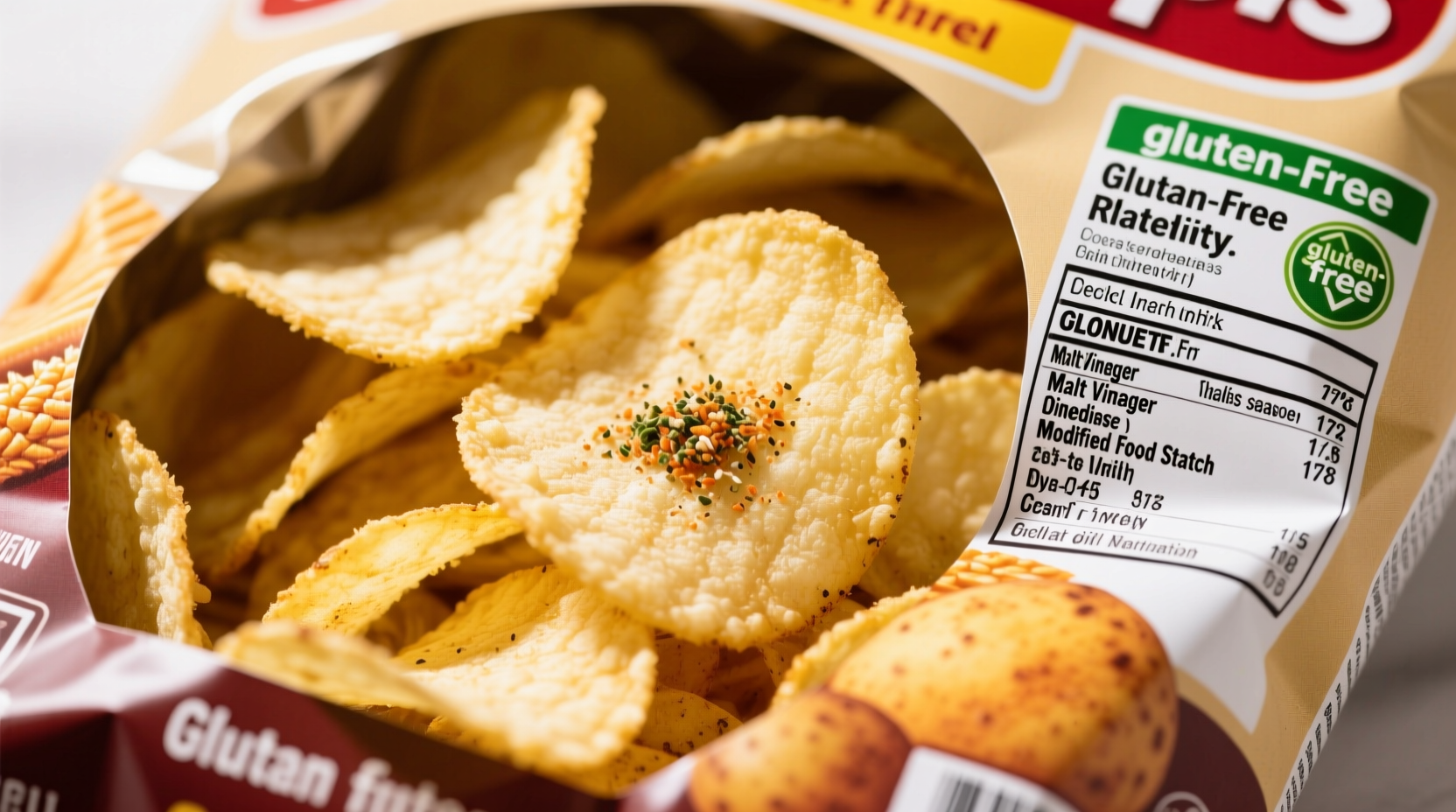
Discover exactly which potato chips are safe for your gluten-free diet and how to confidently identify hidden gluten sources in snack aisles. This guide provides evidence-based information to help you make informed choices without compromising on taste.
Understanding Potato Chips and Gluten Basics
Gluten is a protein found in wheat, barley, and rye that gives dough its elasticity. For the approximately 1% of people with celiac disease and millions more with non-celiac gluten sensitivity, even small amounts can trigger serious health issues.
Potatoes themselves are naturally gluten-free, making plain potato chips a potentially safe snack option. The basic ingredients—potatoes, oil, and salt—contain no gluten. However, the manufacturing process and additional ingredients can introduce gluten into what should be a simple snack.
Common Gluten Sources in Potato Chips
While the base ingredients of potato chips are gluten-free, several factors can make them unsafe:
- Flavored varieties - Many seasonings contain wheat-derived ingredients as thickeners or flavor carriers
- Cross-contamination - Shared equipment with gluten-containing products
- Manufacturing additives - Some brands use malt vinegar (made from barley) or modified food starch
- Coating ingredients - Certain kettle-cooked varieties use flour-based coatings
According to the Celiac Disease Foundation, "Many processed foods contain hidden sources of gluten, including snack foods like flavored potato chips. Always check labels carefully, even for products that seem naturally gluten-free."
How Potato Chip Manufacturing Affects Gluten Content
The production process significantly impacts whether potato chips remain gluten-free. Understanding these manufacturing stages helps identify potential risks:
| Manufacturing Stage | Gluten Risk Level | Key Considerations |
|---|---|---|
| Raw potato preparation | None | Potatoes are naturally gluten-free |
| Slicing and frying | Low to Moderate | Risk of cross-contamination if same oil used for battered products |
| Seasoning application | High | Many flavor blends contain wheat derivatives or malt |
| Packaging | Low | Generally safe unless shared lines with gluten products |
Reading Labels Like a Gluten-Free Expert
When shopping for gluten-free potato chips, follow these evidence-based strategies:
- Look for certified gluten-free labels - Products bearing the GFCO (Gluten-Free Certification Organization) logo must contain less than 10ppm of gluten, stricter than the FDA's 20ppm standard
- Check for hidden gluten sources - Watch for terms like "malt," "hydrolyzed vegetable protein," "soy sauce," and "natural flavors" which may contain gluten
- Verify manufacturing statements - "May contain wheat" or "Processed in a facility that also processes wheat" indicates potential cross-contamination
- Research brand policies - Some companies like Cape Cod and Late July publish detailed gluten information on their websites
The FDA's gluten-free labeling rule requires that products labeled "gluten-free" contain less than 20 parts per million (ppm) of gluten. However, for those with celiac disease, even this small amount can cause damage, making third-party certification valuable.
Trusted Brands and Flavors for Gluten-Free Snacking
Based on extensive label research and manufacturer verification, these options generally provide safe choices:
- Plain varieties from most major brands (Lay's, Ruffles, Pringles) are typically gluten-free but check for facility statements
- Certified gluten-free brands like Cape Cod Original, Late July Sea Salt, and Kettle Brand Sea Salt
- Alternative chip options including potato-based Terra Chips and certain Popchips varieties
Remember that formulations change, so always verify the current ingredients list. The Gluten Intolerance Group maintains an updated database of verified gluten-free products at gluten.org.
Restaurant and Store-Bought Chip Considerations
When eating out or purchasing from specialty stores, additional precautions are necessary:
- Ask about shared fryers - Many restaurants use the same oil for gluten-containing battered items and potato chips
- Verify preparation methods - Some "kettle-cooked" chips use flour-based coatings
- Check for dedicated production lines - Brands like Terra Chips manufacture in dedicated gluten-free facilities
- Be cautious with "seasoned" or "gourmet" varieties - These often contain hidden gluten sources
A 2023 study published in the Journal of Human Nutrition and Dietetics found that 32% of products labeled "gluten-free" in snack categories contained detectable gluten levels, highlighting the importance of third-party certification for those with celiac disease.
Practical Tips for Safe Gluten-Free Chip Consumption
Implement these strategies to enjoy potato chips safely:
- Develop a relationship with customer service departments of your favorite brands
- Create a personal database of verified safe products using your smartphone
- When in doubt, choose plain varieties from manufacturers with dedicated gluten-free facilities
- Consider making your own chips at home to eliminate cross-contamination risks
For those newly diagnosed with celiac disease, the transition to gluten-free snacking can feel overwhelming. Start with certified products and gradually expand your options as you become more familiar with safe ingredients and manufacturing practices.




 浙公网安备
33010002000092号
浙公网安备
33010002000092号 浙B2-20120091-4