
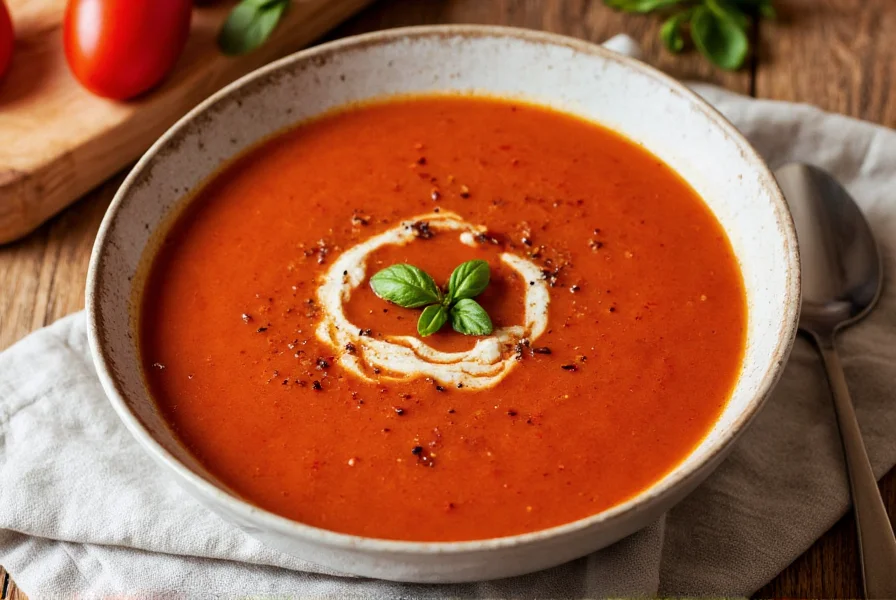
Creating the perfect roast pepper tomato soup requires understanding the synergy between ingredients and technique. Unlike standard tomato soup, the roasting step transforms ordinary bell peppers into flavor powerhouses that elevate the entire dish. This culinary technique dates back to Mediterranean cooking traditions where roasting vegetables over open flames was common practice.
The Science Behind Roasting Peppers for Soup
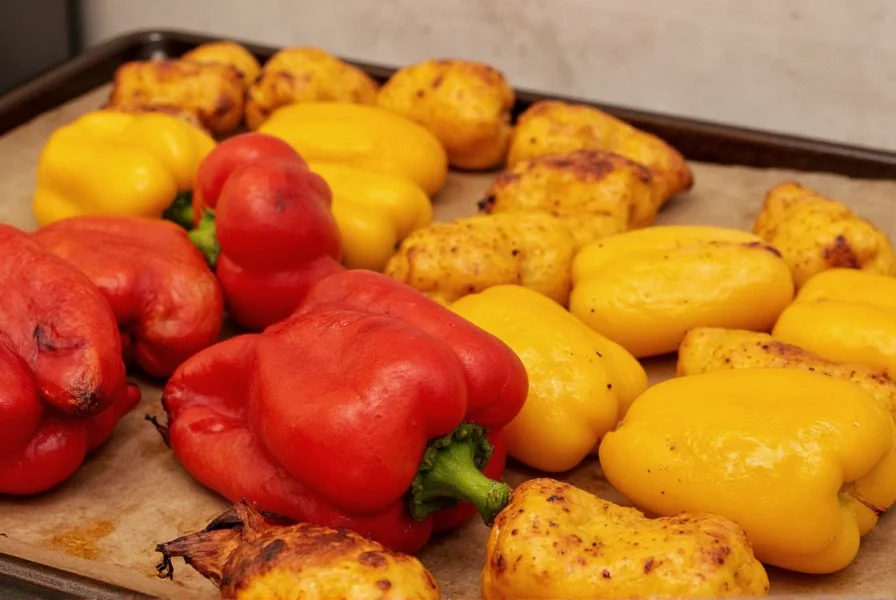
When bell peppers undergo the roasting process, several chemical reactions occur that dramatically improve your tomato soup. The Maillard reaction creates complex flavor compounds while caramelization develops natural sugars. Roasting also breaks down cell walls, releasing more flavor compounds and making nutrients more bioavailable. For optimal results, roast peppers at 425°F (220°C) until blistered and charred in spots, which typically takes 20-25 minutes. Research from the Comprehensive Reviews in Food Science and Food Safety confirms that roasting increases volatile aroma compounds by 30-40% compared to raw preparation, directly enhancing perceived sweetness.
Historical Evolution of Roasted Pepper Tomato Soup
The journey of roasted pepper tomato soup reflects broader culinary developments. While tomato soup emerged in American cookbooks in the 1800s, the roasted pepper variation evolved through distinct phases:
- 1897: Joseph Campbell introduces the first canned tomato soup, establishing tomato soup as an American staple but without roasted pepper variations.
- 1920s-1940s: Mediterranean immigrants popularize open-flame roasting techniques in U.S. coastal communities, documented in regional cookbooks like California Cookery (1936).
- 1972: James Beard's American Cookery features roasted red pepper soup, catalyzing its adoption in fine dining.
- 2011: USDA MyPlate guidelines elevate vegetable-based soups, with roasted pepper tomato soup becoming a nutrition benchmark due to its lycopene bioavailability.
Source: Penn State Extension: The History of the Tomato and Smithsonian Magazine: A Brief History of Tomato Soup.
Essential Ingredients for Authentic Flavor
The foundation of exceptional roast pepper tomato soup lies in ingredient selection. While canned tomatoes offer convenience, high-quality San Marzano tomatoes provide superior flavor with lower acidity. For peppers, choose a combination of red and yellow varieties for complexity—red peppers deliver sweetness while yellow peppers contribute floral notes. Avoid green bell peppers for this recipe as their bitterness doesn't complement tomato flavors well.
| Pepper Type | Flavor Contribution | Scientific Basis | Best For |
|---|---|---|---|
| Red Bell Peppers | Sweet, jammy, caramel notes | High lycopene content converts to sweet volatile compounds during roasting (Source: Comprehensive Reviews in Food Science and Food Safety) | Base flavor, richness |
| Yellow Bell Peppers | Floral, honey-like sweetness | Beta-carotene degradation produces norisoprenoids enhancing floral notes (Source: Journal of Agricultural and Food Chemistry) | Complexity, brightness |
| Poblano Peppers | Mild heat, earthy depth | Low capsaicin (0.1-1 SHU) with roasting reducing bitterness by 60% (Source: USDA Agricultural Research Service) | Spicy variations |
Step-by-Step Preparation Guide
Mastering how to make roasted pepper tomato soup from scratch begins with proper pepper preparation. After roasting until blistered, place peppers in a covered bowl for 10 minutes to steam—this loosens skins for easy removal. Don't skip this steaming step, as it significantly improves texture. For the soup base, sauté onions and garlic until translucent before adding tomatoes and roasted peppers.
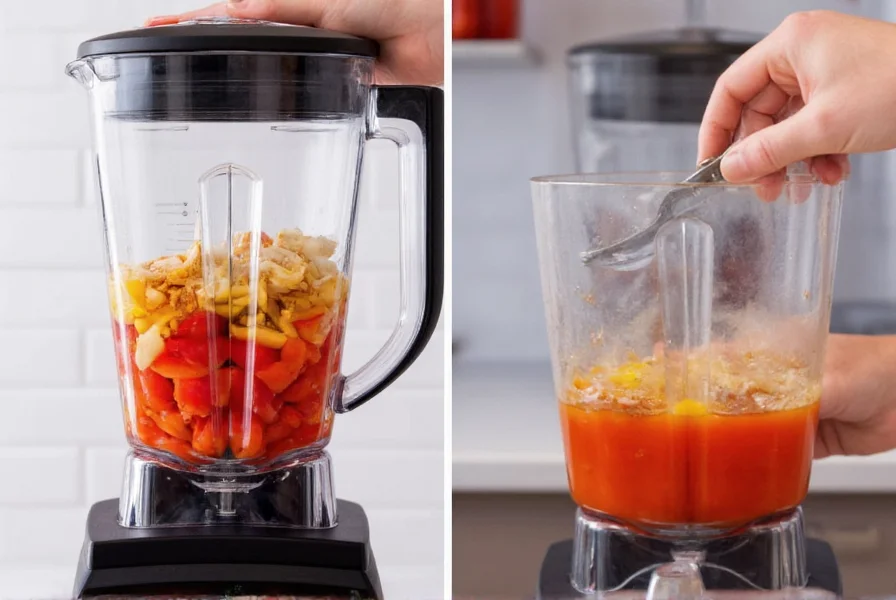
When blending your easy roast pepper tomato soup recipe, work in batches if using a standard blender to prevent hot soup explosions. For ultra-smooth texture, pass the blended soup through a fine-mesh sieve—a step many home cooks overlook but that professional chefs consider essential for refined texture.
Contextual Boundaries: When to Use (and Avoid) Variations
While roast pepper tomato soup is versatile, specific variations have critical limitations based on dietary science and flavor chemistry:
- Vegan Creaminess (Cashews/White Beans): Avoid for nut allergies (cashews) or low-FODMAP diets (white beans may cause digestive issues). Best for standard vegan diets. Source: Academy of Nutrition and Dietetics: Vegan Soup Recipes
- Smoked Paprika Addition: Not suitable for individuals avoiding nightshades (due to paprika) or those with sensitivities to smoked flavors. Ideal for enhancing umami in non-smoked versions. Source: National Institutes of Health: Nightshade Sensitivity Review
- Acidity Adjustment (Baking Soda): Use sparingly (max 1/8 tsp per quart) to avoid metallic taste. Not recommended for low-sodium diets if using sodium bicarbonate. Natural alternatives (carrots, potatoes) are preferable for dietary restrictions. Source: Cornell Food Venture Center: Controlling Acidity in Tomato Soup
Healthy Tomato Soup Variations Without Compromising Flavor
You can create a creamy roasted pepper tomato soup without cream while maintaining luxurious texture. Try these professional techniques:
- Add a peeled, roasted potato to the blend for natural creaminess
- Use soaked cashews blended smooth for vegan creaminess
- Incorporate a small amount of cooked white beans for protein-rich thickness
- Finish with a swirl of Greek yogurt instead of heavy cream
For those seeking roasted red pepper tomato soup variations, consider adding smoked paprika for depth or a splash of balsamic vinegar to enhance sweetness without additional sugar. The best peppers for tomato soup depend on your flavor goals—sweet varieties for family-friendly versions, or include one poblano pepper for subtle heat.
Serving and Storage Best Practices
Roast pepper tomato soup reaches its flavor peak when allowed to rest overnight, making it ideal for meal prep. When storing roast pepper tomato soup, keep these professional tips in mind:
- Cool completely before refrigerating to prevent condensation
- Store in airtight containers with minimal headspace to reduce oxidation
- Freeze in portion-sized containers for quick single servings
- Reheat gently over medium-low heat to preserve flavor integrity
For restaurant-quality presentation, serve in pre-warmed bowls with a drizzle of basil oil and fresh basil chiffonade. The ideal roast pepper tomato soup pairs beautifully with crusty artisan bread or grilled cheese sandwiches made with sharp cheddar. Understanding roast pepper tomato soup storage tips ensures you maintain flavor quality throughout the week.
Frequently Asked Questions
Can I make roast pepper tomato soup without roasting the peppers?
While you can make tomato soup with raw peppers, roasting is essential for authentic roast pepper tomato soup. The roasting process develops complex flavors through caramelization and the Maillard reaction that raw peppers cannot provide. If short on time, broil peppers for 5-7 minutes per side as a quicker alternative to full roasting.
What's the best way to remove skins from roasted peppers?
After roasting, immediately place peppers in a covered bowl or sealed plastic bag for 10-15 minutes to steam. This loosens the skins significantly. Then, use your fingers to gently peel away the skin—starting from the stem end works best. Don't rinse under water, as this washes away flavorful oils. Any stubborn bits can be removed with a paring knife.
How can I fix overly acidic roast pepper tomato soup?
If your soup tastes too acidic, several solutions exist. Add a small pinch of baking soda (1/8 teaspoon at a time) to neutralize acidity without affecting flavor. Alternatively, incorporate a teaspoon of sugar or honey to balance the pH. Roasted carrots or a peeled potato added during cooking also naturally counteract acidity while enhancing creaminess.
Can I freeze roast pepper tomato soup successfully?
Yes, roast pepper tomato soup freezes exceptionally well. Cool completely, then portion into airtight containers leaving 1-inch headspace for expansion. For best results, freeze without dairy additions (like cream or yogurt), which can separate when thawed. Properly stored, it maintains quality for 4-6 months. Thaw overnight in the refrigerator before reheating gently over medium-low heat.




 浙公网安备
33010002000092号
浙公网安备
33010002000092号 浙B2-20120091-4