
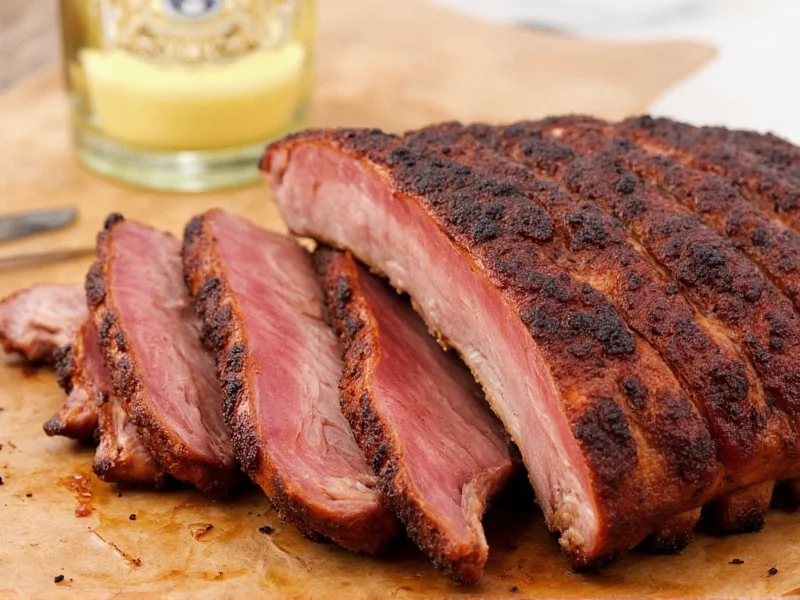
Understanding Rib Spray and Its Culinary Purpose
Rib spray serves as a barbecue essential for achieving perfectly cooked ribs. Unlike heavy mops or glazes, a well-formulated spray maintains moisture without creating a barrier that blocks smoke absorption. Professional pitmasters use sprays to combat the dry stall phenomenon that occurs when evaporative cooling halts the cooking process.
The science behind effective rib spraying involves balancing three key elements: moisture retention, flavor infusion, and evaporative cooling management. When ribs reach 150-170°F internally, surface moisture evaporates rapidly, causing the temperature to plateau. This phenomenon, known as the "stall," is explained by Oklahoma State University Extension as a result of evaporative cooling that halts cooking progression until moisture is replenished (Barbecue 101 Guide). Strategic spraying replenishes surface moisture, extending this stall period and allowing connective tissues to break down more completely.
Core Components of an Effective Rib Spray Formula
Successful rib spray recipes contain four functional elements working in harmony. Understanding these components helps customize your homemade rib spray ingredients for specific barbecue styles and personal preferences.
| Component Type | Purpose | Common Ingredients | Proportion Guidelines |
|---|---|---|---|
| Base Liquid | Moisture delivery | Apple juice, pineapple juice, broth | 40-50% of total volume |
| Acid Component | Tenderizing, flavor balance | Vinegar, citrus juice, wine | 30-40% of total volume |
| Flavor Enhancer | Depth and complexity | Worcestershire, soy sauce, hot sauce | 10-15% of total volume |
| Sweet Element | Counteracts acidity, promotes browning | Honey, maple syrup, brown sugar | 5-10% of total volume |
Historical Development of Rib Spraying in American Barbecue
The technique of spraying ribs during cooking evolved alongside the competitive barbecue movement. According to the Kansas City Barbeque Society, the modern competitive barbecue circuit began with the American Royal Invitational in 1985, which established standardized categories and judging criteria (KCBS History Documentation). This environment fostered innovation in moisture management:
- Late 1980s: Early competitors used water or vinegar sprays, but these often washed away seasoning rubs during extended cooks.
- Early 1990s: Apple juice and cider vinegar blends emerged as the standard base, balancing moisture retention with flavor enhancement without disrupting smoke absorption.
- Late 1990s-2000s: Regional variations (Memphis vinegar, Texas beer) became codified as national competitions expanded, with sprays tailored to local ingredient availability.
- 2010s-Present: Scientific understanding of evaporative cooling led to temperature-guided spraying schedules, moving beyond fixed time intervals to optimize collagen breakdown.
This progression reflects barbecue's transition from backyard cooking to a precision culinary discipline where moisture control became as critical as smoke management.
Master Rib Spray Recipe for Traditional BBQ
This versatile simple rib spray recipe for beginners works with all rib types and cooking methods. The balanced formula prevents bitterness while enhancing natural meat flavors.
Ingredients
- 1 cup apple juice (unsweetened)
- 1 cup apple cider vinegar
- 1/4 cup Worcestershire sauce
- 2 tablespoons hot sauce (preferably Frank's RedHot)
- 2 tablespoons brown sugar (dissolved in 2 tbsp warm water)
- 1 teaspoon garlic powder
- 1 teaspoon onion powder
- 1/2 teaspoon black pepper
Preparation Method
- Combine all ingredients in a non-reactive container
- Whisk thoroughly until sugar and powders dissolve completely
- Strain through fine mesh sieve to prevent clogging spray bottle
- Store in refrigerator for at least 2 hours before use to allow flavors to meld
- Pour into clean spray bottle just before cooking
Advanced Rib Spray Variations
Tailor your best rib spray recipe for smoking to match regional barbecue styles or personal taste preferences. These professional variations address specific cooking challenges while maintaining moisture balance.
Memphis-Style Vinegar Spray
Ideal for leaner cuts like baby backs, this vinegar based rib spray formula provides bright acidity without overwhelming sweetness:
- 1 cup white vinegar
- 1/2 cup water
- 2 tablespoons paprika
- 1 tablespoon cayenne pepper
- 1 tablespoon black pepper
- 1 teaspoon cumin
- Salt to taste
Mix dry ingredients first, then add liquids. Shake vigorously before each use as spices will settle.
Texas-Style Beer Spray
This variation leverages alcohol's flavor-carrying properties for deeper smoke penetration:
- 1 cup lager beer (room temperature)
- 1/2 cup beef broth
- 2 tablespoons mustard
- 1 tablespoon brown sugar
- 1 teaspoon smoked paprika
- 1/2 teaspoon garlic salt
Use within 24 hours for optimal carbonation benefits. The bubbles help distribute flavors evenly across rib surface.
Optimal Application Techniques
Knowing when to spray ribs during cooking matters as much as the recipe itself. Follow these professional guidelines for perfect results:
- Timing: Begin spraying after first hour of smoking, once bark has begun to form
- Frequency: Every 30-45 minutes during cooking plateau (150-170°F internal)
- Amount: Light misting - surface should glisten but not drip
- Temperature: Always use room temperature spray to avoid cooling meat surface
- Equipment: Use stainless steel sprayer with 0.5mm nozzle for finest mist
Avoid common mistakes like spraying too early (washes away rub) or over-spraying (creates steam barrier that blocks smoke). The best liquid for rib spray depends on your cooking timeline - shorter cooks benefit from stronger acid components while longer smokes need more neutral bases.
Troubleshooting Common Rib Spray Issues
Even with the perfect apple juice rib spray recipe, problems can occur. Here's how to address frequent challenges:
Rub Washing Away
If your seasoning rub dissolves when spraying, increase the cooking time before first application. Wait until a light bark has formed (usually 60-90 minutes). Alternatively, reduce spray intensity and use a finer mist setting.
Excessive Steaming
When how often to spray ribs when smoking becomes excessive, the meat surface steams rather than smokes. Solution: Extend intervals between sprays and reduce liquid volume per application. During critical smoke absorption phases (first 2-3 hours), consider using a water pan instead of direct spraying.
Bitter Flavor Development
Vinegar-based sprays can develop bitter notes if sprayed too late in cooking. To prevent this, switch to a neutral base (like broth or juice) during final cooking hour. The rib spray vs mop sauce distinction matters here - sprays should remain light while mops can be heavier during finishing stages.
Contextual Limitations and Appropriate Use Cases
While rib spray enhances many barbecue scenarios, Oklahoma State University Extension cautions that excessive spraying can wash away seasoning and cool meat surfaces, prolonging cooking time (Barbecue 101 Guide). Critical limitations include:
- Thin cuts: For baby back ribs (cooking under 4 hours), reduce spray frequency by 50% to preserve bark formation during the critical first 90 minutes.
- High humidity environments: When ambient humidity exceeds 70% (per USDA humidity monitoring standards), evaporative cooling diminishes, making spraying less effective for extending the stall phase.
- Gas grills: The consistent lower heat (225-250°F) reduces stall severity by 30-40% compared to offset smokers, requiring fewer applications (USDA Barbecue Safety Guidelines).
- Food safety thresholds: The USDA mandates meat temperatures remain above 140°F for safety; cold sprays risk dropping surface temperatures into the danger zone during extended stalls.
Understanding these boundaries ensures rib spray enhances rather than hinders your barbecue results.
Storage and Shelf Life Guidelines
Proper storage maintains your rib spray's effectiveness. Most formulas keep refrigerated for 5-7 days. Discard if you notice:
- Separation that doesn't recombine with shaking
- Foul or sour odors (beyond intentional vinegar notes)
- Mold growth or cloudiness
- Off flavors when tasted
For longer storage, freeze in ice cube trays then transfer to airtight bags. Thaw completely before use. Never reuse spray bottles that previously contained chemicals or cleaners, as residual flavors will transfer to your barbecue.




 浙公网安备
33010002000092号
浙公网安备
33010002000092号 浙B2-20120091-4