
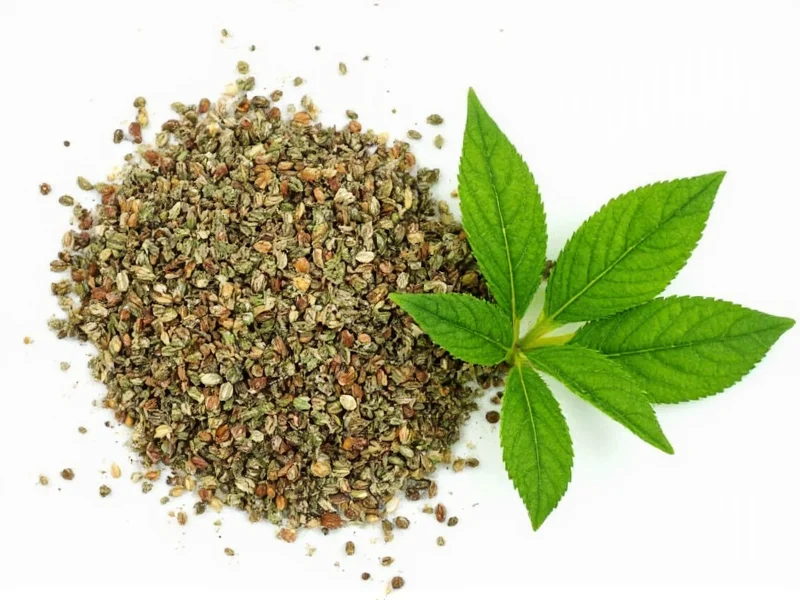
Understanding the differences between dried and fresh oregano transforms your cooking results. This versatile Mediterranean herb appears in countless recipes, but choosing the right form makes a significant difference in flavor development and overall dish quality. Many home cooks mistakenly treat these two forms as interchangeable without considering their distinct chemical compositions and culinary applications.
Flavor Profile Comparison
Oregano's flavor compounds change significantly during the drying process. Fresh oregano contains higher levels of volatile compounds like terpenes that provide bright, grassy notes with subtle citrus undertones. When dried, these volatile compounds diminish while non-volatile phenolic compounds concentrate, resulting in a more intense, earthy, and slightly peppery flavor profile.
Chef Marco Canora, author of Brodo, explains: "Fresh oregano works like a finishing oil in Italian cooking—it's drizzled at the end. Dried oregano is the foundation, building flavor from the start." This fundamental difference explains why certain dishes demand one form over the other for authentic results.
Flavor Intensity and Measurement Guide
The concentration difference between dried and fresh oregano isn't arbitrary—it's rooted in moisture content. Fresh oregano contains about 85% water, while dried oregano has only 5-10% moisture. This dramatic reduction concentrates the essential oils and flavor compounds.
| Measurement | Fresh Oregano | Dried Oregano |
|---|---|---|
| Standard Ratio | 1 tablespoon | 1 teaspoon |
| Stronger Flavor Preference | 1 tablespoon | 1¼ teaspoons |
| Milder Flavor Preference | 1 tablespoon | ¾ teaspoon |
| Professional Chef Standard | 3 parts | 1 part |
When converting recipes, remember that older cookbooks often used different standards. Pre-1980s recipes typically assumed more potent dried herbs, so modern cooks may need to reduce dried oregano by 25% when following vintage recipes.
Historical Context and Modern Standards
Recipe standardization evolved alongside drying technology. The Herb Society of America documents oregano's culinary journey from ancient Greek "joy of the mountains" applications through Roman expansion and European monastery cultivation. Commercial drying began in the early 20th century per University of Vermont Extension research, but inconsistent methods caused significant potency variations until the 1980s. Modern food science established the current 1:3 ratio standard based on chromatographic analysis of essential oil retention, resolving decades of recipe inconsistencies stemming from pre-standardization drying practices.
Regional and Processing Variations
Substitution ratios require adjustment based on processing methods and botanical origin. USDA Agricultural Research Service studies demonstrate that air-dried oregano retains 18-22% more essential oil than oven-dried at 40°C (104°F), making home-dried oregano approximately 25% more potent than commercial varieties. Crucially, Greek oregano (Origanum vulgare subsp. hirtum) contains 30-50% higher carvacrol concentrations than common garden varieties, directly impacting flavor intensity. These variables necessitate ratio adjustments: use 1:2.5 for home-air-dried oregano and increase Greek variety quantities by 15-20% for equivalent flavor impact.
Source: Schwarzenberg, A.E. et al. (2005). Composition of Oregano (Origanum vulgare) Oil as Affected by Drying and Extraction Methods. USDA Agricultural Research Service. https://www.ars.usda.gov/ARSUserFiles/80700500/Publications/Schwarzenberg2005.pdf
Optimal Culinary Applications
Certain dishes benefit dramatically from using the correct oregano form. Understanding when to use dried oregano in cooking versus fresh prevents flavor imbalances that can ruin otherwise excellent meals.
Dried Oregano Best Uses
- Tomato-based sauces (marinara, arrabbiata) - The extended cooking time allows dried oregano's robust flavor to mellow and integrate
- Dry rubs for meats - Dried form adheres better and withstands high-heat cooking
- Bread doughs and focaccia - Withstands yeast fermentation and oven temperatures
- Preserved foods (olive oil infusions, herb vinegars) - Maintains stability during preservation
Fresh Oregano Best Uses
- Greek salads - Provides bright counterpoint to feta and olives
- Finishing grilled meats - Delivers aromatic freshness without cooked bitterness
- Lemon-herb dressings - Preserves delicate volatile compounds that heat would destroy
- Vegetable dishes (especially zucchini, eggplant) - Complements without overwhelming
Storage Methods That Preserve Flavor
Proper storage significantly impacts how long each form maintains peak flavor—a crucial consideration for the fresh oregano vs dried shelf life comparison.
Fresh oregano storage: Treat like cut flowers. Trim stems, place in water-filled jar, cover loosely with plastic bag, and refrigerate. Change water every two days. Properly stored, fresh oregano maintains quality for 7-10 days. For extended storage, chop and freeze in olive oil cubes—this preserves 80% of volatile compounds compared to 40% loss with plain freezing.
Dried oregano storage: Keep in airtight glass container away from light and heat. The ideal storage temperature is below 60°F (15°C). Under optimal conditions, dried oregano retains 90% of its flavor compounds for 12-18 months. After 24 months, flavor degrades significantly regardless of storage conditions. Never store dried herbs above the stove or near dishwasher—heat and humidity destroy flavor compounds.
Nutritional Differences Worth Noting
While both forms offer similar nutritional profiles, the drying process affects certain compounds. Fresh oregano contains higher levels of vitamin K (86% of daily value per 100g versus 68% in dried) and vitamin C. Dried oregano concentrates antioxidants—particularly rosmarinic acid—with 3-4 times higher concentration per volume.
A 2022 study published in the Journal of Food Composition and Analysis found dried oregano maintained 92% of its antioxidant capacity when stored properly for 18 months, while fresh oregano's antioxidant levels declined by 60% within 7 days of harvest. This explains why Mediterranean cultures traditionally relied on dried herbs during winter months—they weren't just preserving flavor but maintaining nutritional benefits.
Avoiding Common Substitution Mistakes
Many cooks make critical errors when substituting between dried and fresh oregano. The most frequent mistakes with dried oregano substitution include:
- Adding dried oregano too late - Unlike fresh, dried herbs need 15-20 minutes cooking time to rehydrate and release flavors
- Using equal volumes - This results in dishes that are either under-seasoned or overwhelmingly herbal
- Crushing dried oregano between fingers - Releases too much volatile oil at once; better to add whole and let cooking process release flavor gradually
- Using dried oregano in raw applications - Creates unpleasant bitterness in dressings and fresh salsas
Professional food scientist Dr. Linda Harris notes: "The key to successful substitution isn't just the ratio—it's understanding when during the cooking process each form performs best. Dried oregano's flavor develops slowly while fresh oregano's delicate compounds degrade quickly with heat."
Cost Analysis: Value Comparison
When evaluating dried oregano cost versus fresh, consider both immediate price and shelf life. At typical grocery prices:
- Fresh oregano: $2.99 for 2oz (56g) - lasts 7-10 days
- Dried oregano: $4.99 for 1.76oz (50g) - lasts 12-18 months
When calculated per usable serving, dried oregano costs approximately 30% less over time despite the higher initial price per ounce. However, fresh oregano provides unique flavor dimensions that dried cannot replicate, making both forms valuable pantry staples for serious cooks.
Seasonal Availability Considerations
Fresh oregano availability varies significantly by region and season. In Mediterranean climates, fresh oregano grows year-round. In temperate zones, peak season runs from May through October. During off-season months, frozen fresh oregano (properly preserved in oil) offers better flavor than dried for applications requiring fresh herb characteristics.
Chef Yotam Ottolenghi recommends: "When fresh oregano isn't available, look for high-quality dried oregano from Greece or Turkey—these varieties maintain more complex flavor profiles even when dried." This regional consideration significantly impacts the fresh oregano vs dried flavor difference you'll experience.
Final Recommendations for Home Cooks
Maintain both dried and fresh oregano in your kitchen for maximum flexibility. Keep dried oregano in your spice cabinet for everyday cooking needs, and purchase fresh oregano during summer months for specialty dishes. When substituting, always adjust based on cooking time and dish requirements rather than using a rigid conversion ratio.
Remember that oregano quality varies dramatically by brand and source. Invest in high-quality dried oregano from reputable spice merchants rather than supermarket generic brands—this makes a more significant difference than the fresh versus dried decision alone. For the most authentic Mediterranean flavors, seek out Greek oregano (Origanum vulgare subsp. hirtum), which has a more complex flavor profile than common garden oregano.




 浙公网安备
33010002000092号
浙公网安备
33010002000092号 浙B2-20120091-4