
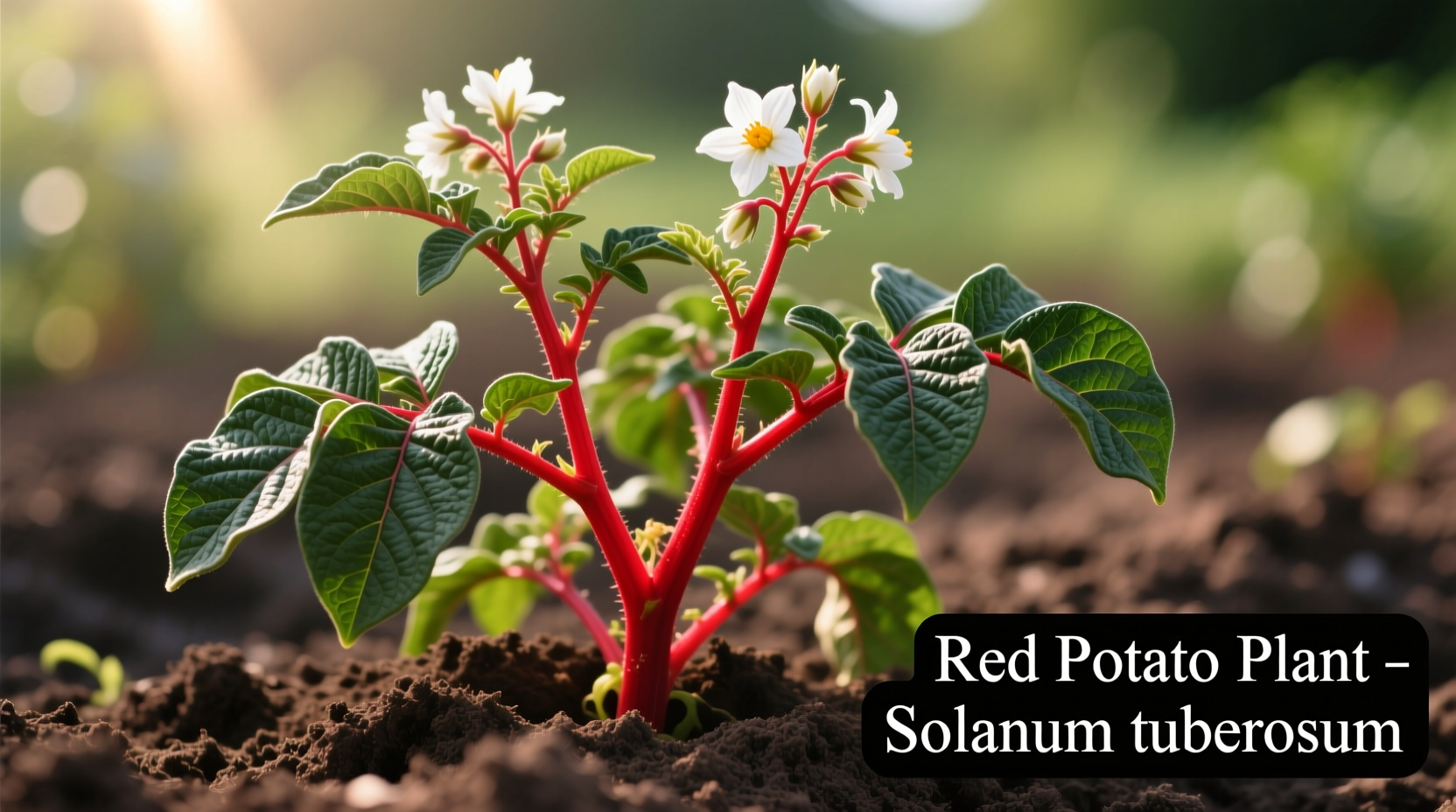
Red potato plants (Solanum tuberosum) produce tubers with thin, smooth red skin and white to pale yellow flesh. They typically mature in 70-100 days, prefer cool climates with temperatures between 60-70°F (15-21°C), and require well-drained, slightly acidic soil (pH 5.0-6.0) for optimal growth. Unlike russet varieties, red potatoes maintain their shape when cooked, making them ideal for salads and boiling.
Why Red Potato Plants Deserve a Spot in Your Garden
Discover exactly what makes red potato plants a versatile, reliable choice for home gardeners. Whether you're a first-time grower or expanding your vegetable patch, this guide delivers actionable insights you can implement immediately. You'll learn the precise planting techniques, care requirements, and harvesting methods that lead to abundant yields of these flavorful tubers.
Planning Your Red Potato Garden
Successful red potato cultivation starts with proper planning. Unlike other potato varieties, red potatoes thrive in cooler soil temperatures and offer distinct advantages for specific culinary applications.
| Red Potato Variety | Days to Maturity | Best Use | Disease Resistance |
|---|---|---|---|
| Norland | 70-80 | Salads, boiling | Good against scab |
| Red Pontiac | 90-100 | Roasting, baking | Moderate |
| Chieftain | 85-95 | All-purpose | Excellent against late blight |
| All Red | 90 | Colorful presentations | Fair |
This comparison of popular red potato varieties comes from the USDA Agricultural Research Service, which maintains comprehensive data on potato cultivars and their characteristics.
Optimal Planting Conditions for Red Potatoes
Timing your planting correctly makes the difference between a modest harvest and an abundant yield. Red potato plants require specific conditions that differ slightly from other potato types.
When to Plant Red Potatoes
Plant red potato seed pieces 2-4 weeks before your last expected frost date when soil temperatures reach at least 45°F (7°C). Unlike russets, red varieties tolerate slightly cooler soil temperatures but won't sprout in cold, wet conditions. In warmer climates (zones 7+), plant in late winter for spring harvest or in early fall for winter harvest.
Soil Preparation Essentials
Red potatoes perform best in loose, well-drained soil with plenty of organic matter. Before planting:
- Test your soil pH (aim for 5.0-6.0)
- Incorporate 3-4 inches of compost into the top 8-10 inches of soil
- Avoid fresh manure which can cause scab
- Create raised beds in areas with heavy rainfall
Planting Technique That Maximizes Yield
Cut seed potatoes into 1.5-2 inch pieces with at least one "eye" per piece. Allow cut surfaces to dry for 24-48 hours before planting to prevent rot. Plant pieces 3-4 inches deep, eyes up, with 10-12 inches between plants in rows spaced 24-36 inches apart.
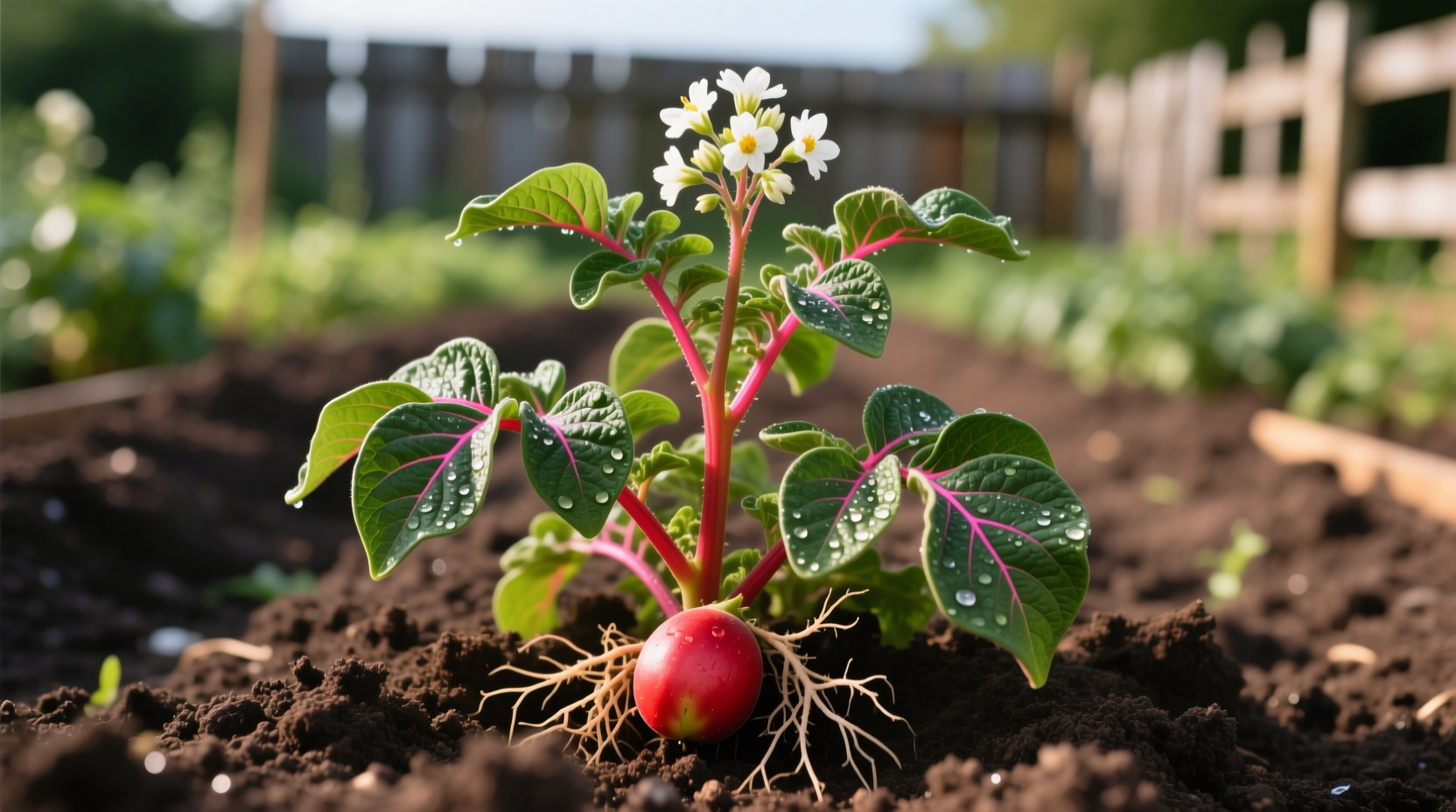
Caring for Red Potato Plants Through the Growing Season
Proper care during the growing season ensures healthy plants and quality tubers. Red potatoes have specific needs that differ from other varieties.
Watering Requirements
Consistent moisture is critical, especially during tuber formation (3-5 weeks after planting). Provide 1-2 inches of water weekly, increasing during hot, dry periods. Avoid overhead watering to prevent disease. Stop watering 2 weeks before harvest to allow skins to harden.
Fertilizing Strategy
Apply a balanced fertilizer (10-10-10) at planting time, then side-dress with nitrogen-rich fertilizer when plants reach 6-8 inches tall. Avoid excessive nitrogen which promotes foliage over tubers. Red potatoes benefit from additional potassium for improved disease resistance.
Pest and Disease Management
Red potatoes face several common challenges:
- Potato beetles: Hand-pick adults and larvae or use row covers
- Blights: Rotate crops annually and avoid overhead watering
- Scab: Maintain consistent moisture and avoid high-pH soils
- Wireworms: Use bait stations or practice crop rotation
According to Cornell University's College of Agriculture and Life Sciences, red-skinned varieties generally show better resistance to common scab than russets but may be more susceptible to certain blights.
Harvesting and Storing Your Red Potatoes
Knowing when and how to harvest affects both yield and storage life. Red potatoes offer unique advantages for immediate use but require specific handling for storage.
When to Harvest Red Potatoes
For new potatoes: Harvest 7-8 weeks after planting when plants flower. For mature storage potatoes: Wait until foliage yellows and dies back (typically 90-120 days after planting). Gently dig around plants with a fork, being careful not to pierce tubers.
Proper Curing Process
After harvest, cure potatoes in a dark, humid (85-95% humidity), well-ventilated area at 50-60°F (10-15°C) for 10-14 days. This process thickens skins and improves storage life. Never wash potatoes before curing.
Storage Conditions for Maximum Shelf Life
Store cured potatoes in a cool, dark place at 45-50°F (7-10°C) with high humidity. Red potatoes typically store for 2-3 months under proper conditions. Check regularly for spoiled tubers and remove them immediately. Unlike russets, red potatoes maintain their texture better when refrigerated for short periods.
Troubleshooting Common Red Potato Problems
Even with proper care, challenges may arise. Here's how to address the most frequent issues:
Why Are My Red Potato Plants Turning Yellow?
Yellowing can indicate several issues:
- Natural senescence as harvest approaches
- Nitrogen deficiency (older leaves yellow first)
- Verticillium wilt (V-shaped yellowing starting from leaf edges)
- Overwatering (general yellowing with wilting)
Identify the specific pattern to determine the appropriate solution.
Why Are My Red Potatoes Small?
Small tubers often result from:
- Overcrowding (thin plants to proper spacing)
- Inconsistent watering (maintain even soil moisture)
- Nutrient imbalance (test soil and adjust fertilization)
- Early harvest (allow full maturity for larger tubers)
Special Considerations for Different Growing Regions
Red potato plants adapt well to various climates but require adjustments based on your location:
- Northern climates: Plant early varieties for full maturity before frost
- Southern climates: Plant in fall for winter harvest to avoid summer heat
- Container growing: Use 5-gallon buckets with drainage holes; harvest "new potatoes" earlier
- Organic growing: Focus on soil health and crop rotation to prevent disease
The University of California Cooperative Extension notes that red varieties generally perform better in coastal climates with moderate temperatures compared to extreme heat regions.
Red Potato Plant Growing Timeline
Understanding the growth stages helps optimize care throughout the season:
- Weeks 1-3: Sprouting and emergence - keep soil moist but not soggy
- Weeks 4-6: Vegetative growth - side-dress with nitrogen
- Weeks 7-9: Tuber initiation - maintain consistent moisture
- Weeks 10-12: Tuber bulking - ensure adequate potassium
- Weeks 13-14: Maturation - reduce watering as foliage yellows
Frequently Asked Questions
Can I grow red potatoes from store-bought potatoes?
While possible, it's not recommended. Store-bought potatoes are often treated with sprout inhibitors and may carry diseases. Certified seed potatoes guarantee disease-free stock and true-to-type varieties, significantly improving your chances of a successful harvest.
How deep should I plant red potato seed pieces?
Plant seed pieces 3-4 inches deep in loose soil. In heavier soils, plant slightly shallower (2-3 inches). As plants grow, hill soil around the base to cover emerging tubers and prevent greening. Proper planting depth prevents tubers from being exposed to sunlight.
Why are my red potatoes turning green?
Greening occurs when tubers are exposed to sunlight, producing solanine, a toxic compound. Always hill soil around plants to cover developing tubers. If potatoes show minor greening, you can safely remove the green portions, but heavily greened potatoes should be discarded.
How often should I water red potato plants?
Provide 1-2 inches of water weekly, increasing during hot, dry periods. Consistent moisture is crucial during tuber formation (3-5 weeks after planting). Water deeply but infrequently rather than shallow daily watering. Stop watering 2 weeks before harvest to allow skins to harden for storage.
Can red potatoes be grown in containers?
Yes, red potatoes grow well in containers. Use 5-10 gallon containers with drainage holes. Fill with a mix of potting soil and compost. Plant 2-3 seed pieces per container. As plants grow, add more soil to cover lower leaves. Container-grown potatoes often produce smaller yields but are easier to harvest and manage for disease prevention.




 浙公网安备
33010002000092号
浙公网安备
33010002000092号 浙B2-20120091-4