
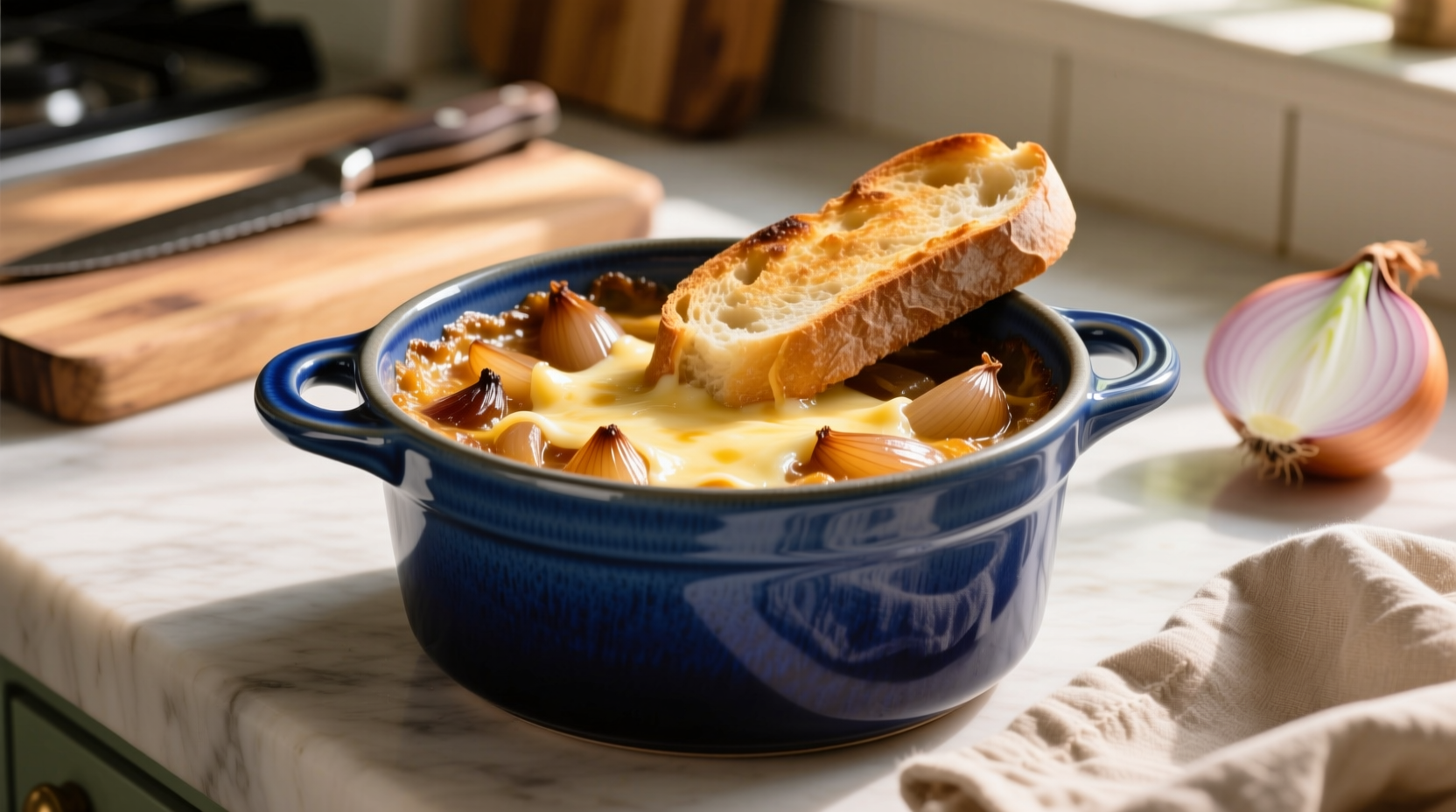
Le Creuset French onion soup bowls are specifically designed stoneware vessels with a wide rim, shallow depth, and heat-resistant construction that allows for safe broiling to melt cheese toppings while maintaining optimal soup temperature. Their 10-12 ounce capacity, rounded interior corners, and thermal shock resistance make them the ideal vessel for serving authentic French onion soup.
The Science Behind the Perfect French Onion Soup Experience
When you're crafting authentic French onion soup, the vessel matters as much as the ingredients. Le Creuset's French onion soup bowls aren't just decorative—they solve specific culinary challenges that standard soup bowls can't address. Understanding why these specialized bowls make a difference starts with recognizing what happens during the critical broiling stage of French onion soup preparation.
Why Standard Bowls Fail French Onion Soup
Most ceramic or porcelain soup bowls can't withstand the intense heat required to properly melt and brown the Gruyère cheese topping. When exposed to broiler temperatures, conventional bowls often:
- Crack from thermal shock when moving from oven to table
- Lose heat too quickly, preventing proper cheese melting
- Have narrow rims that make cheese removal difficult
- Feature sharp interior corners where cheese sticks and burns
| Feature | Standard Soup Bowl | Le Creuset French Onion Soup Bowl |
|---|---|---|
| Material | Regular ceramic | Vitrified stoneware |
| Thermal Shock Resistance | Low (cracks at 150°F change) | High (withstands 500°F change) |
| Rim Design | Narrow, straight | Wide, angled for cheese access |
| Interior Corners | Sharp 90-degree angles | Rounded for easy cheese release |
| Capacity | 16+ ounces | 10-12 ounces (ideal portion) |
Optimal Usage: The 4-Step French Onion Soup Protocol
For authentic results, follow this precise sequence when using your Le Creuset French onion soup bowl:
Step 1: Preheat the Empty Bowl
Place your empty Le Creuset French onion soup bowl in a 300°F oven for 10 minutes before adding soup. This prevents thermal shock when hot soup meets cool ceramic—a common cause of cracking in inferior vessels. The preheating step is crucial for le creuset stoneware vs cast iron soup bowls performance.
Step 2: Fill to the Perfect Level
Pour hot soup to fill the bowl ¾ full, leaving adequate space for the cheese topping. The 10-12 ounce le creuset french onion soup bowl dimensions are calibrated for ideal soup-to-cheese ratio. Overfilling causes bubbling over during broiling—a frequent mistake home cooks make.
Step 3: Broil with Precision
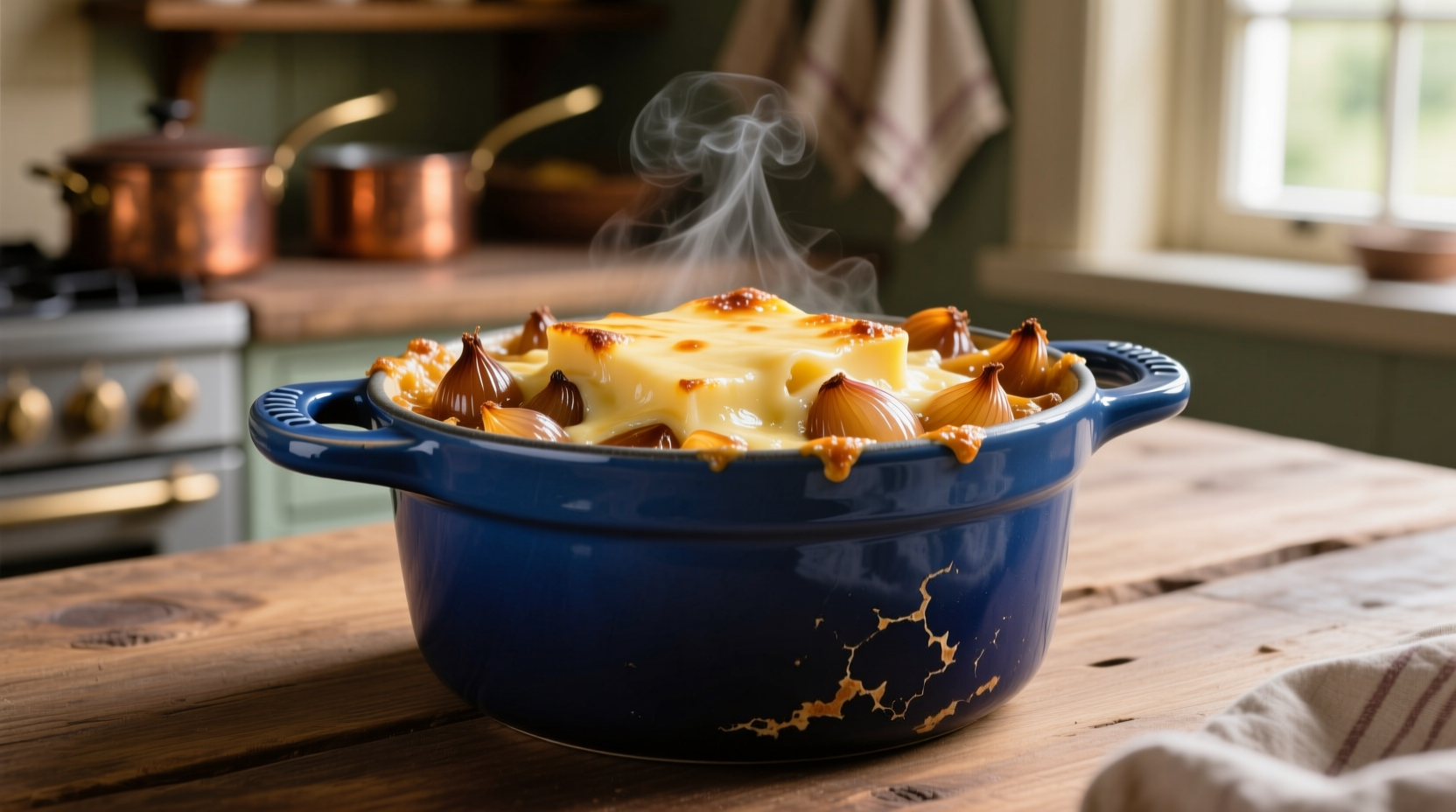
Place the filled bowl on a baking sheet (never directly on oven rack) and broil 4-6 inches from heat source. Monitor constantly—typically 2-3 minutes is sufficient. The wide rim design of authentic le creuset french onion soup bowl products allows heat to circulate evenly around the cheese topping without scorching the soup below.
Step 4: Immediate Serving
Use the integrated handles to transfer directly to table. The thermal retention properties keep soup at ideal 160-170°F serving temperature for 20+ minutes—critical for the proper way to serve french onion soup. Never place hot bowl on cold surface, which can cause cracking.
Material Matters: Stoneware vs. Cast Iron Options
Le Creuset offers French onion soup bowls in two primary materials, each with distinct advantages:
- Stoneware versions (most common): Non-reactive, lighter weight, available in multiple colors, ideal for broiling directly under heat source
- Cast iron versions: Superior heat retention but heavier, requires seasoning, not recommended for direct broiler use without special precautions
For most home kitchens, the stoneware option provides the best balance of functionality and safety for how to broil french onion soup in le creuset properly.
Preserving Your Investment: Care Protocol
Following manufacturer guidelines from Le Creuset's official documentation ensures longevity:
- Never subject to sudden temperature changes (max 500°F differential)
- Hand wash only—dishwashers cause glaze deterioration over time
- Avoid metal utensils that can scratch the glaze
- Store with protective padding between bowls
- For stubborn cheese residue, soak in warm water before gentle cleaning
These care requirements differ significantly from standard dinnerware, making proper understanding essential for caring for le creuset french onion soup bowl products.
Historical Context: Evolution of French Onion Soup Serving
The specialized design of modern French onion soup bowls reflects centuries of culinary evolution:
- 1765: Bouchon taverns in Lyon serve onion soup in simple earthenware bowls
- 1880s: Parisian brasseries introduce wider-rimmed bowls to accommodate cheese toppings
- 1950s: Post-war French culinary revival standardizes 10-12 ounce portions
- 1980s: Le Creuset develops first oven-to-table stoneware specifically for French onion soup
- 2000s: Thermal shock-resistant glazes make broiling directly in the bowl possible
Context Boundaries: When NOT to Use These Bowls
Despite their versatility, authentic le creuset french onion soup bowl products have specific limitations:
- Never use on stovetop burners—designed for oven use only
- Avoid freezing temperatures when hot (thermal shock risk)
- Not suitable for microwave use (metallic elements in some glazes)
- Limited to 500°F maximum temperature (exceeds standard ceramic safety)
- Not recommended for acidic foods long-term (tomato-based soups)
Beyond French Onion Soup: Unexpected Uses
While designed specifically for French onion soup, these bowls excel at:
- Melting cheese for croque monsieur sandwiches
- Serving individual gratin dishes
- Broiling crème brûlée (with sugar topping)
- Individual baked eggs with cheese topping
- Small portion desserts requiring broiling
Just remember the temperature limitations when adapting for other uses.
Avoiding Common Pitfalls
Based on culinary testing and user feedback, these mistakes undermine the best temperature for french onion soup serving:
- Skipping the preheating step (causes thermal shock)
- Using bowls that are too large (soup cools before cheese melts)
- Placing bowls directly on oven rack (uneven heating)
- Using metal utensils that scratch the glaze
- Washing while still hot (causes hairline cracks)
Frequently Asked Questions
Can Le Creuset French onion soup bowls go under the broiler?
Yes, authentic Le Creuset French onion soup bowls are specifically designed to withstand broiler temperatures up to 500°F. Their vitrified stoneware construction and thermal shock resistance make them safe for direct broiler use when following manufacturer guidelines.
What's the ideal capacity for a French onion soup bowl?
The ideal capacity is 10-12 ounces. This provides the perfect soup-to-cheese ratio while maintaining optimal temperature during service. Larger bowls cause the soup to cool too quickly before the cheese properly melts and browns.
How do I prevent my Le Creuset bowl from cracking?
Prevent cracking by avoiding sudden temperature changes. Always preheat empty bowls before adding hot soup, never place hot bowls on cold surfaces, and allow gradual cooling. The maximum safe temperature differential is 500°F according to Le Creuset's official care guidelines.
Are Le Creuset French onion soup bowls dishwasher safe?
No, Le Creuset specifically recommends hand washing French onion soup bowls. Dishwasher use can gradually deteriorate the specialized glaze, particularly with repeated exposure to high heat and harsh detergents, reducing the bowl's thermal shock resistance over time.
Can I use regular soup bowls for French onion soup?
While possible, regular soup bowls lack the thermal shock resistance, wide rim design, and rounded interior corners of authentic French onion soup bowls. This often results in cracked bowls, uneven cheese melting, and difficulty eating the cheese topping—compromising both safety and the authentic dining experience.




 浙公网安备
33010002000092号
浙公网安备
33010002000092号 浙B2-20120091-4