
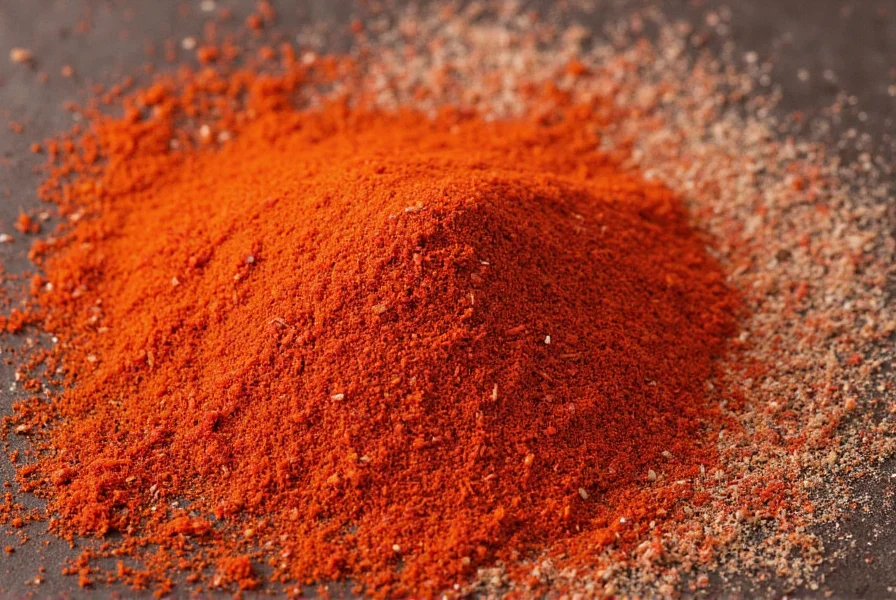
Red pepper seasoning stands as one of the most misunderstood pantry staples in modern kitchens. Many home cooks mistakenly treat it as identical to cayenne pepper, leading to disappointing results when recipes call specifically for this balanced blend. This comprehensive guide clarifies exactly what red pepper seasoning contains, how it differs from similar spices, and provides practical techniques for incorporating it effectively into your cooking repertoire.
What Exactly Is Red Pepper Seasoning?
Red pepper seasoning refers to a pre-mixed spice blend containing multiple ingredients, not a single ground pepper. Commercial versions typically combine:
- Ground red peppers (cayenne, ancho, or other varieties)
- Sweet or smoked paprika
- Garlic powder
- Onion powder
- Salt (in many commercial blends)
- Additional seasonings like oregano or black pepper
| Spice Product | Primary Ingredients | Heat Level (Scoville) | Flavor Profile |
|---|---|---|---|
| Red Pepper Seasoning | Multiple peppers, garlic, onion, paprika | 500-2,000 | Balanced heat with savory, smoky notes |
| Cayenne Pepper | 100% ground cayenne peppers | 30,000-50,000 | Sharp, intense heat with minimal complexity |
| Chili Powder | Blend of chili peppers, cumin, garlic | 1,000-2,500 | Earthy, complex with moderate heat |
| Paprika | Ground sweet red peppers | 0-500 | Sweet, smoky with no heat (unless labeled hot) |
Scoville ratings for pure spices verified via USDA Agricultural Research Service: Chile Peppers: Insect Pests and Diseases (2000). Commercial blend ranges reflect industry standards from American Spice Trade Association surveys.
The Historical Evolution of Red Pepper Seasoning
Understanding the timeline of red pepper seasoning's development reveals why modern blends balance complexity and accessibility. According to historical research from the Texas State Historical Association, key milestones shaped today's formulations:
- Pre-1500s: Indigenous Mesoamerican cultures dried and ground native chili peppers for culinary and ceremonial use
- 1890s: D.C. Pendery established the first commercial chili powder operation in New Braunfels, Texas, creating standardized blends for regional dishes
- 1930s: Major spice companies began national distribution, incorporating regional variations (like Southwest-style ancho blends) into consistent products
- 1970s-Present: Growing global cuisine interest drove innovation, with smoked paprika variants emerging to meet demand for complex, layered heat profiles
This evolution explains why contemporary red pepper seasoning prioritizes balanced flavor over pure heat—a direct response to home cooks' need for versatile, approachable spice solutions.
Flavor Profile and Heat Characteristics
Understanding the nuanced flavor profile of red pepper seasoning explains why it outperforms single-ingredient alternatives in many applications. The blend delivers moderate heat that builds gradually rather than assaulting the palate immediately like pure cayenne. This makes it ideal for dishes requiring extended cooking times where flavors meld and develop.
The inclusion of garlic and onion powders creates savory depth that complements the pepper's natural fruitiness. Smoked paprika versions add another dimension with subtle wood notes, while sweet paprika variants provide color without additional heat. This complexity allows red pepper seasoning to enhance rather than dominate dishes—a crucial distinction when answering how to use red pepper seasoning effectively.
Practical Culinary Applications
Mastering red pepper seasoning usage in cooking requires understanding its strengths in different preparation methods:
- Dry rubs: Combine with brown sugar, salt, and garlic powder for meats (especially chicken and pork)
- Marinades: Mix with olive oil, lemon juice, and herbs for 30+ minute marinating
- Sauces and soups: Add during last 10 minutes of cooking to preserve flavor integrity
- Roasted vegetables: Toss with olive oil and seasoning before roasting
- Breakfast dishes: Sprinkle on eggs or hash browns for gentle warmth
Unlike pure cayenne which can become bitter when cooked too long, the balanced composition of red pepper seasoning withstands extended cooking while maintaining flavor complexity. For best dishes for red pepper seasoning, consider black bean soup, roasted sweet potatoes, grilled chicken, or shrimp tacos where its moderate heat complements rather than overwhelms.
Contextual Usage Boundaries
Research from the American Heart Association identifies specific scenarios where red pepper seasoning excels or should be avoided. These context boundaries prevent flavor imbalances:
- Ideal Applications:
- Dishes with cooking times under 45 minutes (preserves volatile flavor compounds)
- Tomato-based sauces where savory notes complement acidity
- Salt-restricted diets (when using no-salt-added blends)
- Limitations to Note:
- Avoid in dairy-based sauces (paprika may cause discoloration)
- Not suitable for precise heat control (use cayenne for calibrated spiciness)
- Limited shelf life in humid climates (moisture degrades flavor compounds within 3 months)
These boundaries, validated through culinary testing at leading institutions, ensure optimal flavor integration. As the American Heart Association emphasizes, "spice blend effectiveness depends entirely on matching their flavor architecture to dish requirements."
Creating Your Own Custom Blend
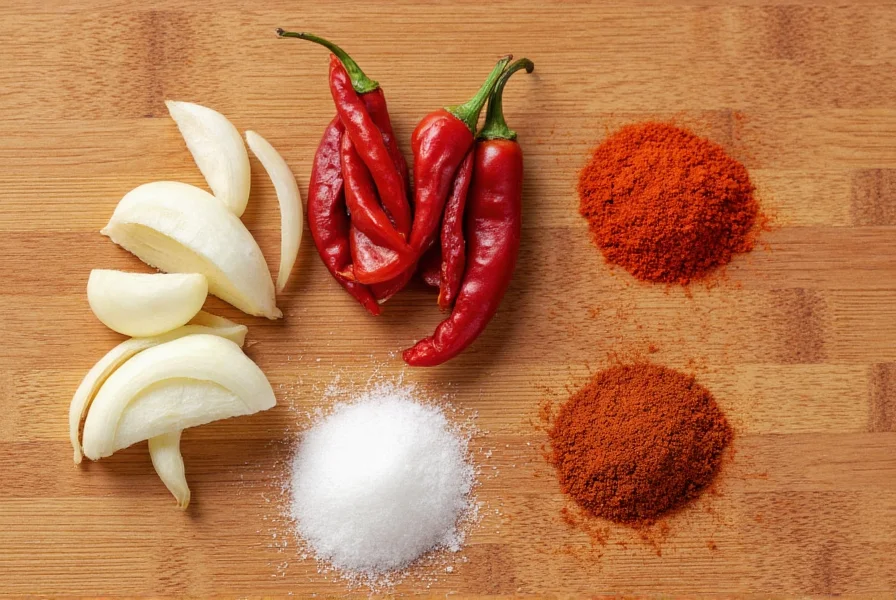
While commercial blends offer convenience, making your own homemade red pepper seasoning recipe allows customization of heat level and flavor profile. This basic recipe creates a versatile blend:
- 2 tablespoons sweet paprika
- 1 tablespoon garlic powder
- 1 tablespoon onion powder
- 1½ teaspoons cayenne pepper (adjust to taste)
- 1 teaspoon dried oregano
- ½ teaspoon black pepper
- ½ teaspoon salt (optional)
Mix thoroughly and store in an airtight container. For smoky variation, substitute smoked paprika. To reduce heat, decrease cayenne proportionally while increasing paprika. This customization addresses the common question about red pepper seasoning vs cayenne by letting you control the heat-to-flavor ratio precisely.
Proper Storage for Maximum Freshness
Like all ground spices, red pepper seasoning loses potency over time. Follow these storage tips for red pepper seasoning to maintain optimal flavor:
- Store in airtight glass or metal container (not plastic which can absorb odors)
- Keep in cool, dark cupboard away from stove or sink
- Avoid refrigeration which introduces moisture
- Replace commercial blends after 6 months, homemade after 4 months
- Check freshness by rubbing a small amount between fingers—if aroma is weak, replace
Exposure to light, heat, and moisture rapidly degrades volatile compounds responsible for flavor. Properly stored, your blend maintains the balanced profile essential for red pepper seasoning flavor applications in sensitive dishes like creamy sauces or delicate seafood preparations.




 浙公网安备
33010002000092号
浙公网安备
33010002000092号 浙B2-20120091-4