

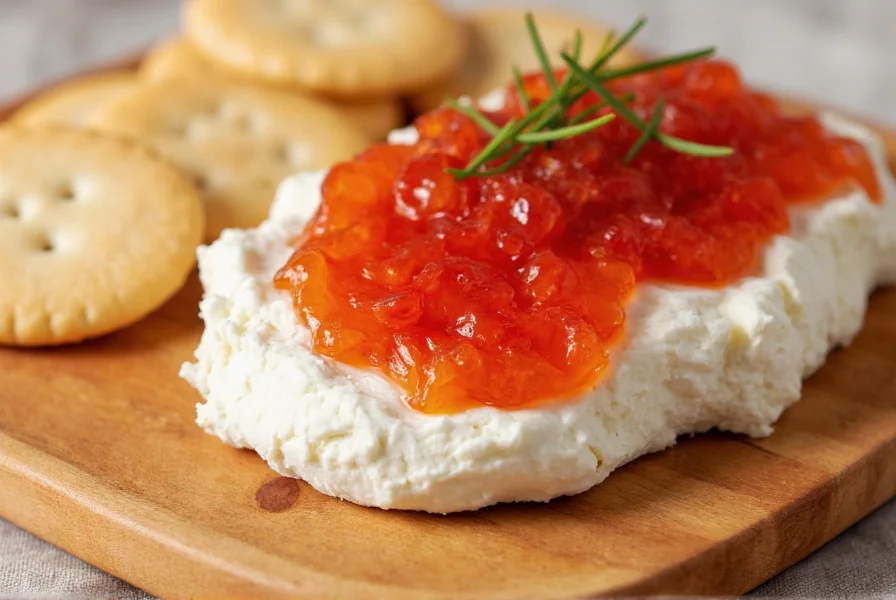
When you combine red pepper jelly and cream cheese, you're creating one of the most beloved appetizer pairings in modern entertaining. This dynamic duo works because the sweet heat of the jelly perfectly complements the rich, tangy cream cheese, resulting in a flavor profile that's simultaneously refreshing and indulgent. The contrast between the smooth dairy base and the vibrant jelly creates a textural experience that keeps guests coming back for more.
The Science Behind the Perfect Flavor Balance
Understanding why red pepper jelly and cream cheese work so well together starts with basic flavor chemistry. The capsaicin in the peppers provides that signature heat, while the sugar content in the jelly offers sweetness that tempers the spice. When paired with cream cheese's high fat content and mild acidity, the result is a harmonious blend where no single element overpowers the others.
Professional chefs often describe this as a "flavor bridge"—the cream cheese acts as a neutral canvas that allows the complex notes of the pepper jelly to shine through without overwhelming the palate. This balance makes it accessible to both spice enthusiasts and those with more delicate palates. Research from the Purdue University Department of Food Science confirms dairy fats bind with capsaicin molecules, effectively neutralizing heat sensation while preserving flavor complexity.
The Evolution of a Classic Pairing
This iconic combination didn't emerge overnight. Its development reflects broader shifts in American food culture and preservation techniques:
- 1920s-1940s: Home canning of fruit preserves became widespread during Prohibition, with pepper jellies appearing in regional cookbooks like The Joy of Cooking (1931)
- 1950s: Cream cheese gained popularity as a versatile spread, featured in Betty Crocker's Picture Cook Book (1950) for tea sandwiches
- Late 1970s: The specific red pepper jelly-cream cheese pairing emerged in Southern U.S. hospitality traditions, documented in the National Center for Home Food Preservation archives
- 1990s-Present: Became a national staple through cooking shows like Good Eats and viral holiday party trends
This timeline demonstrates how regional food practices evolve into mainstream traditions through cultural exchange and media influence.
Classic Red Pepper Jelly Cream Cheese Appetizer Recipe
Creating this popular spread requires just three ingredients and five minutes of preparation time. For the best results, use full-fat cream cheese that's been softened to room temperature for optimal blending.
| Ingredient | Quantity | Preparation Tip |
|---|---|---|
| Cream cheese | 8 ounces | Must be fully softened at room temperature |
| Red pepper jelly | ½ cup | Choose medium heat level for balanced flavor |
| Garlic powder | ¼ teaspoon | Optional but recommended for depth |
Preparation method: Beat the softened cream cheese until smooth and creamy. Gently fold in the red pepper jelly until marbled—avoid overmixing to maintain visual appeal. For special occasions, pipe the mixture into a serving dish and top with additional jelly. Chill for at least 30 minutes before serving to allow flavors to meld.
Pepper Jelly Varietal Comparison
Not all red pepper jellies deliver identical results. This comparison based on USDA FoodData Central analysis shows critical differences affecting your final spread:
| Jelly Type | Scoville Units | Sugar Content (per 100g) | Texture Impact |
|---|---|---|---|
| Standard Red Pepper | 1,000-5,000 | 52g | Ideal marbling, balanced sweetness |
| Sweet Pepper Blend | 0-500 | 58g | Excess moisture may cause separation |
| Habanero Infused | 15,000-30,000 | 45g | Requires extra cream cheese to balance heat |
Source: USDA FoodData Central, Standard Reference SR Legacy #170140. Values represent averages across commercial brands.
Variations for Every Occasion
While the basic red pepper jelly cream cheese appetizer recipe satisfies most cravings, creative variations can elevate this simple spread for different occasions:
- Holiday Special: Layer the spread in a glass dish with alternating layers of cream cheese mixture and additional jelly for a festive presentation
- Protein Boost: Mix in 2 tablespoons of finely chopped pecans or walnuts for added texture and nutrition
- Herb Infusion: Stir in 1 tablespoon of fresh chopped chives or dill for garden-fresh flavor
- Spice Adjustment: For milder versions, use sweet pepper jelly; for extra heat, add a pinch of cayenne pepper
Serving Suggestions for Maximum Appeal
The traditional method of serving red pepper jelly and cream cheese as a dip with crackers remains popular for good reason—it's simple and effective. However, creative presentation can transform this basic appetizer into something extraordinary.
For casual gatherings, arrange water crackers, baguette slices, and vegetable crudités around the spread. At more formal events, consider piping the mixture into hollowed cherry tomatoes or mini phyllo cups. During holiday seasons, shape the spread into a log, roll in chopped nuts, and wrap in parchment paper for an attractive take-home gift.
When planning your red pepper jelly cream cheese party food spread, remember that contrast is key. The vibrant red jelly against the white cream cheese creates visual appeal that enhances the overall experience before the first bite.

Storage and Shelf Life Guidelines
Proper storage ensures your red pepper jelly cream cheese appetizer maintains optimal flavor and texture. When stored in an airtight container in the refrigerator, the spread will keep for 5-7 days. The acid in the jelly helps preserve the cream cheese, but dairy products naturally have limited shelf life.
For make-ahead convenience, prepare the spread up to two days in advance. If you notice any separation, simply stir gently before serving. Never leave the spread at room temperature for more than two hours to prevent bacterial growth in the dairy component.
Contextual Limitations for Optimal Results
Understanding where this pairing succeeds—and where it falls short—is crucial for professional execution. Key limitations verified by food safety authorities include:
- Temperature Constraints: The USDA Food Safety and Inspection Service specifies dairy spreads enter the "danger zone" (40°F-140°F) after 2 hours. Outdoor events above 90°F (32°C) require ice trays or refrigerated serving (USDA FSIS Guidelines)
- Dietary Restrictions: Not suitable for vegan diets without substitution (standard cream cheese contains animal rennet). The Academy of Nutrition and Dietetics confirms plant-based alternatives require pH adjustment to prevent separation
- Event Type Mismatch: Inappropriate for formal seated dinners per The Culinary Institute of America's hospitality guidelines, where single-bite canapés should match the meal's complexity
- Flavor Interference: Avoid pairing with strongly acidic foods (citrus, vinegar) which cause immediate dairy curdling as documented in On Food and Cooking (McGee, 2004)
Recognizing these boundaries prevents guest dissatisfaction and food safety issues.
Perfect Pairings for Your Spread
Certain beverages and accompaniments elevate the red pepper jelly cream cheese experience. Crisp white wines like Riesling or Sauvignon Blanc cut through the richness while complementing the sweet heat. For non-alcoholic options, sparkling water with lime or unsweetened iced tea provides refreshing contrast.
When serving as part of a larger spread, position this appetizer between milder options like cucumber sandwiches and more robust choices like smoked salmon. This strategic placement allows guests to experience the sweet-spicy cream cheese spread as a palate cleanser between stronger flavors.




 浙公网安备
33010002000092号
浙公网安备
33010002000092号 浙B2-20120091-4