
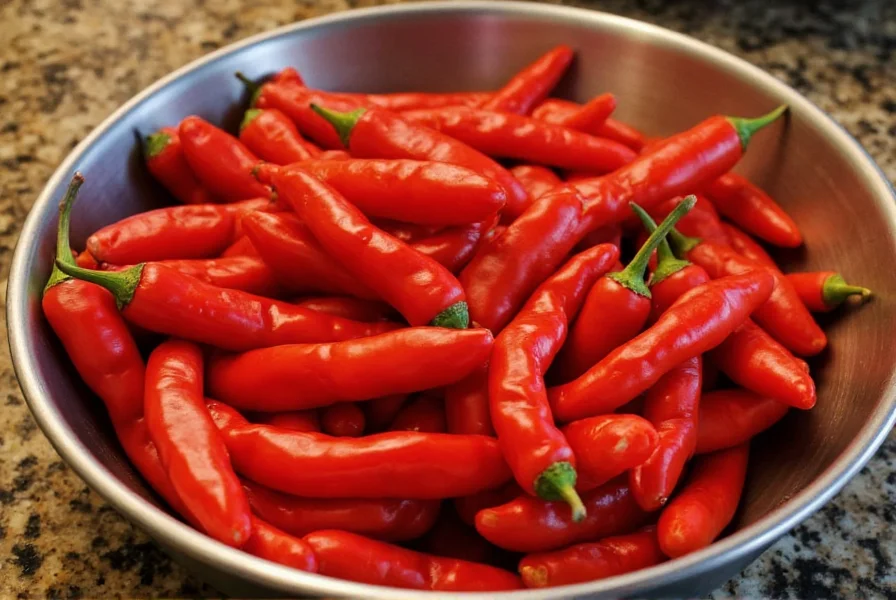
Chili peppers transform ordinary dishes into extraordinary culinary experiences when used correctly. Whether you're working with mild poblanos or fiery ghost peppers, understanding how to select, prepare, and balance these potent ingredients is essential for creating delicious recipes that satisfy without overwhelming. This comprehensive guide provides practical techniques and tested recipes that showcase chili peppers' complex flavors beyond mere heat.
Understanding Chili Pepper Varieties and Heat Levels
Not all chili peppers serve the same purpose in cooking. Selecting the right variety for your recipe ensures optimal flavor balance. The Scoville scale measures heat intensity, but flavor profiles vary significantly across types. Here's a reference guide to common varieties:
| Chili Variety | Scoville Units | Flavor Profile | Best Culinary Uses |
|---|---|---|---|
| Bell Pepper | 0 SHU | Sweet, vegetal | Stuffed peppers, salads, stir-fries |
| Poblano | 1,000-2,000 SHU | Earthy, mild heat | Chiles Rellenos, mole sauces, roasted dishes |
| Jalapeño | 2,500-8,000 SHU | Grassy, bright heat | Salsas, nachos, pickled preparations |
| Serrano | 10,000-23,000 SHU | Sharp, clean heat | Pico de gallo, hot sauces, guacamole |
| Habanero | 100,000-350,000 SHU | Fruity, floral, intense heat | Caribbean sauces, finishing touches, marinades |
Chili peppers have journeyed across continents since their domestication in the Americas. Understanding this evolution helps contextualize regional cooking techniques: first domesticated in Mexico and Central America around 6000 BCE, they began a global journey after Columbus's 1493 return to Europe. Portuguese traders then carried them to Africa and Asia by 1542, where they rapidly became integral to local cuisines. This historical spread explains why specific varieties like Thai bird's eye chilies or Scotch bonnets are now staples in their respective regions. The University of New Mexico Chile Pepper Institute documents this evolution through archaeological evidence and historical records, providing a verified timeline of chili pepper dissemination in their research archives.
Essential Handling Techniques for Chili Peppers
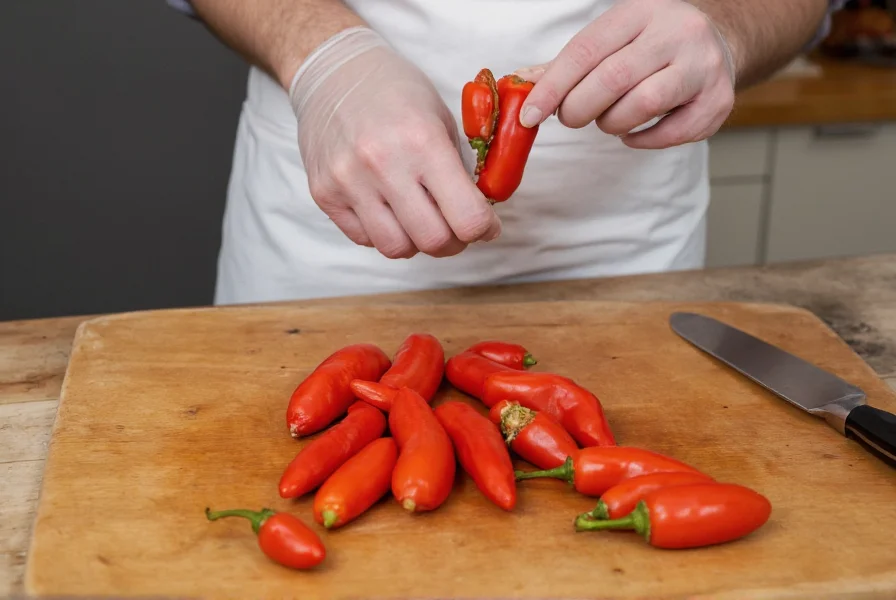
Proper handling prevents discomfort and ensures consistent results in your spicy chili pepper recipes for beginners. Always wear gloves when preparing extremely hot varieties like habaneros or ghost peppers. Remove seeds and white membranes (placenta) for reduced heat, as capsaicin concentrates there. Never touch your face during preparation—wash hands thoroughly with soap and water afterward.
Cooking with chilies requires understanding how heat develops. Add milder peppers early in cooking for infused flavor, while hotter varieties work best added toward the end to preserve their distinct characteristics. Acidic ingredients like lime juice or vinegar can balance excessive heat in finished dishes.
Authentic Roasted Poblano Chicken Enchiladas
This family-friendly recipe demonstrates how to incorporate mild chili peppers into comforting meals. The roasted poblanos provide earthy depth without overwhelming heat, making it perfect for mild chili pepper recipes for family gatherings.
Ingredients
- 4 large poblano peppers
- 2 cups cooked shredded chicken
- 1 cup Monterey Jack cheese
- 8 corn tortillas
- 1 cup tomatillo salsa
- 1/2 cup sour cream
- 1/4 cup chopped cilantro
Instructions
- Roast poblanos over open flame until blackened, then steam in covered bowl for 10 minutes
- Peel skins, remove seeds, and slice peppers into strips
- Warm tortillas and fill with chicken, cheese, and roasted poblanos
- Arrange enchiladas seam-side down in baking dish
- Pour tomatillo salsa over top and bake at 350°F for 20 minutes
- Mix sour cream with cilantro and drizzle over finished enchiladas
Thai Basil Pork with Bird's Eye Chilies
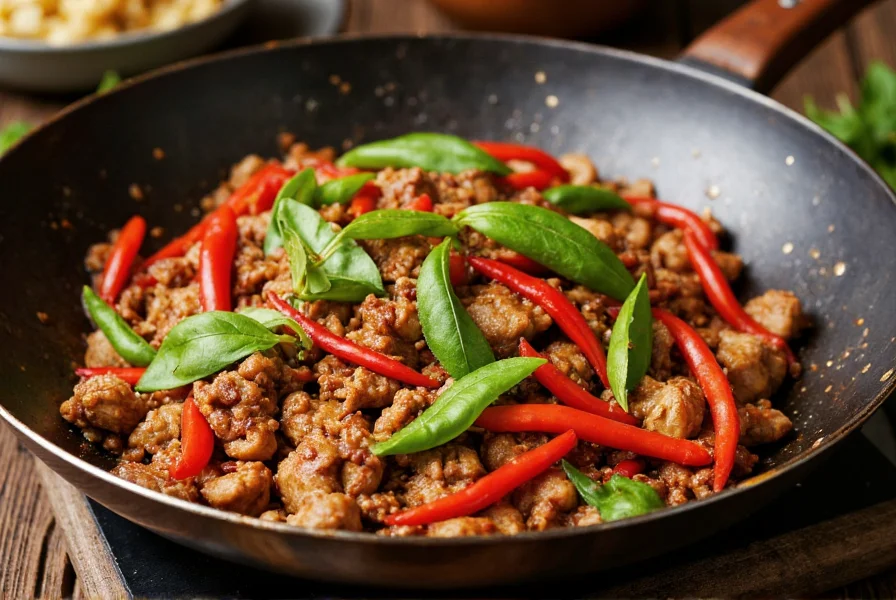
This authentic Thai street food classic showcases how to balance intense heat with complementary flavors. Bird's eye chilies deliver significant heat, but the recipe includes adjustments for different tolerance levels.
Heat Level Adjustments
- Mild: Use 1-2 chilies, remove all seeds
- Medium: Use 3-4 chilies, keep half the seeds
- Authentic: Use 5-6 chilies with all seeds
Professional chefs recommend adding chilies in stages during cooking to control heat distribution. For Thai chili recipes authentic preparation, always use fresh bird's eye chilies rather than substitutes, as their unique floral heat profile defines the dish.
Preserving Chili Peppers for Year-Round Use
Extend your chili harvest with these professional preservation methods. Freezing maintains flavor better than drying for most varieties. Simply wash, dry, and freeze whole peppers in airtight containers. When needed, frozen peppers chop easily and work perfectly in cooked dishes.
Important Context Boundaries: Freezing works exceptionally well for cooked applications like sauces and stews, but frozen-thawed peppers lose crispness and are unsuitable for fresh salsas or salads. Drying concentrates capsaicin (increasing perceived heat by up to 20%) and is ideal for spice blends, but volatile flavor compounds degrade over time. The National Center for Home Food Preservation cautions that improper storage after freezing can lead to freezer burn within 3 months, and recommends vacuum-sealing for optimal 12-month storage using their validated methods.
For chili pepper preservation techniques that retain maximum flavor, try this fermented hot sauce method: Combine 10 chopped habaneros, 4 cloves garlic, 1 tablespoon salt, and 2 cups filtered water in a clean jar. Cover with cheesecloth and ferment at room temperature for 5-7 days, stirring daily. Blend when bubbling slows, then strain and bottle. This creates complex flavor while preserving the chilies' heat profile.
Common Mistakes to Avoid in Chili Pepper Recipes
Many home cooks make these critical errors when preparing homemade chili sauce recipes:
- Overcooking delicate chilies - High heat destroys nuanced flavors in habaneros and scotch bonnets
- Improper heat adjustment - Adding dairy to already prepared dishes only temporarily masks heat
- Using worn cutting boards - Deep grooves retain capsaicin, contaminating future preparations
- Ignoring regional pairings - Mexican cuisine favors earthy chilies with chocolate, while Thai cuisine pairs fruitier chilies with basil
When developing your own roasted chili pepper recipes, remember that fat carries capsaicin better than water. Incorporating healthy fats like avocado oil or coconut milk creates more evenly distributed heat than watery broths alone.
Frequently Asked Questions
How can I reduce the heat in a chili dish that's become too spicy?
Add acidic components like lime juice or vinegar first, as they neutralize capsaicin chemically. Then incorporate fats like avocado, coconut milk, or yogurt which bind to capsaicin molecules. Sugar in moderation can also balance excessive heat. Never add water, as it spreads rather than reduces the burning sensation.
Which chili peppers work best for beginners learning to cook with heat?
Poblano and Anaheim peppers offer mild heat (1,000-4,000 Scoville units) with rich flavor profiles ideal for beginners. Jalapeños provide moderate heat with versatility across cuisines. Start with these manageable varieties before progressing to hotter options like serranos or habaneros. Remember that removing seeds and membranes significantly reduces heat in any chili variety.
Can I substitute dried chili peppers for fresh in recipes?
Yes, but with important considerations. Rehydrate dried chilies by soaking in hot water for 20 minutes before use. Generally, 1 fresh chili equals 1/2 teaspoon dried chili flakes or 1 whole dried chili. Dried chilies develop deeper, smokier flavors but lose some brightness. Ancho (dried poblanos) and guajillo work particularly well as substitutes in slow-cooked dishes.
How long do homemade chili sauces typically last in the refrigerator?
Properly stored in airtight containers, most fresh chili sauces maintain quality for 2-3 weeks in the refrigerator. Vinegar-based hot sauces last 6 months or longer. Always use clean utensils when handling to prevent contamination. For longer storage, freeze sauces in ice cube trays then transfer to freezer bags—this preserves flavor for up to 12 months.




 浙公网安备
33010002000092号
浙公网安备
33010002000092号 浙B2-20120091-4