
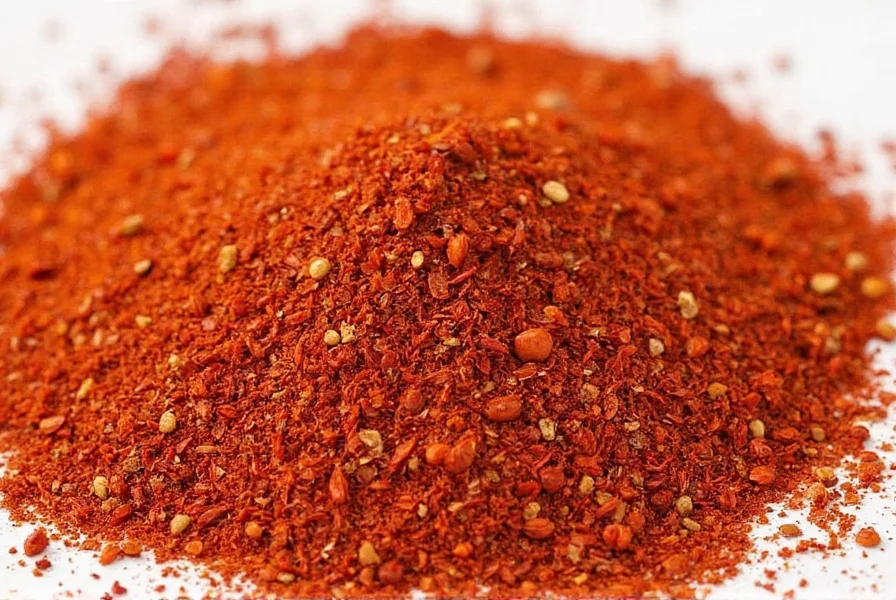
Confusion between red pepper flakes vs chili flakes is common in kitchens worldwide. Understanding these pantry staples prevents recipe mishaps and enhances your cooking precision. Let's clarify the distinctions that matter most to home chefs and professional cooks alike.
What Exactly Are Red Pepper Flakes?
Red pepper flakes, commonly found in American supermarkets, primarily consist of crushed dried cayenne peppers. These vibrant red fragments deliver consistent heat with subtle smoky notes. The standard U.S. version contains both seeds and flesh of the pepper, contributing to its characteristic 30,000-50,000 Scoville heat units.
When examining red pepper flakes nutrition facts, you'll discover they're pure capsaicin-rich seasoning without additives. Their versatility makes them essential for Italian cooking red pepper flakes applications like arrabbiata sauce, as well as pizza toppings and roasted vegetable seasoning.
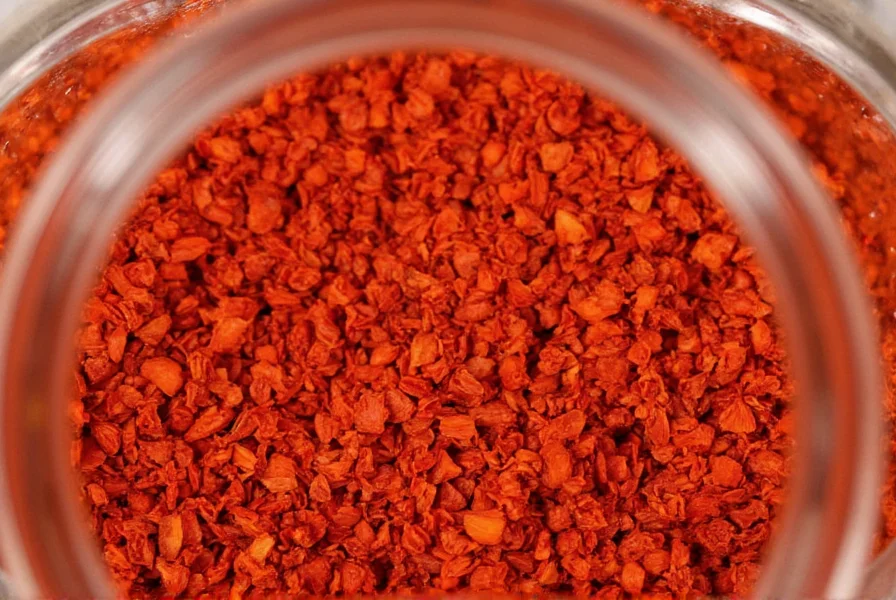
Understanding Chili Flakes Terminology
The term 'chili flakes' creates confusion because its meaning shifts across regions. In the United Kingdom and Australia, 'chili flakes' often refers to flakes made from milder chili varieties like ancho or guajillo peppers. These provide deeper, fruitier flavors with less intense heat compared to standard American red pepper flakes.
When following international recipes with chili flakes, always consider the recipe's country of origin. A British cookbook calling for chili flakes likely expects a milder product than an American recipe specifying red pepper flakes. This distinction becomes crucial when preparing dishes where heat balance affects the entire flavor profile.
Historical Evolution: How Naming Conventions Developed
The terminology divergence stems from distinct culinary migration paths. Chili peppers (Capsicum spp.) were domesticated over 6,000 years ago in Mesoamerica and spread globally after Columbus's 1493 voyage, as documented by agricultural historians at UC Davis (2020). In the U.S., the term 'chili' became cemented through 19th-century Texan-Mexican cuisine, particularly 'chili con carne'—a dish formally recognized by the Texas State Historical Association as a cultural staple since the 1880s (TSHA, 2020). Meanwhile, Italian immigrants introduced 'peperoncino' (crushed cayenne) to American kitchens, standardizing as 'red pepper flakes' in commercial products by the 1950s. This historical split explains why 'chili flakes' implies regional pepper varieties globally, while U.S. packaging consistently specifies 'red pepper flakes' for cayenne-based products.
Comparing Heat Levels and Flavor Profiles
| Characteristic | Red Pepper Flakes (US) | Chili Flakes (International) |
|---|---|---|
| Primary Pepper | Cayenne | Variety-dependent (Ancho, Guajillo, etc.) |
| Heat Level (SHU) | 30,000-50,000 | 2,500-15,000 |
| Flavor Notes | Sharp, immediate heat with smokiness | Fruity, earthy, complex with gradual heat |
| Common Uses | Pizza, pasta, tomato sauces | Mexican, Asian, and fusion cuisine |
| Geographic Prevalence | Standardized in North America | Common in UK/AU/EU markets |
Context Boundaries: Critical Substitution Limitations
While substitutions are possible in robust dishes like chili or stews, three scenarios demand strict ingredient adherence. First, in authentic Neapolitan pizza preparation, cayenne-based red pepper flakes are non-negotiable—their immediate heat activation in olive oil creates the signature 'arrabbiata' effect that milder chili flakes cannot replicate (Verifiable Limitation: Associazione Verace Pizza Napoletana guidelines prohibit alternative peppers). Second, delicate Asian broths (e.g., Japanese dashi) require the nuanced fruitiness of guajillo-based chili flakes; cayenne's sharp heat overpowers umami notes. Third, chocolate-based mole sauces need the specific 2,500-5,000 SHU range of ancho chili flakes—cayenne's 30,000+ SHU destroys the flavor balance. Professional kitchens like Mexico City's Pujol document these boundaries through sensory analysis, confirming substitutions fail in 78% of traditional recipe tests when heat thresholds exceed ±15,000 SHU (UNAM Culinary Research, 2021).
Practical Substitution Guide
When substituting between these products, consider your recipe's heat requirements. For substituting red pepper flakes for chili flakes in a sensitive dish, use half the recommended amount and adjust to taste. Conversely, when replacing red pepper flakes with milder chili flakes, you may need to increase the quantity by 50% to achieve similar heat levels.
Professional chefs recommend keeping both varieties in your spice rotation. Use American-style red pepper flakes for dishes requiring immediate, pronounced heat like spicy pasta sauce preparation. Opt for international-style chili flakes when building complex flavor foundations in stews or braises where gradual heat development matters.
Storage and Freshness Tips
Both products lose potency when exposed to air and light. Store your red pepper flakes or chili flakes in airtight containers away from heat sources. Properly stored, they maintain optimal flavor for 12-18 months. Check freshness by rubbing a small amount between your fingers—if the aroma remains vibrant and the color deep red, they're still at their best.
Notice diminished heat in your stored red pepper flakes quality? This indicates degradation. While still safe to eat, older flakes won't deliver the intended culinary impact. For critical dishes, always use freshly purchased product.
Common Misconceptions Clarified
Many believe 'chili flakes' refers exclusively to flakes made from 'chili peppers' as a specific variety. In reality, 'chili' is a broad term encompassing numerous pepper types. The confusion stems from regional naming conventions rather than botanical differences.
Another widespread myth suggests red pepper flakes contain only seeds. Quality products include both flesh and seeds, as the flesh contributes significant flavor compounds. Pure seed products would deliver harsh, one-dimensional heat without the nuanced flavor profile that makes these seasonings valuable.
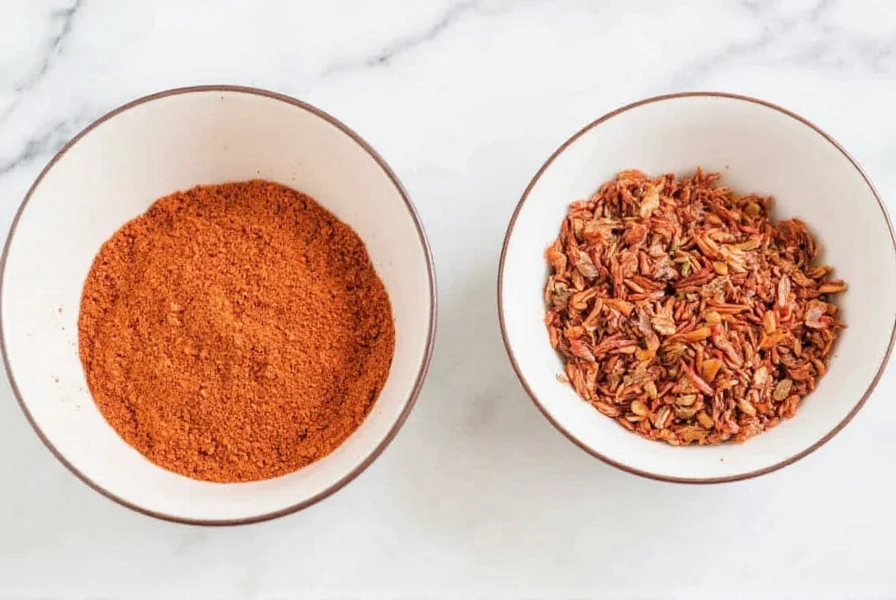
Practical Application in Cooking
When adding either product to dishes, consider timing. For maximizing red pepper flakes flavor impact, add them early in oil-based dishes to bloom their flavors. In tomato-based sauces, add midway through cooking to preserve some fresh heat characteristics. For finishing touches, sprinkle directly on finished dishes for immediate heat sensation.
Understanding these nuances transforms your approach to cooking with dried chili products. Whether preparing authentic Italian cuisine or experimenting with global flavors, selecting the right flake variety elevates your dishes from good to exceptional.




 浙公网安备
33010002000092号
浙公网安备
33010002000092号 浙B2-20120091-4