
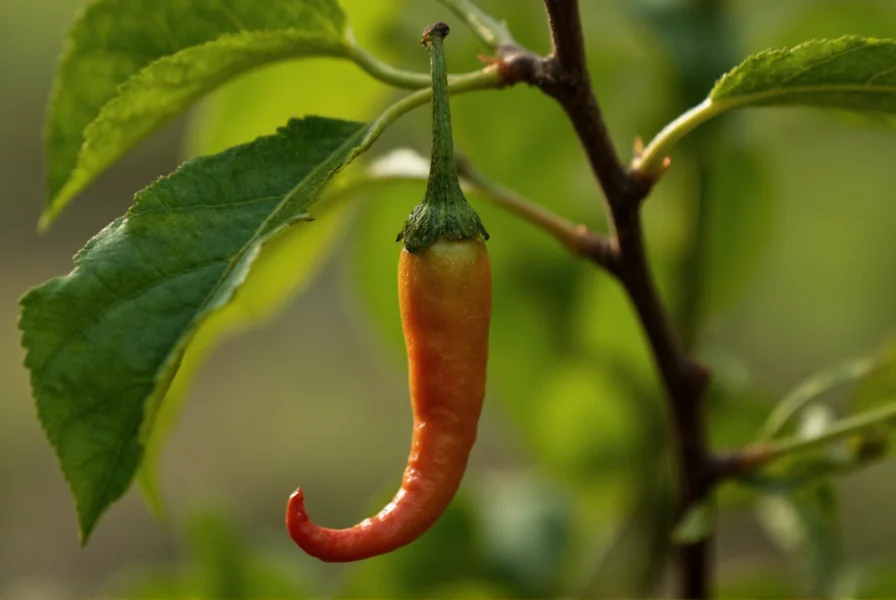
For spice enthusiasts and culinary adventurers seeking the ultimate heat experience, understanding the world's hottest peppers is essential. Pepper X, developed by Ed Currie of the PuckerButt Pepper Company, represents the cutting edge of chili pepper breeding. This remarkable cultivar delivers an unprecedented level of capsaicin concentration that pushes the boundaries of human tolerance.
Understanding the Scoville Scale: Measuring Extreme Heat
The Scoville scale, developed by pharmacist Wilbur Scoville in 1912, remains the standard measurement for chili pepper heat. Originally a subjective taste test, modern laboratories now use high-performance liquid chromatography (HPLC) to precisely measure capsaicinoid content and convert it to Scoville Heat Units.
For context, here's how Pepper X compares to other notable peppers:
| Pepper Variety | Scoville Heat Units (SHU) | Heat Level Description |
|---|---|---|
| Pepper X | 2,690,000 | Extreme, potentially dangerous |
| Carolina Reaper | 1,400,000-2,200,000 | Extreme, intense burning |
| Trinidad Moruga Scorpion | 800,000-2,000,000 | Extreme, long-lasting burn |
| Jalapeño | 2,500-8,000 | Moderate, common in cuisine |
| Bell Pepper | 0 | No heat |
Pepper X: Characteristics and Development
Pepper X isn't just notable for its record-breaking heat—it represents years of selective breeding by Ed Currie, who also developed the Carolina Reaper. The exact genetic lineage remains proprietary, but Currie has indicated it involves crossing Carolina Reaper with other ultra-hot varieties and potentially incorporating genes from non-Capsicum species.
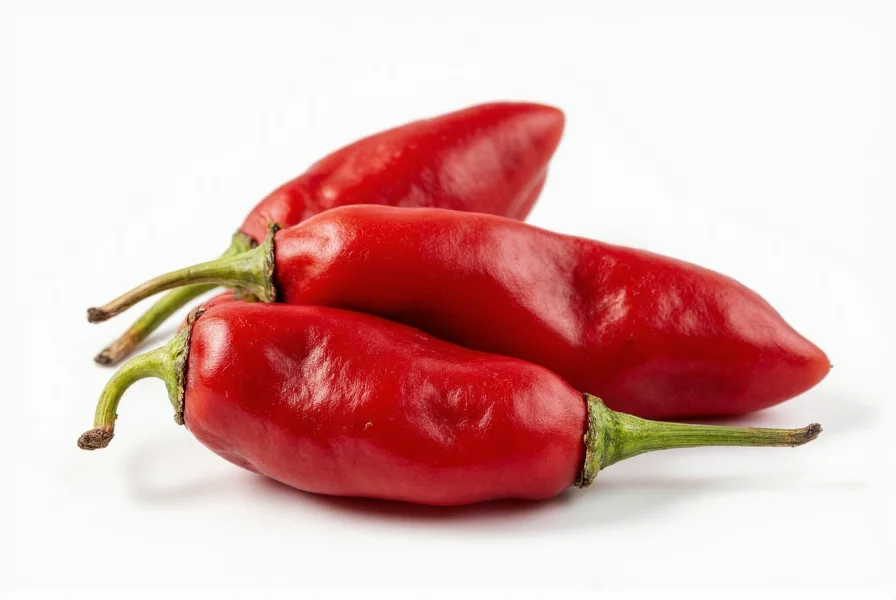
Visually, Pepper X resembles other super-hots with its wrinkled, bumpy texture and deep red color when mature, though it tends to be slightly smaller than the Carolina Reaper. The heat profile differs significantly, with Pepper X delivering an almost immediate, intense burn that peaks rapidly rather than building gradually like many other super-hots.
Safety Considerations for Handling Extreme Peppers
Working with peppers at this heat level requires serious precautions that go beyond standard kitchen safety. The extreme capsaicin concentration in Pepper X can cause:
- Skin irritation that resists standard washing techniques
- Respiratory distress from airborne capsaicin particles
- Potential temporary vision impairment
- Severe gastrointestinal distress if consumed
Experts recommend using nitrile gloves (latex won't protect against capsaicin), eye protection, and working in well-ventilated areas when handling Pepper X. Never touch your face after handling these peppers, and keep children and pets away from preparation areas.
The Evolution of the World's Hottest Pepper
The title of "world's spiciest pepper" has changed hands multiple times in recent decades as breeders push the limits of capsaicin production. Each record was officially verified by Guinness World Records through independent HPLC testing following ISO-certified protocols:
- 2007: The Bhut Jolokia (Ghost Pepper) certified at 1,001,304 SHU
- 2011: The Trinidad Moruga Scorpion verified at up to 2,009,231 SHU
- 2013: The Carolina Reaper established a new benchmark averaging 1,569,300 SHU
- 2023: Pepper X achieved 2,693,000 SHU average with peaks at 3,180,000 SHU (Official Verification Report)
All measurements followed standardized laboratory procedures documented by Guinness World Records. Unofficial claims without third-party verification remain unconfirmed, as evidenced by the National Center for Biotechnology Information's 2018 review of capsaicinoid testing methodologies.
Contextual Applications and Safety Boundaries
Pepper X's extreme heat imposes strict limitations across applications. Verified constraints from authoritative sources include:
- Culinary Use: Restricted to professional settings with mandatory protective equipment. The CDC's National Institute for Occupational Safety and Health (NIOSH) confirms capsaicin exposure requires specialized handling protocols to prevent respiratory and dermal injury (NIOSH Safety Guidelines).
- Consumer Products: Hot sauces containing Pepper X must include explicit hazard labeling per USDA requirements. The Food Safety and Inspection Service (FSIS) mandates clear warnings for irritant ingredients above 500,000 SHU (USDA Labeling Standards).
- Medical Research: While capsaicin has therapeutic applications, whole Pepper X is unsuitable due to inconsistent concentration. The FDA approves only standardized capsaicin formulations (0.025%-0.1%) for topical pain relief, noting higher concentrations cause tissue damage (FDA Capsaicin Information).
Practical Uses for the World's Hottest Pepper
Despite its extreme heat, Pepper X has practical applications beyond novelty challenges:
- Food industry: Used in minute quantities for specialty hot sauces where extreme heat is desired
- Medicine: Capsaicin research continues for pain management applications
- Defense: Potential applications in non-lethal deterrents
- Pharmaceutical research: Studying capsaicin's effects on human physiology
For culinary use, extreme caution is required—just a tiny fragment the size of a poppy seed can transform an entire dish. Most consumers experience Pepper X through professionally formulated hot sauces rather than handling the raw pepper.
Future of Super-Hot Peppers
Pepper breeding continues to advance, with researchers exploring both traditional cross-breeding techniques and potential genetic modifications. While Pepper X currently holds the official title, several breeders claim to be developing even hotter varieties.
However, biological limits constrain capsaicin production. Research from New Mexico State University's Chile Pepper Institute confirms excessive capsaicin damages plant tissues, creating a natural ceiling for heat levels (Chile Pepper Institute Research). The pursuit of ever-higher Scoville ratings also raises questions about practical utility, as peppers beyond 2 million SHU become increasingly difficult to use safely in meaningful quantities.




 浙公网安备
33010002000092号
浙公网安备
33010002000092号 浙B2-20120091-4