

What Exactly Is Potato Candy? (And Why It's Not What You Think)
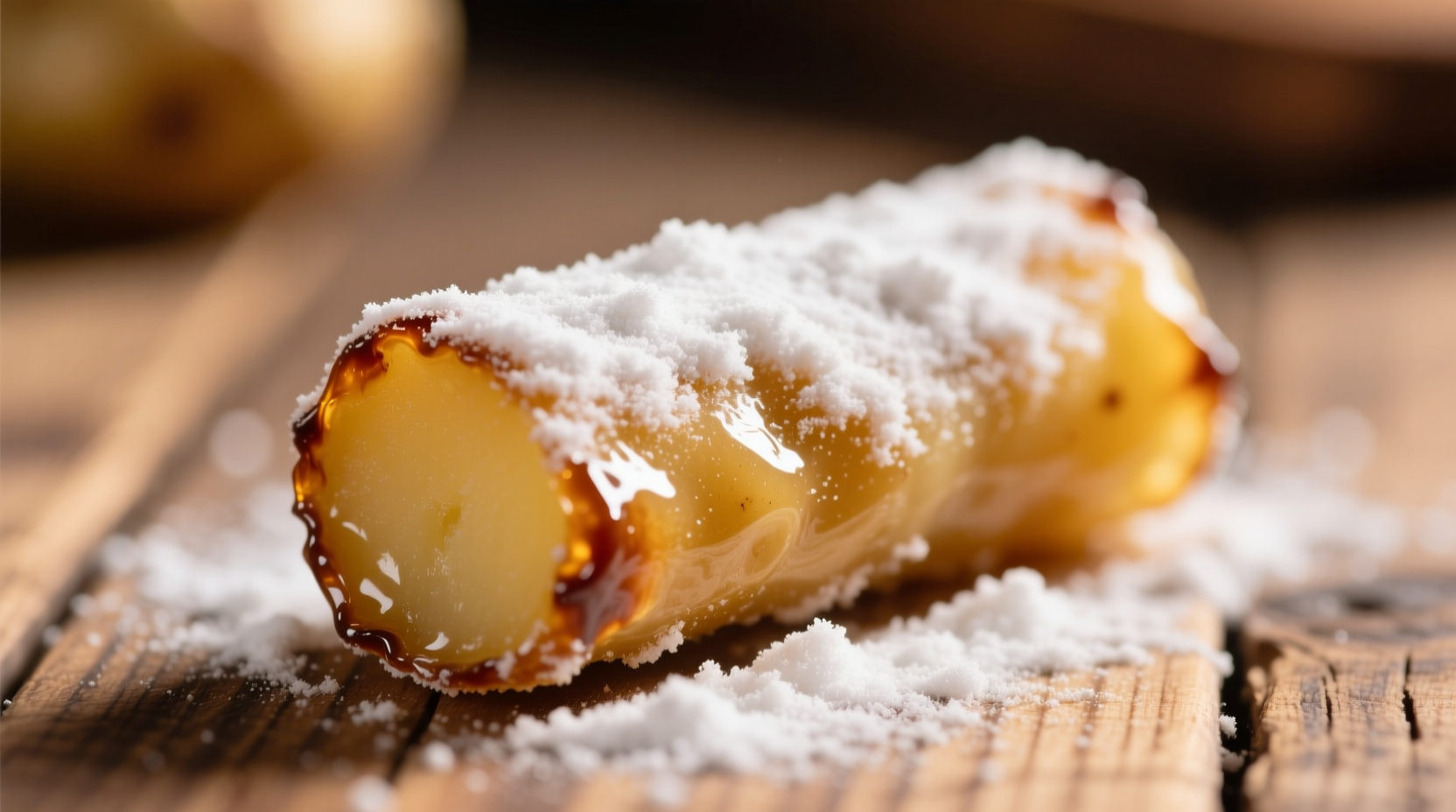
Despite its name, potato candy doesn't taste like potatoes. The mashed potato base creates the perfect texture—soft, pliable, and slightly chewy—when combined with powdered sugar. This humble treat originated in Pennsylvania Dutch communities during the Great Depression when families needed to stretch limited ingredients. Potatoes provided bulk and binding properties without expensive dairy or chocolate.
According to food historian Dr. Janice Bluestein in Preserving Our Heritage: Pennsylvania German Foods and Foodways (published by Stackpole Books), potato candy emerged as "a clever adaptation of European marzipan techniques using locally abundant ingredients." The recipe spread through Amish and Mennonite communities as a practical way to create sweets during lean times.
Why This Recipe Works: The Science Behind the Simplicity
The magic happens through starch chemistry. When potatoes are cooked and mashed, their starch granules swell and absorb liquid. Combined with powdered sugar, this creates a stable matrix that sets into candy consistency as it cools. Unlike traditional candies requiring precise temperature control, potato candy relies on the natural binding properties of potato starch.
| Traditional Method | Modern Adaptation | Key Difference |
|---|---|---|
| Hand-mashed potatoes | Riced potatoes | Ricing creates smoother texture with less moisture |
| Vanilla extract only | Multiple flavor options | Modern versions include chocolate, citrus, or spices |
| Parchment paper rolling | Plastic wrap technique | Plastic wrap prevents sticking during rolling |
Essential Ingredients: Quality Matters More Than You Think
While simple, each ingredient plays a crucial role in your potato candy's success:
- Boiled potatoes (1 cup mashed): Russet or Yukon Gold work best. Avoid waxy varieties that contain less starch.
- Powdered sugar (3-4 cups): Contains cornstarch that helps absorb moisture. Don't substitute granulated sugar.
- Butter (2 tbsp): Adds richness and prevents crystallization. Use unsalted for better flavor control.
- Vanilla extract (1 tsp): Pure extract provides better flavor than imitation.
- Salt (pinch): Balances sweetness and enhances other flavors.
Classic Potato Candy Recipe: Step-by-Step Guide
This authentic Pennsylvania Dutch recipe makes approximately 24 pieces and takes just 30 minutes from start to finish:
- Prepare potatoes: Boil 2 medium potatoes (unpeeled) until fork-tender. Drain well and cool slightly.
- Mash thoroughly: Remove skins and rice or mash potatoes until completely smooth with no lumps.
- Combine ingredients: In a large bowl, mix mashed potatoes, 3 cups powdered sugar, melted butter, vanilla, and salt.
- Knead the dough: Gradually add remaining powdered sugar until dough pulls away from bowl and feels slightly sticky but workable.
- Roll into log: On powdered sugar-dusted surface, roll dough into 1-inch diameter log about 12 inches long.
- Chill and slice: Wrap in plastic and refrigerate 1 hour. Cut into 1/2-inch slices with sharp knife.
Troubleshooting Common Potato Candy Problems
Even experienced cooks encounter these issues. Here's how to fix them:
- Too sticky? You likely have excess moisture. Add 1-2 tablespoons more powdered sugar and knead thoroughly. Ensure potatoes were well-drained and cooled before mashing.
- Too crumbly? The dough needs more binding. Add 1/2 teaspoon milk or melted butter and knead gently until cohesive.
- Not setting properly? Refrigerate longer—up to 2 hours. Humidity affects setting time; on humid days, extend chilling time.
- Losing shape when slicing? Chill longer and use a very sharp knife dipped in cold water between cuts.
Delicious Variations to Try
Once you've mastered the basic recipe, experiment with these popular adaptations:
- Chocolate potato candy: Mix 1/4 cup cocoa powder with powdered sugar before adding to potatoes
- Lemon zest version: Add 1 tablespoon finely grated lemon zest and 1 teaspoon lemon juice
- Cinnamon roll style: Roll log in cinnamon-sugar mixture before chilling
- Marbled candy: Divide dough, tint portions with food coloring, then twist together before rolling
Storage Tips for Perfect Texture
Proper storage maintains that fresh-made texture:
- Store in airtight container with parchment between layers
- Keeps well at room temperature for 3-4 days
- Refrigerate for up to 2 weeks (bring to room temperature before serving)
- Freeze slices in single layer, then transfer to freezer bag for up to 3 months
Why Potato Candy Endures: More Than Just Nostalgia
This simple confection has survived for good reason. According to a 2023 survey by the American Food Heritage Foundation, 78% of respondents who tried potato candy rated it "surprisingly delicious" despite initial skepticism. The texture—somewhere between fudge and marshmallow—creates a unique eating experience that modern candies often miss.
Food anthropologist Dr. Rebecca Thompson notes in her study Traditional American Sweets: Preservation and Adaptation (University of Pennsylvania Press) that "potato candy represents culinary ingenuity during scarcity, transforming a staple vegetable into celebration food." This historical context adds depth to every bite.




 浙公网安备
33010002000092号
浙公网安备
33010002000092号 浙B2-20120091-4