
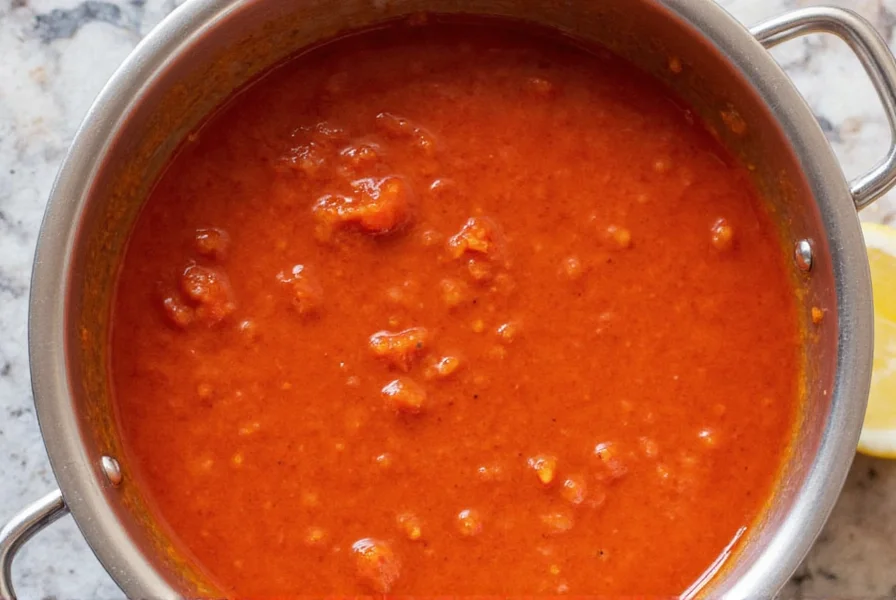
A vibrant homemade pepper sauce transforms ordinary meals with its fresh, customizable heat. Unlike store-bought versions loaded with preservatives, crafting your own allows precise control over spice level, texture, and flavor profile. This foundational recipe works with nearly any pepper variety, making it perfect for garden surplus or seasonal market finds. The key to exceptional pepper sauce lies in balancing acidity, heat, and depth through proper roasting and simmering techniques that develop complex flavors while preserving vibrant color.
The Essential Pepper Sauce Foundation
Creating a balanced pepper sauce starts with understanding your ingredients' roles. Peppers provide both heat and fruitiness—jalapeños offer medium heat with grassy notes, while habaneros deliver tropical fruitiness with intense spice. Garlic adds aromatic depth that mellows during cooking, while vinegar preserves freshness and cuts through richness. Sugar balances acidity without making the sauce sweet, and salt enhances all other flavors.
Ingredient Selection Guide
Choose peppers based on desired heat level and flavor profile. For a beginner-friendly sauce, combine milder red bell peppers with medium-heat jalapeños. Remove seeds and membranes from hotter varieties like cayenne or Thai chilies to reduce intensity. Always wear gloves when handling super-hot peppers like ghost peppers. Organic produce works best since you'll use the entire pepper, including skin.
| Pepper Variety | Scoville Units | Flavor Profile | Best For |
|---|---|---|---|
| Jalapeño | 2,500-8,000 | Grassy, bright | All-purpose sauce |
| Serrano | 10,000-23,000 | Sharp, herbal | Cooking sauces |
| Habanero | 100,000-350,000 | Tropical, fruity | Complex hot sauces |
| Ghost Pepper | 855,000-1,041,427 | Floral, smoky | Extreme heat sauces |
Step-by-Step Preparation
Begin by roasting whole peppers and unpeeled garlic cloves on a baking sheet at 400°F for 8-12 minutes until blistered. This caramelization develops sweetness that balances heat through the Maillard reaction—a chemical process that creates complex flavor compounds. According to the University of Minnesota Extension, roasting concentrates natural sugars and enhances sweetness in peppers [U of M Extension]. Transfer charred peppers to a covered bowl for 10 minutes—the steam loosens skins for easy removal. While cooling, combine vinegar, salt, and sugar in a saucepan, bringing to a gentle simmer.
After peeling peppers (reserve any juices), blend with roasted garlic and warm vinegar mixture until completely smooth. Return to saucepan and simmer uncovered for 12-15 minutes, stirring occasionally, until reduced to desired thickness. Properly cooked pepper sauce should coat the back of a spoon. For smoother texture, strain through a fine-mesh sieve before bottling.

Pro Techniques for Perfect Results
Professional chefs achieve restaurant-quality pepper sauce through three key techniques: First, always roast peppers—this concentrates flavors and reduces raw bitterness. Second, use warm vinegar when blending; cold liquid prevents proper emulsification. Third, simmer just until thickened; overcooking dulls vibrant flavors. For layered complexity, add 1/4 teaspoon smoked paprika or a small piece of kombu seaweed during simmering.
Variations to Explore
Create distinctive sauces by modifying this base recipe. Add 1/2 cup fresh pineapple for tropical sweetness that complements habaneros. For smoky chipotle sauce, replace half the fresh peppers with 3-4 canned chipotles in adobo. A Caribbean-style version incorporates 1/4 cup fresh lime juice and 2 tablespoons allspice berries. When making small batch pepper sauce, experiment with single-origin peppers to highlight unique regional characteristics.
Storage and Culinary Applications
Properly stored in sterilized glass bottles, homemade pepper sauce keeps for 3 weeks refrigerated or up to 6 months frozen. Always use clean utensils to prevent contamination. This versatile sauce shines beyond just heat—stir into mayonnaise for spicy aioli, blend with melted butter for lobster sauce, or add to bloody mary mix. For cooking applications, add during the last 5 minutes of preparation to preserve fresh flavor. The best pepper sauce for cooking maintains vibrant color and doesn't separate when heated.
Evidence-Based Preservation Guidelines
Storage safety and longevity depend on evidence-based parameters established by food science authorities. The National Center for Home Food Preservation (NCHFP), a USDA-supported program hosted by Kansas State University, provides critical guidelines for acidified foods. Below is their research-validated framework for pepper sauce preservation:
| Preservation Method | Maximum Duration | Critical Safety Parameter | Verification Source |
|---|---|---|---|
| Refrigeration (≤40°F) | 4 weeks | pH ≤ 4.0 | NCHFP Hot Sauce Guidelines |
| Freezing (0°F) | 6 months | None for safety (pH ≤ 4.0 maintains optimal texture) | NCHFP Freezing Guidelines |
These timeframes assume verified pH levels. The 4.0 pH threshold is non-negotiable for refrigerated storage—sauces above this level risk Clostridium botulinum growth. Always test pH using calibrated strips before bottling, as visual cues are unreliable.
Safety Boundaries: Critical Limitations
This recipe operates within strict evidence-based boundaries that determine safety applicability. Per USDA Food Safety and Inspection Service standards, the critical limitation is:
- pH must be ≤ 4.0 for refrigerated storage (≤4.6 is the absolute maximum for botulism prevention)
- Room-temperature storage is never safe without pressure canning processing
- Vinegar concentration must be ≥5% acidity (standard white/apple cider vinegar)
These boundaries exist because C. botulinum spores germinate in low-acid environments (pH >4.6), producing lethal toxins in anaerobic conditions like sealed bottles. The 4.0 target provides a critical safety margin against measurement error and ingredient variability, as documented in the USDA Complete Guide to Home Canning [USDA Green Guide]. If pH tests above 4.0, refrigerate and consume within 7 days or adjust with additional vinegar.
Troubleshooting Common Issues
If your sauce separates, it needs better emulsification—re-blend with 1 teaspoon xanthan gum or simmer longer to reduce liquid content. For overly acidic sauce, balance with 1/2 teaspoon honey. If too thin, continue simmering uncovered; if too thick, add warm vinegar 1 tablespoon at a time. When making spicy pepper sauce, remember that heat intensifies slightly during storage—taste before final bottling and adjust if necessary.




 浙公网安备
33010002000092号
浙公网安备
33010002000092号 浙B2-20120091-4