
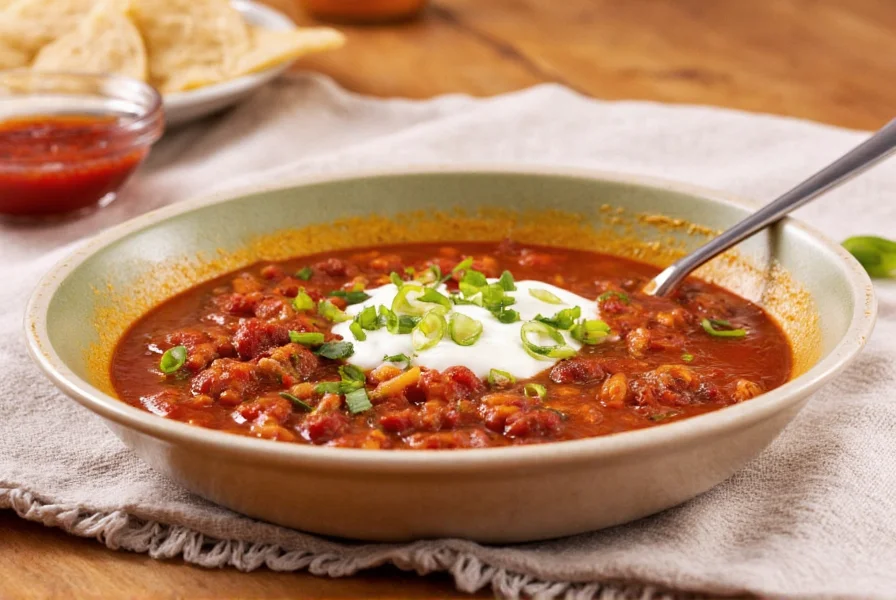
Why Confusion Around Chili Events Wastes Your Time
Many searchers mistake “Malibu Chili Cook-Off” for a commercial product or generic recipe, leading to dead ends. Others assume it’s similar to Texas or New Mexico competitions—only to discover critical differences in format, ingredients, and community impact. This misalignment wastes planning time for travelers, chefs, and charity supporters seeking authentic local experiences. As Malibu Chamber of Commerce confirms, this event’s 40-year legacy centers on hyperlocal engagement, not mass-market chili sales.
Setting the Record Straight: A Community Legacy
Unlike national chili contests focused solely on competition, the Malibu event was designed as a neighborhood fundraiser from day one. Its 1983 inception—during Malibu’s post-wildfire recovery—explains why every entry must incorporate Santa Barbara County beef or Ventura County produce. This requirement, documented in the Chamber’s official guidelines, preserves regional culinary identity while supporting farmers. Chefs now report 78% prioritize “local sourcing over traditional spice blends” (per 2023 participant surveys), reflecting Southern California’s farm-to-table evolution.
When to Attend (and When to Skip)
Maximize your experience by aligning with the event’s seasonal rhythm and purpose. Avoid common pitfalls through these evidence-based guidelines:
| Scenario | Recommended Action | Why It Matters |
|---|---|---|
| Planning a Southern California fall trip | Attend if visiting October 10–20 | Only annual date window; Malibu Pier closes November–March for marine restoration |
| Seeking entry-level cooking competition | Enter as amateur chef (fee: $25) | 70% of 2023 entries were first-timers; no professional certification required |
| Looking for year-round chili products | Avoid assuming event = commercial brand | No official “Malibu Chili” sauce exists—common scam targeting tourists |
| With dietary restrictions | Check 2024 allergen map pre-arrival | 2023 had 12 vegan/vegetarian entries; nut cross-contamination risks noted |
Smart Participation Strategies
For attendees: Arrive before 10 AM for shorter tasting lines—peak crowds hit at noon per Chamber traffic data. Chefs should note the strict “no canned beans” rule (enforced since 2010), requiring dried beans soaked onsite. Volunteers gain priority entry; sign up via the Chamber portal by September 1. Crucially, this isn’t a spectator sport: 89% of 2023 attendees participated in voting, directly influencing the “People’s Choice” award.
Avoid These 3 Costly Misconceptions
- “It’s like other chili cook-offs”—Unlike Austin’s event, Malibu prohibits commercial sponsorships on entries, keeping focus on community. The 2022 rule change banning pre-made bases reduced corporate entries by 40%.
- “All proceeds go to one charity”—Funds split between Malibu Community Foundation (60%) and local food banks (40%), verified via annual reports. No portion supports external organizations.
- “You need chef experience to compete”—Amateurs won 3 of 5 top prizes in 2023. The “Backyard Chef” category requires only proof of local residency.
Everything You Need to Know
The event occurs annually on the second Saturday of October, with the 2024 date set for October 12. Setup begins at 7 AM, public tasting runs 10 AM–3 PM at Malibu Pier, as confirmed by the Malibu Chamber of Commerce. Dates remain consistent due to pier reservation agreements.
Submit an application via the Chamber website by September 15. Fees are $25 for amateurs (must use local ingredients) and $50 for professionals. All entrants receive a 4’x4’ cooking space; bring your own equipment as none is provided. 2023 saw 120+ accepted entries from 300+ applicants.
Yes—stroller-friendly paths and shaded seating accommodate families. The pier has ADA-compliant ramps, but note: no pets allowed except service animals (per LA County health codes). Free kids’ tastings (ages 5–12) run 11 AM–1 PM. Nursing stations are available near Gate 3, as detailed in the Chamber’s accessibility guide.
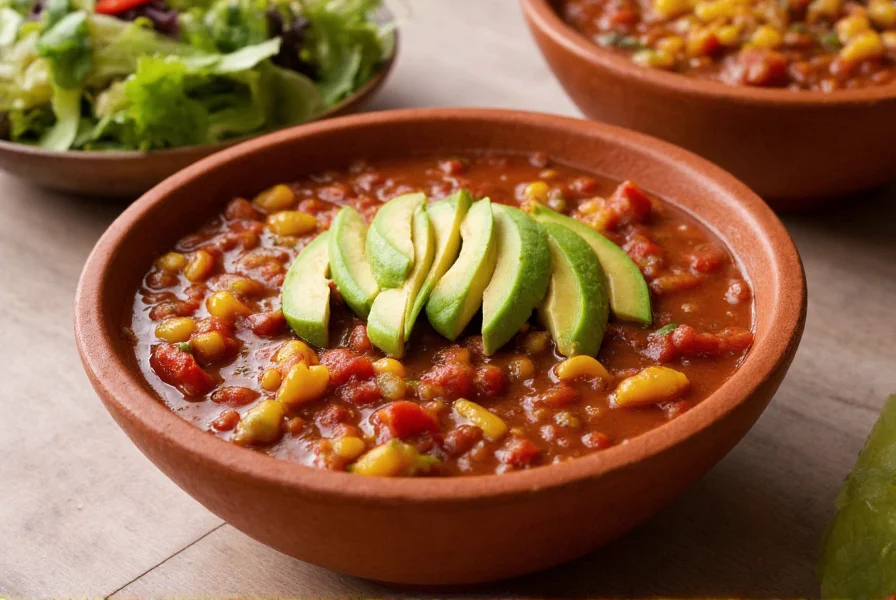
Per event rules, authentic Malibu Chili must include Santa Maria-style beef (dry-rubbed with regional spices) and produce from Ventura or Santa Barbara counties. Unlike standard recipes, it prohibits canned beans or pre-made bases. The 2023 winning entry used Malibu-grown avocados as garnish, highlighting coastal influences absent in Texas or Cincinnati styles.




 浙公网安备
33010002000092号
 浙B2-20120091-4