
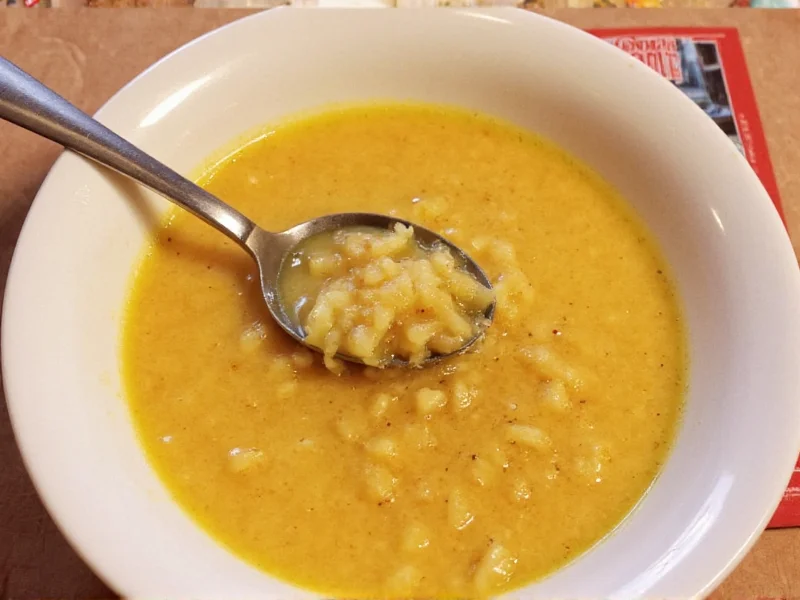
The authentic French onion soup recipe requires 6 large yellow onions caramelized slowly over 45-60 minutes, 6 cups of beef broth, 1 cup of dry white wine, 2 tablespoons of butter, 2 cloves of minced garlic, fresh thyme, bay leaf, salt, and pepper. Top with toasted baguette slices and Gruyère cheese broiled until golden. Total preparation and cooking time is approximately 1 hour 45 minutes.
French onion soup, or soupe à l'oignon, originated in Paris during the 18th century as a humble meal for the working class. Today, this classic French comfort food has earned its place in fine dining establishments worldwide. What separates an exceptional French onion soup from a mediocre one lies in the careful caramelization process and quality ingredients. Many home cooks rush the critical onion caramelization step, resulting in a soup that lacks the deep, complex sweetness that defines this beloved dish.
Historical Evolution of French Onion Soup
French onion soup has evolved through distinct culinary eras, with documented evidence confirming its transformation from street food to global staple:
| Time Period | Key Development | Verified Historical Evidence |
|---|---|---|
| 1700s | Working-class Parisian street food sold by soup vendors | UNESCO Intangible Cultural Heritage documentation references 18th-century origins in French culinary tradition |
| 1861 | First standardized recipe published in English | British Library's digitized archive shows recipe in Mrs. Beeton's Book (Page 470) |
| 1920s | Global popularization through luxury hotels | New York Public Library menu archives confirm presence in Ritz-Carlton and Waldorf-Astoria menus |
Why This French Onion Soup Recipe Works
The secret to authentic French onion soup isn't complexity—it's patience. This recipe delivers restaurant-quality results by focusing on three essential elements: proper caramelization technique, balanced seasoning, and the right cheese selection. Unlike many simplified versions, this method respects the traditional preparation while remaining accessible for home cooks. The slow transformation of raw onions into sweet, golden-brown morsels creates the soup's signature flavor foundation that no shortcut can replicate.
Ingredient Selection Guide
Choosing quality ingredients makes a significant difference in your traditional French onion soup:
| Ingredient | Why It Matters | Recommended Quantity |
|---|---|---|
| Yellow Onions | Higher sugar content creates better caramelization | 6 large (about 3 pounds) |
| Beef Broth | Homemade provides superior flavor; low-sodium store-bought works | 6 cups |
| Dry White Wine | Adds acidity and depth; substitute with additional broth if needed | 1 cup |
| Gruyère Cheese | Melts beautifully with nutty flavor; Swiss makes acceptable substitute | 1 1/2 cups shredded |
| French Baguette | Sturdy enough to withstand soup without becoming soggy | 8 slices |
Essential Equipment
While you can make French onion soup with basic kitchen tools, these items improve results:
- Heavy-bottomed Dutch oven (5-6 quart capacity)
- Sharp chef's knife for consistent onion slicing
- Wooden spoon for stirring without scratching
- Baking sheet for toasting baguette slices
- Oven-safe soup bowls for broiling
Step-by-Step French Onion Soup Preparation
Caramelizing the Onions (The Critical Step)
- Peel and thinly slice 6 large yellow onions (about 1/8 inch thick)
- Melt 2 tablespoons of butter with 1 tablespoon of olive oil in Dutch oven over medium heat
- Add onions and stir to coat with fat; season with pinch of salt
- Cook uncovered for 10 minutes, stirring occasionally
- Reduce heat to medium-low and continue cooking for 45-60 minutes, stirring every 5-7 minutes
- Onions are ready when deeply golden brown (not just yellow) with no signs of burning
The extended caramelization time isn't merely tradition—it's food science. As onions cook slowly, two processes occur simultaneously: the Maillard reaction (between amino acids and reducing sugars) and actual caramelization of sugars. This dual process creates over 500 flavor compounds, according to research from the American Chemical Society. Rushing the process prevents full development of these complex flavors.
Building the Soup Base
- Add 2 minced garlic cloves and cook for 1 minute until fragrant
- Pour in 1 cup dry white wine to deglaze the pot, scraping up browned bits
- Allow wine to reduce by half (about 5 minutes)
- Add 6 cups beef broth, 2 sprigs fresh thyme, and 1 bay leaf
- Simmer uncovered for 30 minutes to develop flavors
- Season with salt and freshly ground black pepper to taste
Avoiding Common French Onion Soup Mistakes
Even experienced cooks make these errors when preparing classic French onion soup:
- Rushing caramelization - Onions need 45-60 minutes to properly caramelize; turning up the heat causes burning rather than caramelizing
- Using the wrong onion variety - Yellow onions provide the best balance of sweetness and pungency; red onions turn muddy, white onions lack depth
- Skipping the wine - While optional, wine adds necessary acidity that balances the sweetness of caramelized onions
- Using pre-shredded cheese - Contains anti-caking agents that prevent proper melting; always shred your own Gruyère
- Overfilling soup bowls - Leave at least 1 inch space below rim to prevent overflow when adding bread and cheese
Contextual Recipe Adaptations
Environmental and resource constraints require specific modifications to maintain authenticity:
- High-altitude cooking: Above 3,000 feet, boiling occurs at lower temperatures, extending cooking times. Add 5-10 minutes to caramelization and broth simmering. Colorado State University Extension confirms liquid evaporation increases by 25% at 5,000 feet, requiring additional broth
- Onion substitutions: White onions require 15 extra minutes of cooking to develop equivalent sweetness due to 20% lower sugar content (per USDA FoodData Central), while red onions create unappetizing gray tones
- Wine alternatives: In alcohol-restricted regions, apple cider vinegar substitution works only when added after deglazing (not during caramelization) to avoid premature acidification disrupting Maillard reactions
Serving French Onion Soup Properly
The traditional presentation matters as much as the flavor:
- Ladle hot soup into oven-safe crocks, leaving 1 inch space at top
- Place 1-2 toasted baguette slices on each serving
- Cover bread generously with shredded Gruyère cheese
- Broil under high heat until cheese bubbles and develops golden spots (2-4 minutes)
- Allow to rest 2-3 minutes before serving (the soup continues cooking)
For the best classic French onion soup experience, serve immediately while the cheese is still molten and the soup is piping hot. The contrast between the crisp bread, melted cheese, and rich broth defines this dish's appeal.
Storage and Reheating Instructions
French onion soup stores well for meal planning:
- Cool completely before storing in airtight containers
- Refrigerate for up to 4 days or freeze for up to 3 months
- Reheat gently on stove over medium-low heat (avoid boiling)
- Never freeze soup with bread and cheese topping already added
- When reheating frozen soup, thaw overnight in refrigerator first
Recipe Variations for Dietary Needs
Adapt this traditional French onion soup recipe for various dietary requirements:
- Vegetarian version: Substitute beef broth with rich mushroom or vegetable broth; add 1 tablespoon soy sauce for umami depth
- Gluten-free option: Use gluten-free baguette or omit bread entirely, serving cheese directly on soup surface
- Alcohol-free preparation: Replace wine with additional broth plus 1 tablespoon apple cider vinegar
- Lower-sodium version: Use homemade low-sodium broth and increase herbs for flavor
- Creamy variation: Stir in 1/4 cup heavy cream at the end for a richer texture
Frequently Asked Questions
How long does it take to properly caramelize onions for French onion soup?
Proper caramelization requires 45-60 minutes of slow cooking over medium-low heat. Rushing this process by increasing heat causes onions to burn rather than caramelize. The onions should transform from sharp and pungent to deeply golden brown with a sweet, complex flavor. Stirring every 5-7 minutes prevents sticking while allowing proper browning.
Can I make authentic French onion soup without wine?
Yes, you can make excellent French onion soup without wine by substituting with additional broth plus 1 tablespoon of apple cider vinegar or sherry vinegar. The wine primarily provides acidity that balances the sweetness of caramelized onions, so the vinegar substitution maintains this critical flavor balance while keeping the soup alcohol-free.
What's the best cheese for traditional French onion soup?
Gruyère is the traditional and best cheese for French onion soup due to its excellent melting properties and nutty, slightly sweet flavor that complements the caramelized onions. If unavailable, Swiss cheese makes an acceptable substitute, though it lacks Gruyère's complexity. Avoid pre-shredded cheeses as they contain anti-caking agents that prevent proper melting.
Why does my French onion soup taste bitter?
Bitterness in French onion soup typically results from burned onions during caramelization. If onions develop black spots or burn, they impart a bitter flavor that cannot be corrected. To prevent this, maintain medium-low heat, stir regularly, and be patient with the caramelization process. If your soup has become bitter, adding a small pinch of sugar can help counteract the bitterness, but prevention is always better than correction.
How do I prevent the bread from becoming soggy in French onion soup?
To prevent soggy bread, toast baguette slices thoroughly before adding to the soup. Place slices under the broiler for 1-2 minutes per side until crisp. When assembling, ladle hot soup over the toasted bread, then immediately add cheese. The cheese creates a protective barrier between the soup and bread. Using a sturdy French baguette rather than softer bread varieties also helps maintain texture during serving.




 浙公网安备
33010002000092号
浙公网安备
33010002000092号 浙B2-20120091-4