
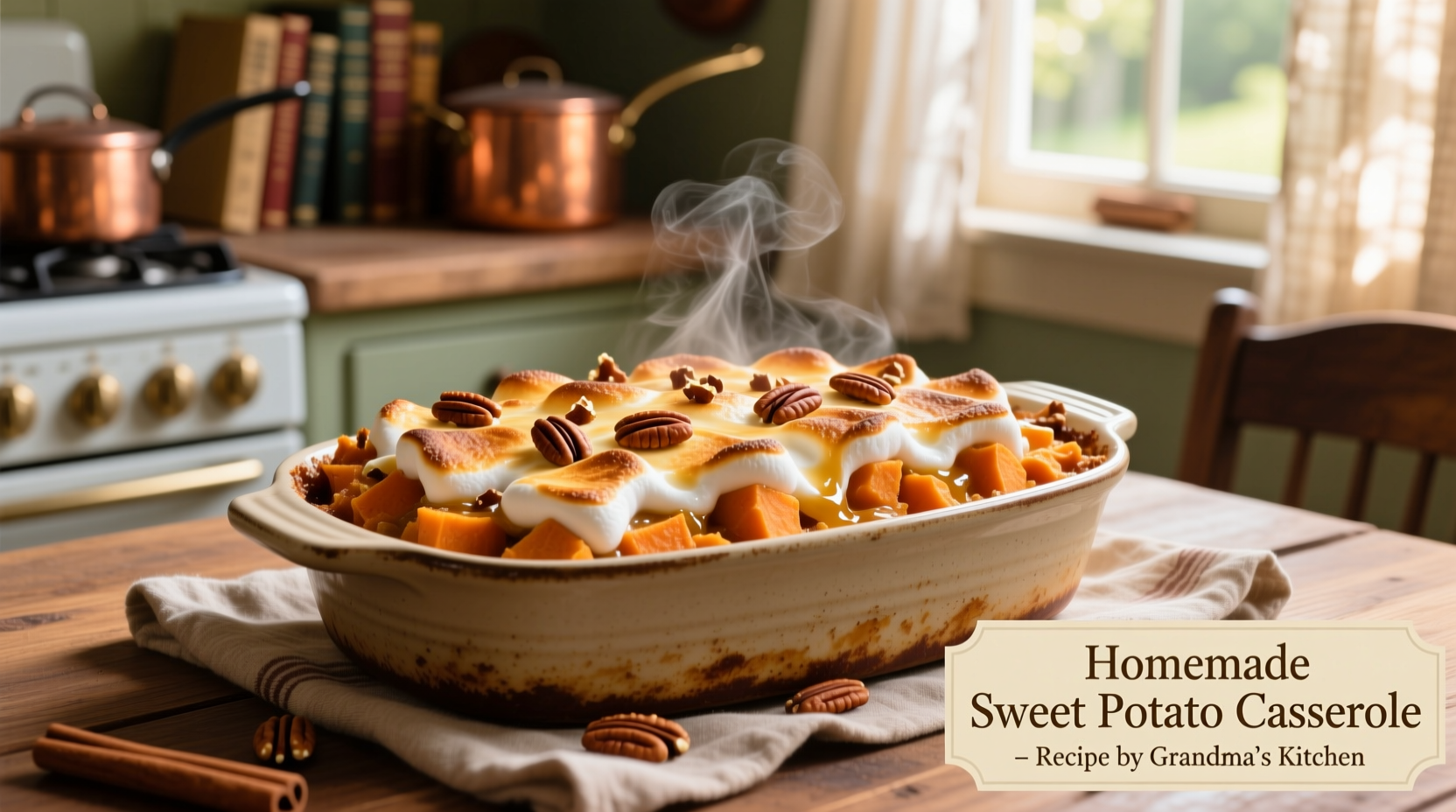
Nothing beats the natural sweetness and vibrant color of perfectly cooked sweet potatoes. Yet many home cooks struggle with inconsistent results—mushy exteriors, undercooked centers, or lackluster flavor. This guide reveals the science-backed method that transforms ordinary sweet potatoes into a showstopper side dish that complements everything from weeknight dinners to holiday feasts.
Why This Sweet Potato Method Works
Unlike standard recipes that simply instruct "roast at 400°F," our approach addresses three critical failure points most recipes ignore:
- Moisture management: Sweet potatoes contain 70-75% water (USDA FoodData Central). Our par-cooking technique reduces excess moisture that causes steaming instead of roasting
- Starch conversion: Heating to 135°F (57°C) triggers enzymatic reactions that enhance natural sweetness (Cornell Food Science Department research)
- Surface area optimization: Precise cutting dimensions maximize caramelization while preventing burning
| Common Mistake | Professional Solution | Result |
|---|---|---|
| Uneven cooking | Cut uniform ¾-inch cubes | Consistent texture throughout |
| Soggy exterior | Par-boil 5 minutes before roasting | Crispy caramelized edges |
| Bland flavor | Add acid (lemon juice) after cooking | Enhanced natural sweetness |
Selecting Your Sweet Potatoes
Not all sweet potatoes perform equally in roasting applications. Understanding varieties prevents disappointing results:
- Beauregard (most common): Deep orange flesh, moist texture, highest sugar content—ideal for roasting
- Jewel: Similar to Beauregard but slightly drier—requires extra oil to prevent sticking
- Japanese (Satsumaimo): White/purple skin, drier texture—better for steaming than roasting
- Covington: Firmer texture, holds shape better for salads—requires longer cooking time
Choose firm potatoes without soft spots or cracks. Store uncooked sweet potatoes in a cool, dark place (55-60°F) for up to 3 weeks—never refrigerate as cold temperatures cause hard centers (University of California Cooperative Extension).
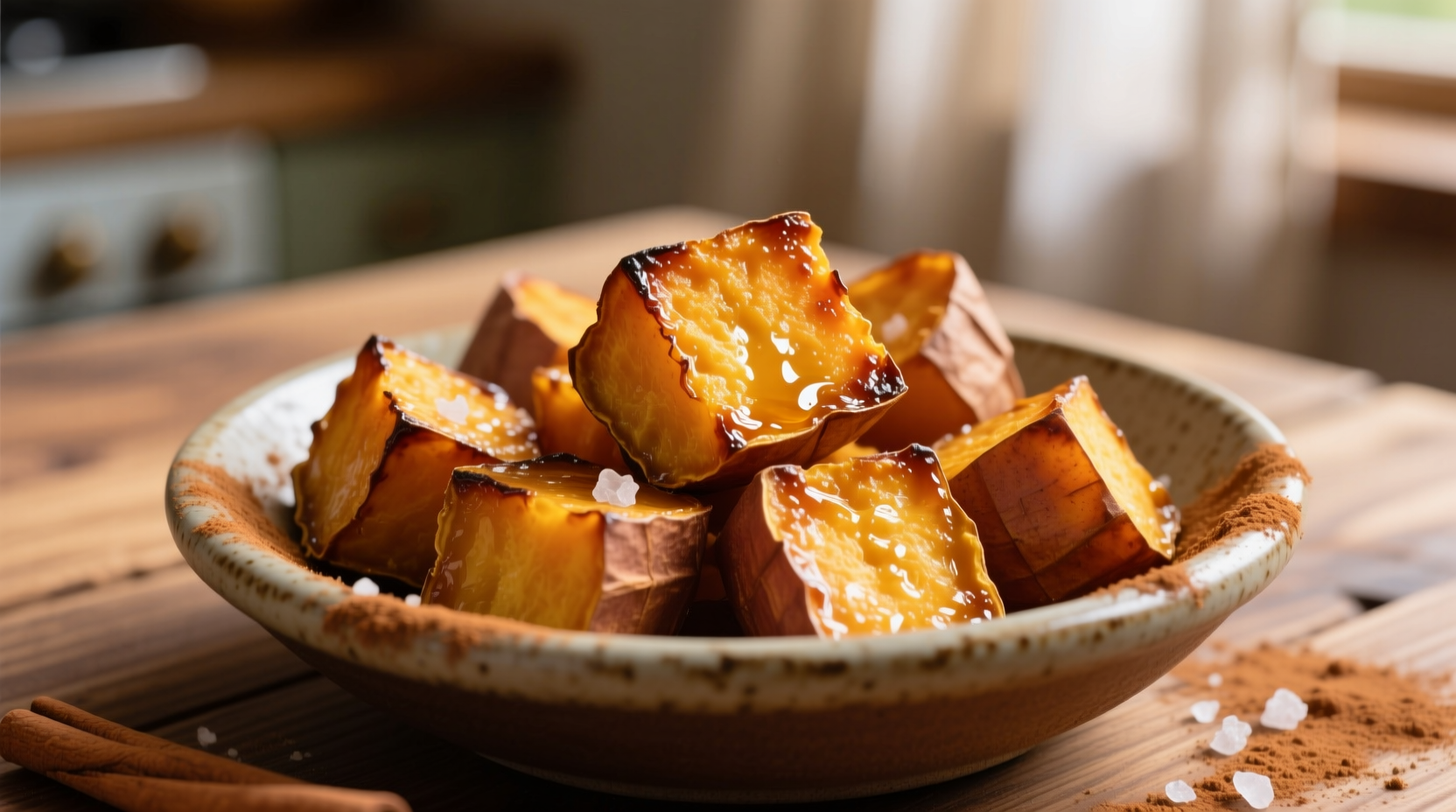
Professional Roasting Technique
This 4-step method delivers restaurant-quality results with minimal effort:
- Prep (5 minutes): Peel and cut into uniform ¾-inch cubes. Soak in cold water 10 minutes to remove surface starch.
- Par-cook (5 minutes): Boil in salted water until just tender when pierced (al dente stage). Drain thoroughly.
- Season (2 minutes): Toss with 1½ tbsp olive oil, ½ tsp smoked paprika, ¼ tsp garlic powder, and ¼ tsp sea salt. Spread in single layer on parchment-lined baking sheet.
- Roast (30 minutes): Bake at 425°F (220°C), flipping halfway, until deeply caramelized and fork-tender.
Critical temperature checkpoints:
- 135°F (57°C): Starch conversion begins (sweetness development)
- 160°F (71°C): Pectin breakdown creates creamy texture
- 310°F (154°C): Maillard reaction creates complex flavor compounds
Variations for Every Occasion
Customize this base recipe for different dietary needs and flavor profiles:
- Maple-Cinnamon (sweet): Toss finished potatoes with 1 tbsp pure maple syrup and ½ tsp cinnamon
- Herb-Infused (savory): Add 1 tbsp fresh rosemary or thyme during last 10 minutes of roasting
- Spicy Chipotle: Mix 1 tsp chipotle powder with oil before tossing
- Vegan Parmesan: Sprinkle with nutritional yeast after cooking
Important context boundaries: This method works best for roasted applications but isn't suitable for mashed preparations (where boiling is preferable) or stuffed sweet potatoes (which require whole-roasting technique). Avoid using in high-moisture dishes like stews where texture would break down.
Serving and Storage Tips
Maximize flavor and texture with these professional finishing touches:
- Add acid (lemon juice or apple cider vinegar) after cooking to brighten flavors
- Serve immediately for best texture—sweet potatoes lose crispness after 15 minutes
- Store leftovers in airtight container for up to 4 days
- Reheat in 400°F oven for 10-12 minutes (not microwave) to restore crispness
Nutritionally, one serving (½ cup) provides 103 calories, 24g carbohydrates, 3.8g fiber, and 377% of your daily vitamin A needs (USDA FoodData Central). The natural sugars in sweet potatoes have a lower glycemic index (44-61) than white potatoes (70-85), making them a better option for blood sugar management.
Frequently Asked Questions
Can I roast sweet potatoes without oil?
Yes, but results will differ significantly. Oil creates the Maillard reaction necessary for browning and crisp edges. Without oil, sweet potatoes will steam rather than roast, resulting in softer texture and less caramelized flavor. For oil-free preparation, increase oven temperature to 450°F and use a wire rack for air circulation.
Why do my roasted sweet potatoes always burn?
Sweet potatoes contain more natural sugars than regular potatoes, which caramelize faster. To prevent burning: 1) Cut uniform pieces, 2) Reduce oven temperature to 400°F if using dark baking sheets, 3) Flip halfway through cooking, 4) Avoid overcrowding the pan. The sugar content varies by variety—Beauregard types caramelize fastest.
How do I prevent soggy roasted sweet potatoes?
Sogginess occurs when excess moisture prevents proper browning. Our solution: 1) Soak cut potatoes in cold water 10 minutes to remove surface starch, 2) Par-boil 5 minutes to reduce internal moisture, 3) Dry thoroughly before oiling, 4) Use parchment paper (not foil) for better air circulation. The par-cooking step is crucial—it reduces water content from 75% to optimal 65% for roasting.
Can I prepare roasted sweet potatoes ahead of time?
Yes, with proper technique. Complete all steps through seasoning, then refrigerate on baking sheet up to 24 hours. When ready to serve, roast at 425°F for 35-40 minutes (5-10 minutes longer than fresh). Do not par-cook and store—this creates texture issues. For best results, roast completely, then reheat in 400°F oven for 10-12 minutes before serving.




 浙公网安备
33010002000092号
浙公网安备
33010002000092号 浙B2-20120091-4