

Yes, purple potato vine (Ipomoea batatas cultivars like 'Blackie' or 'Margarita') is a fast-growing ornamental sweet potato vine prized for its striking purple foliage. Unlike edible sweet potato varieties, these cultivars are primarily grown for visual appeal in gardens and containers, reaching 6-10 feet in a single season with proper care in USDA zones 9-11 or as annuals elsewhere.
Discover exactly how to grow vibrant purple potato vines that transform your garden spaces. This comprehensive guide delivers proven cultivation techniques used by professional horticulturists, including optimal planting conditions, seasonal care routines, and common pitfalls to avoid. You'll learn how to achieve maximum color intensity and vigorous growth whether you're using these striking plants as ground cover, container specimens, or dramatic vertical accents.
What Exactly Is Purple Potato Vine?
Purple potato vine refers to ornamental cultivars of Ipomoea batatas (sweet potato) specifically bred for their dramatic foliage rather than edible tubers. Unlike traditional sweet potatoes grown for harvest, varieties like 'Blackie,' 'Sweet Caroline Raven,' and 'Margarita' showcase deep purple to chartreuse leaves that create stunning visual impact in landscape designs.
According to the USDA Plants Database, these cultivars belong to the Convolvulaceae family and share botanical characteristics with edible sweet potatoes but have been selectively bred for ornamental value. The University of Florida IFAS Extension confirms that while the tubers of ornamental varieties are technically edible, they're generally not recommended for consumption due to inferior taste and texture compared to culinary varieties.
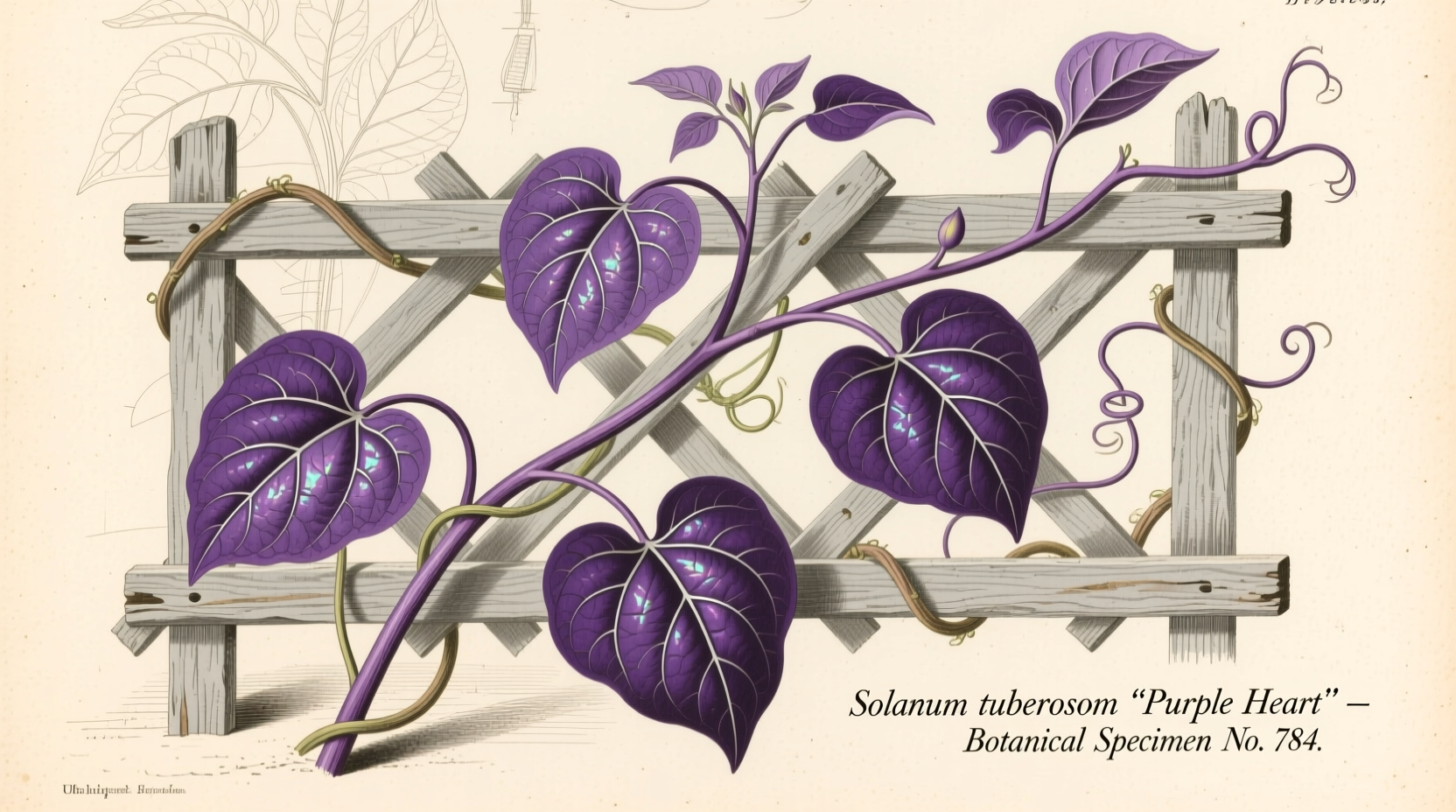
Key Identification Features
Recognizing authentic purple potato vine prevents confusion with similar-looking plants. These distinctive characteristics set true ornamental sweet potato vines apart:
- Leaf color: Deep purple to burgundy (in 'Blackie' types) or bright chartreuse (in 'Margarita' types)
- Leaf shape: Heart-shaped with pointed tips, typically 2-4 inches long
- Growth habit: Fast-spreading vine with trailing or climbing tendencies
- Flowers: Rarely blooms when grown ornamentally; small morning glory-like flowers when they appear
- Stems: Thick, smooth, and often purple-tinged
| Feature | Purple Potato Vine | Confusion Plants |
|---|---|---|
| Leaf Texture | Smooth, slightly succulent | Rough (common morning glory) |
| Growth Rate | Extremely fast (6-10 ft/season) | Moderate (most vines) |
| Tuber Production | Small, fibrous tubers | No tubers (most ornamentals) |
| Flowering | Rare in ornamental settings | Frequent (morning glories) |
Optimal Growing Conditions
Creating the perfect environment ensures your purple potato vine achieves maximum color vibrancy and growth potential. These science-backed requirements come from horticultural research conducted at major agricultural universities:
Sunlight Requirements
Purple potato vine thrives with 6-8 hours of direct sunlight daily. Research from Cornell University's School of Integrative Plant Science shows that plants grown in full sun develop significantly deeper purple pigmentation than those in partial shade. In extremely hot climates (zones 10-11), afternoon shade prevents leaf scorch while maintaining color intensity.
Soil Preferences
These plants prefer well-draining soil with moderate fertility. Contrary to popular belief, overly rich soil actually reduces color intensity. The University of California Master Gardener Program recommends amending native soil with 20-30% compost rather than using heavy fertilizers. Soil pH between 5.5-6.5 optimizes nutrient uptake for deepest purple foliage.
Climate Considerations
Purple potato vine grows as a perennial in USDA zones 9-11 but performs as an annual elsewhere. According to data from the USDA Plant Hardiness Zone Map, these plants require soil temperatures above 65°F (18°C) for optimal growth. In cooler zones, start plants indoors 4-6 weeks before the last frost date for maximum seasonal growth.
Planting & Establishment Process
Follow this professional horticulturist-approved planting sequence for vigorous establishment:
- Timing: Plant after soil reaches 65°F (typically 2-3 weeks after last frost)
- Spacing: Allow 12-18 inches between plants for ground cover; 24 inches for container specimens
- Planting depth: Set tubers or rooted cuttings 2-3 inches deep
- Initial watering: Water thoroughly after planting, then allow top inch of soil to dry between waterings
- First feeding: Apply balanced fertilizer (10-10-10) 3-4 weeks after planting
For container growing, select pots with drainage holes that are at least 12 inches in diameter. The Missouri Botanical Garden recommends using a soil-based potting mix rather than peat-heavy blends, which can become hydrophobic when dry.
Seasonal Care Calendar
Professional growers follow this precise seasonal maintenance schedule for optimal results:
Spring (Planting Season)
- Start tubers indoors 4-6 weeks before last frost
- Gradually acclimate plants to outdoor conditions (hardening off)
- Plant when soil temperature reaches 65°F
- Apply slow-release fertilizer at planting time
Summer (Peak Growth)
- Water deeply 1-2 times weekly (more in containers)
- Fertilize monthly with balanced formula
- Pinch back growing tips to encourage bushier growth
- Monitor for pests like spider mites in hot, dry conditions
Fall (Season End)
- Reduce watering as temperatures cool
- Stop fertilizing 6 weeks before first frost
- In zones 9-11, mulch heavily for winter protection
- Elsewhere, treat as annual or dig tubers for overwintering
Troubleshooting Common Issues
Address these frequent challenges with proven solutions:
Color Fading
Symptom: Leaves turning green instead of maintaining purple hue
Solution: Increase sunlight exposure and reduce nitrogen fertilizer. Research from Texas A&M AgriLife Extension shows that high nitrogen levels promote green chlorophyll production at the expense of anthocyanins responsible for purple coloration.
Leggy Growth
Symptom: Sparse foliage with long stems between leaves
Solution: Regularly pinch back growing tips and ensure adequate sunlight. The Royal Horticultural Society recommends trimming 2-3 inches from vine tips every 2-3 weeks during peak growth season to maintain compact form.
Pest Management
While generally pest-resistant, watch for these issues:
- Spider mites: Treat with insecticidal soap or neem oil
- Slugs/snails: Use copper tape barriers or iron phosphate baits
- Whiteflies: Introduce beneficial insects like ladybugs
Safety & Edibility Information
Understanding safety considerations prevents potential issues:
- Ornamental varieties are not toxic to humans or pets according to the ASPCA
- The tubers are technically edible but generally not recommended for consumption due to inferior taste and texture
- Never consume plants treated with non-edible pesticides or fertilizers
- Wash hands after handling if you have sensitive skin
The North Carolina State University Extension emphasizes that while ornamental sweet potato vines pose no significant toxicity risks, they should not be confused with true potato plants (Solanum tuberosum), which contain toxic glycoalkaloids in their foliage.
Design Applications & Creative Uses
Maximize visual impact with these professional landscape techniques:
- Container combinations: Pair with silver foliage plants like dichondra 'Silver Falls' for dramatic contrast
- Vertical gardening: Train on trellises or obelisks for striking focal points
- Ground cover: Use on slopes or banks where traditional ground covers struggle
- Seasonal transitions: Combine with fall-blooming flowers like chrysanthemums for extended interest
Landscape architects at the Brooklyn Botanic Garden frequently use purple potato vine as a "thriller" element in container "thriller-filler-spiller" designs, where its dramatic color and trailing habit create immediate visual impact.
Frequently Asked Questions
Can I grow purple potato vine indoors?
Yes, with proper conditions. Provide bright indirect light (south-facing window), maintain temperatures between 65-80°F, and water when the top inch of soil dries. Indoor plants typically grow more slowly and may require supplemental lighting during winter months.
Why are my purple potato vine leaves turning yellow?
Yellowing leaves usually indicate overwatering or poor drainage. Allow soil to dry slightly between waterings and ensure containers have adequate drainage. Nutrient deficiencies (particularly iron) can also cause yellowing between veins while veins remain green.
How do I overwinter purple potato vine in cold climates?
Before first frost, dig tubers and store in slightly moist peat moss or vermiculite at 50-60°F. Check monthly for rot and mist if storage medium dries out. Start new plants indoors 4-6 weeks before last frost date.
Is purple potato vine invasive?
In USDA zones 9-11, purple potato vine can become aggressive. The University of California Integrated Pest Management Program notes that while not officially listed as invasive, it can spread rapidly in favorable conditions. Contain growth with root barriers or regular pruning.




 浙公网安备
33010002000092号
浙公网安备
33010002000092号 浙B2-20120091-4