
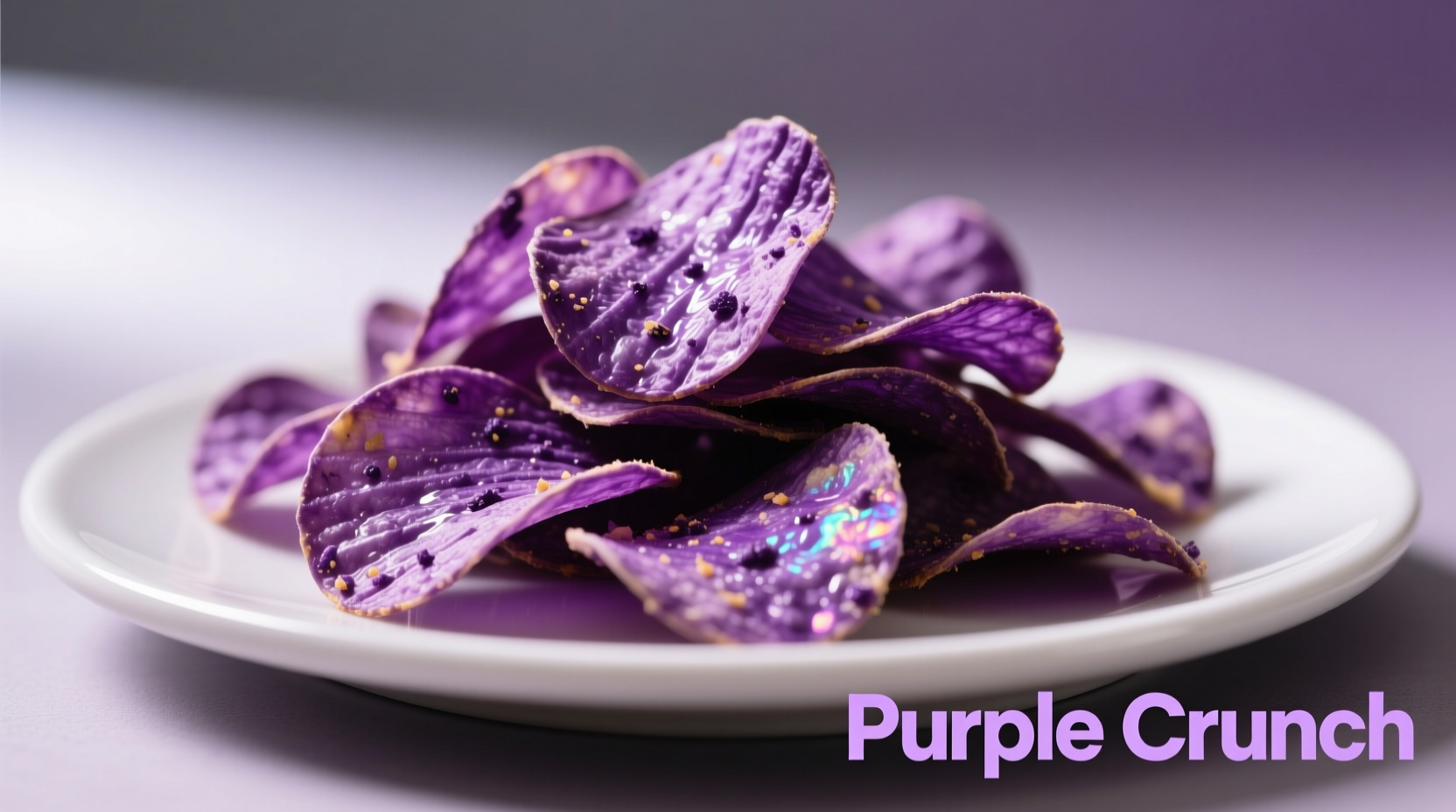
What Makes Purple Potato Chips Different?
Purple potato chips derive their distinctive color from anthocyanins, water-soluble pigments naturally present in certain potato varieties like the Peruvian "papa nativa" and newer commercial cultivars such as Purple Majesty and All Blue. Unlike regular potato chips made from white-fleshed varieties, these specialty chips maintain their vibrant hue throughout the cooking process without artificial coloring.
Originating in the Andean region of South America, purple potatoes have been cultivated for thousands of years by indigenous communities. Modern agricultural science has developed stable varieties suitable for commercial chip production while preserving their natural color compounds. The anthocyanin concentration varies by potato variety, growing conditions, and processing methods—factors that directly impact both visual appeal and potential health benefits.
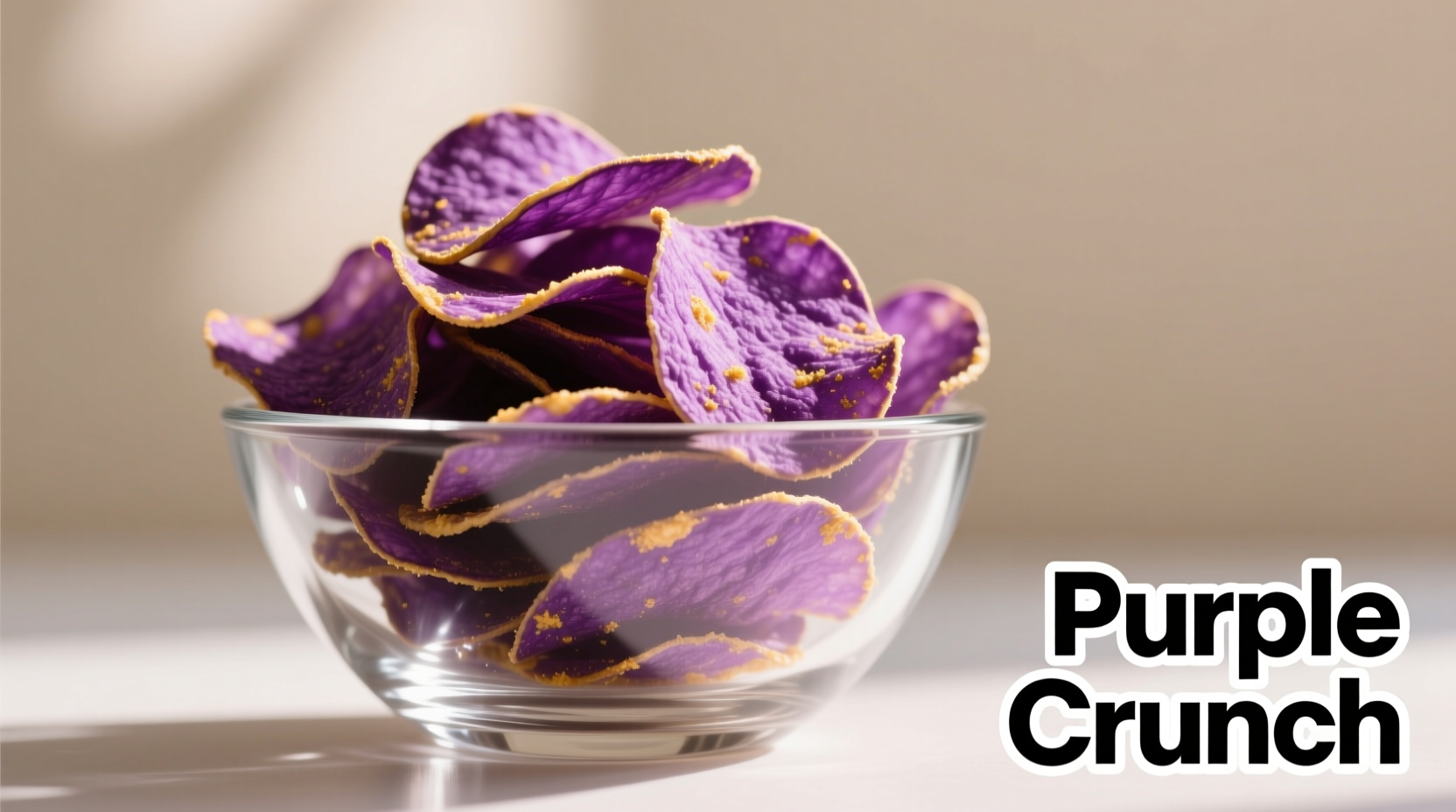
Nutritional Profile: Science-Backed Comparison
While all potato chips are calorie-dense snacks, purple varieties offer distinct nutritional advantages worth understanding. The key difference lies not in calorie reduction but in the presence of bioactive compounds that may provide additional health benefits when consumed as part of a balanced diet.
| Nutrient | Purple Potato Chips (1 oz) | Regular Potato Chips (1 oz) |
|---|---|---|
| Calories | 150 | 152 |
| Total Fat | 10g | 10g |
| Carbohydrates | 15g | 16g |
| Fiber | 2g | 1.5g |
| Glycemic Index | 56 (Medium) | 70 (High) |
| Anthocyanins | 15-25mg | Trace |
Data sourced from USDA FoodData Central and peer-reviewed research published in the Journal of Agricultural and Food Chemistry confirms that purple potatoes contain significantly higher levels of anthocyanins compared to white varieties. These compounds function as antioxidants that may help reduce oxidative stress in the body. However, the frying process does reduce some antioxidant content compared to raw or baked preparations.
Understanding Anthocyanin Benefits and Limitations
The anthocyanins in purple potato chips provide more than just visual appeal. According to research from the USDA Agricultural Research Service, these compounds demonstrate antioxidant activity that may support cardiovascular health and cognitive function. However, it's crucial to understand the context:
- Purple potato chips contain significantly less anthocyanins than raw purple potatoes due to processing
- The health benefits observed in studies typically involve higher concentrations than found in snack portions
- These chips remain a high-calorie, high-sodium food that should be consumed in moderation
- No credible research suggests purple potato chips can reverse chronic health conditions
As noted by nutrition researchers at the University of Maine in their comprehensive review of colored potato varieties, “While purple potatoes offer nutritional advantages over white varieties, processing into chips reduces some beneficial compounds. The healthiest preparation methods are boiling or baking with minimal added fats.”
Taste and Culinary Experience
Purple potato chips offer a subtly different sensory experience compared to traditional varieties. Many tasters note a slightly earthier flavor profile with hints of nuttiness, though the difference is often subtle when heavily salted or flavored. The texture remains remarkably similar to regular potato chips when properly prepared.
Culinary professionals appreciate purple potato chips for their visual contrast in plating. When serving with dips like guacamole or hummus, the vibrant color creates appealing presentation. For home cooks, they work particularly well in:
- Salad toppings (crumbled for texture)
- Casserole toppings (providing visual interest)
- Cheese board accompaniments (contrasting with white and orange cheeses)
- As a colorful alternative in traditional chip-based recipes
How Purple Potato Chips Are Made
Commercial production follows similar processes to regular potato chips but requires careful handling to preserve color integrity. Manufacturers typically:
- Select specific purple potato varieties bred for chip production
- Peel and slice potatoes to consistent thickness (usually 0.06-0.08 inches)
- Immediately submerge slices in acidulated water to prevent oxidation
- Fry at controlled temperatures (350-375°F) for precise durations
- Season immediately after frying while chips are still warm
Home preparation requires similar attention to detail. For best results when making purple potato chips at home:
- Use a mandoline slicer for uniform thickness
- Soak slices in vinegar-water solution (1 tablespoon vinegar per cup of water) for 15 minutes
- Dry slices thoroughly before frying or baking
- Bake at 400°F for 15-20 minutes for a lower-fat alternative
- Season immediately after cooking while chips are still warm
Storage and Quality Preservation
Purple potato chips maintain freshness similar to regular varieties but require attention to light exposure. The anthocyanins that provide their color can degrade when exposed to direct sunlight. For optimal shelf life:
- Store in original packaging until opened
- Transfer opened chips to airtight containers
- Keep away from direct light sources
- Consume within 3-5 days of opening for best quality
- Avoid humid environments that accelerate staleness
Signs of quality degradation include fading color (turning brownish), increased oiliness, and loss of crispness. While still safe to eat, these changes indicate reduced sensory quality.
Frequently Asked Questions
Are purple potato chips healthier than regular potato chips?
Purple potato chips contain higher levels of anthocyanins (antioxidants) and have a slightly lower glycemic index than regular potato chips. However, their calorie and fat content remains similar. While they offer some nutritional advantages, they should still be consumed in moderation as part of a balanced diet.
Do purple potato chips have artificial coloring?
No, authentic purple potato chips derive their color naturally from anthocyanins present in purple potato varieties. Check ingredient labels to ensure no artificial colors have been added, particularly in flavored varieties.
Why do some purple potato chips turn green?
Green discoloration occurs when purple potatoes are exposed to light, causing chlorophyll development. While generally safe to eat, this indicates improper storage. The green areas may have a slightly bitter taste compared to the vibrant purple sections.
Can I make purple potato chips at home?
Yes, you can make purple potato chips at home by thinly slicing purple potatoes, soaking them in vinegar-water solution, drying thoroughly, and either baking at 400°F for 15-20 minutes or carefully frying. Home preparation allows control over oil type and seasoning while preserving more nutrients than commercial frying.
Do purple potato chips taste different from regular chips?
Purple potato chips have a subtly earthier flavor profile with hints of nuttiness compared to regular potato chips. However, the difference is often minimal when heavily salted or flavored. The texture remains remarkably similar when properly prepared.




 浙公网安备
33010002000092号
浙公网安备
33010002000092号 浙B2-20120091-4