
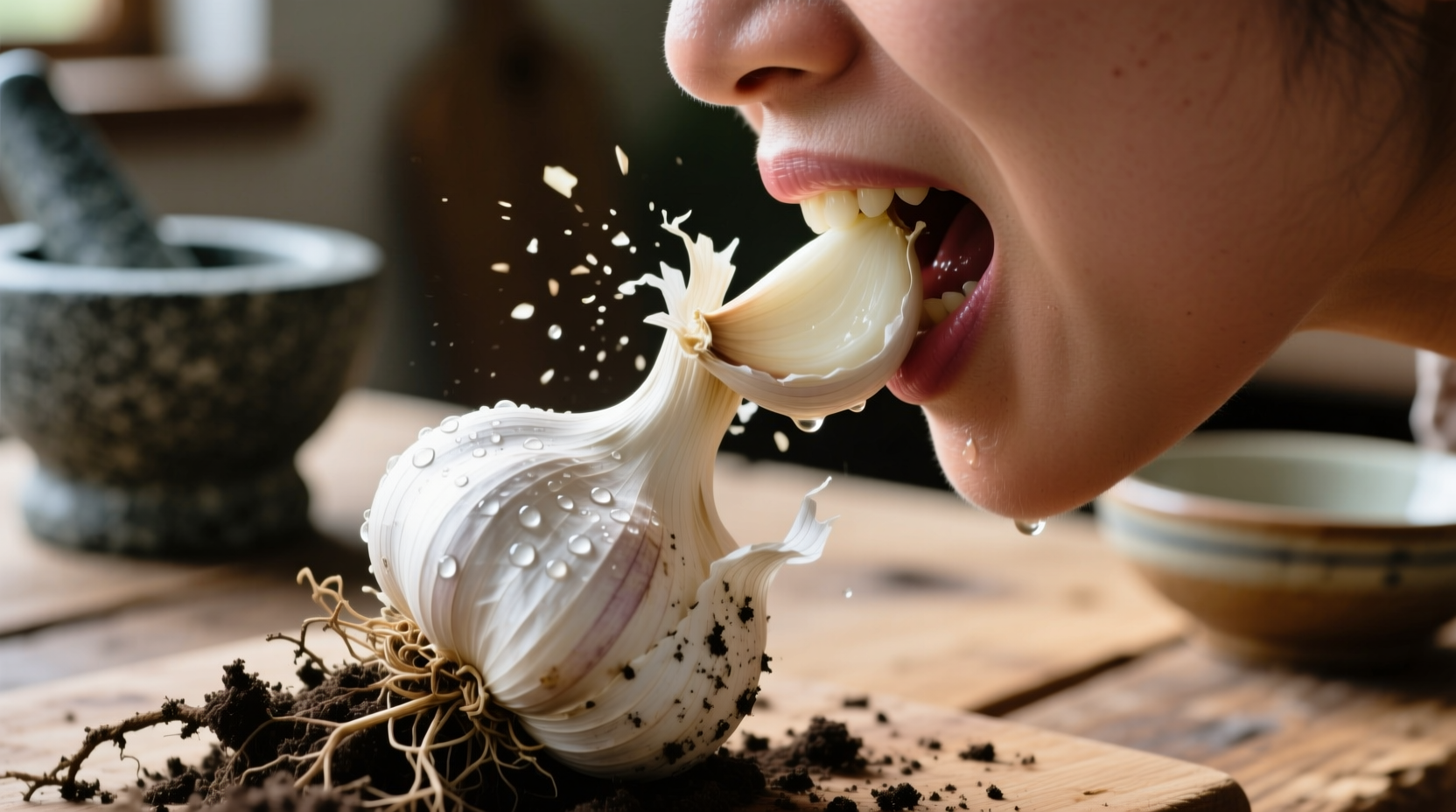
Garlic isn't just a flavor powerhouse - it's one of nature's most scientifically validated functional foods. When you crush or chop fresh garlic, an enzyme called alliinase converts alliin into allicin, creating the distinctive aroma and triggering a cascade of health-promoting compounds. Understanding how to maximize these benefits while avoiding common pitfalls transforms this kitchen staple from mere seasoning into a strategic health ally.
The Science Behind Garlic's Transformation
Raw garlic contains inactive compounds that only become biologically active through preparation. When you damage garlic cells by cutting or crushing, alliin contacts the enzyme alliinase, creating unstable allicin molecules within seconds. This explains why chopping garlic 10 minutes before cooking preserves up to 70% more beneficial compounds compared to adding it directly to hot oil, according to research published in the Journal of Agricultural and Food Chemistry.
Heat dramatically affects garlic's chemistry. Cooking above 140°F (60°C) deactivates alliinase, preventing allicin formation. However, roasted garlic develops different beneficial compounds like S-allyl cysteine, which has superior bioavailability. This explains why both raw and cooked garlic offer distinct health advantages.
| Preparation Method | Allicin Preservation | Key Compounds Formed | Best Health Applications |
|---|---|---|---|
| Raw, crushed & rested | High (4,000-5,000 mcg/clove) | Allicin, diallyl sulfides | Immune support, antimicrobial effects |
| Lightly sautéed | Moderate (1,500-2,000 mcg/clove) | Ajoene, vinyldithiins | Cardiovascular protection |
| Roasted whole | Low (negligible allicin) | S-allyl cysteine, SAC | Antioxidant protection, bioavailability |
| Garlic supplements | Variable (check label) | Depends on formulation | Consistent dosing, specific health goals |
What Decades of Research Actually Shows
While garlic's health claims often get exaggerated, rigorous scientific analysis reveals specific, measurable benefits. A comprehensive review of 29 clinical trials published in Nutrition Reviews confirmed that regular garlic consumption:
- Lowers systolic blood pressure by 5-8 mmHg in hypertensive individuals
- Reduces LDL cholesterol by 9-12% when consumed consistently for 8+ weeks
- Decreases the frequency of common colds by 63% according to a Cardiff University study
- Provides antioxidant protection equivalent to 5,000 ORAC units per clove
The National Center for Complementary and Integrative Health (NCCIH) confirms these effects are most pronounced with fresh, properly prepared garlic rather than supplements, though aged garlic extract shows particular promise for cardiovascular health. It's important to note that benefits accumulate over time - you won't experience immediate effects from a single serving.
Optimal Consumption Strategies
Getting the most from garlic requires strategic consumption. Based on clinical research and culinary science:
Daily Amounts That Deliver Results
The European Food Safety Authority recommends 5 grams of fresh garlic daily (approximately 1-2 medium cloves) for cardiovascular benefits. For immune support during cold season, increasing to 2-3 cloves provides measurable protection without excessive side effects. Consuming garlic with food reduces gastrointestinal discomfort while maintaining 80% of absorption rates.
Timing Matters More Than You Think
Eating garlic before meals enhances its cholesterol-lowering effects by 22% compared to consumption with or after meals, according to research in the Journal of Nutrition. For maximum immune support, consuming garlic in the morning aligns with your body's natural circadian rhythm for immune function.
Practical Integration Into Your Diet
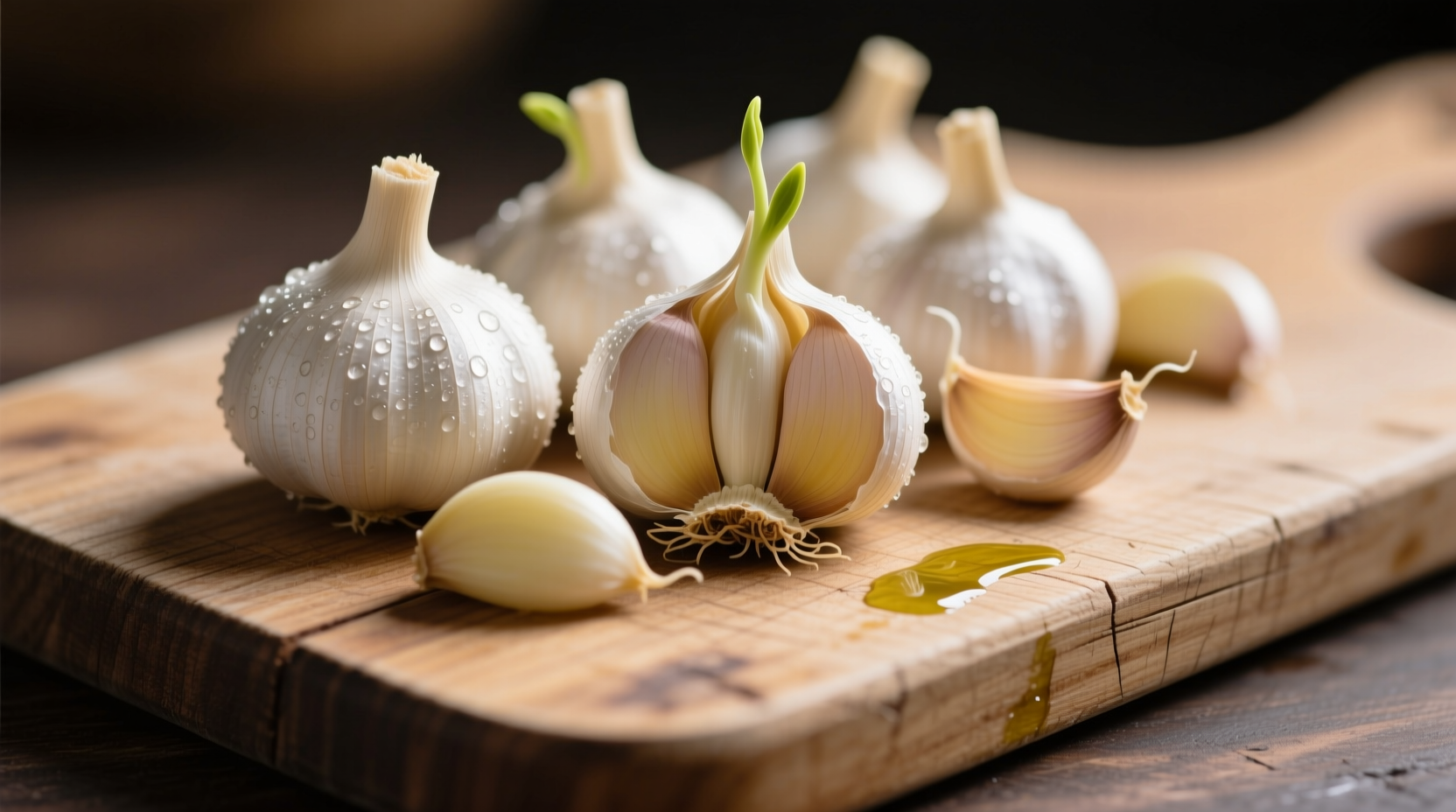
You don't need to endure raw garlic breath to gain benefits. Smart culinary techniques preserve health properties while enhancing flavor:
- The 10-Minute Rule: Chop garlic and let it sit for 10 minutes before cooking to maximize allicin formation
- Low-Temperature Sautéing: Cook garlic in oil below 250°F (121°C) to preserve beneficial compounds
- Vinegar Activation: Mix crushed garlic with vinegar or lemon juice to stabilize allicin
- Roasted Garlic Spread: Roast whole bulbs at 325°F (163°C) for 45 minutes for mild, spreadable garlic rich in SAC
For those concerned about social interactions, pairing garlic with chlorophyll-rich foods like parsley, spinach, or mint significantly reduces odor compounds. A study in Food Chemistry showed that consuming 1/4 cup of raw parsley with garlic reduced volatile sulfur compounds by 90%.
Important Considerations and Limitations
While garlic offers impressive benefits, certain situations require moderation:
- Before surgery: Stop consuming therapeutic amounts (3+ cloves daily) at least 7 days pre-operation due to blood-thinning effects
- With blood thinners: Consult your physician before consuming large amounts if taking warfarin or similar medications
- Digestive sensitivity: Those with IBS may need to limit intake to 1 clove daily or choose aged garlic extract
- Pregnancy: Culinary amounts are safe, but therapeutic doses should be discussed with your healthcare provider
The American College of Gastroenterology notes that while garlic benefits most people, approximately 15% of the population experiences significant gastrointestinal discomfort even at moderate doses. If you fall into this category, aged garlic extract provides many benefits with minimal digestive impact.
Separating Fact From Fiction: Garlic Timeline
Garlic's health reputation has evolved significantly through scientific validation:
- 1550 BCE: Ebers Papyrus documents Egyptian use of garlic for 22 ailments
- 1858: Louis Pasteur confirms garlic's antimicrobial properties
- 1944: Scientists identify allicin as garlic's active compound
- 1990s: Clinical trials begin validating cardiovascular benefits
- 2006: NCCIH funds first large-scale garlic clinical trial
- 2020s: Precision research identifies specific compounds for targeted health benefits
This evolution shows how traditional wisdom has been refined through modern science - confirming some benefits while debunking others. The myth that garlic repels vampires persists culturally, but scientifically we now understand its genuine antimicrobial properties against certain pathogens.
Your Garlic Action Plan
Implement these evidence-based strategies for optimal results:
- Start with 1 clove daily, increasing to 2-3 over 2 weeks to assess tolerance
- Always chop and rest garlic for 10 minutes before cooking
- Pair with vitamin C-rich foods to stabilize allicin compounds
- Consume in the morning for immune benefits or before meals for cardiovascular support
- Combine with parsley or mint to minimize odor concerns
Consistency matters more than quantity - regular moderate consumption delivers better results than occasional large doses. Within 3-4 weeks of following this approach, most people notice improved cardiovascular markers and reduced illness frequency.




 浙公网安备
33010002000092号
浙公网安备
33010002000092号 浙B2-20120091-4