
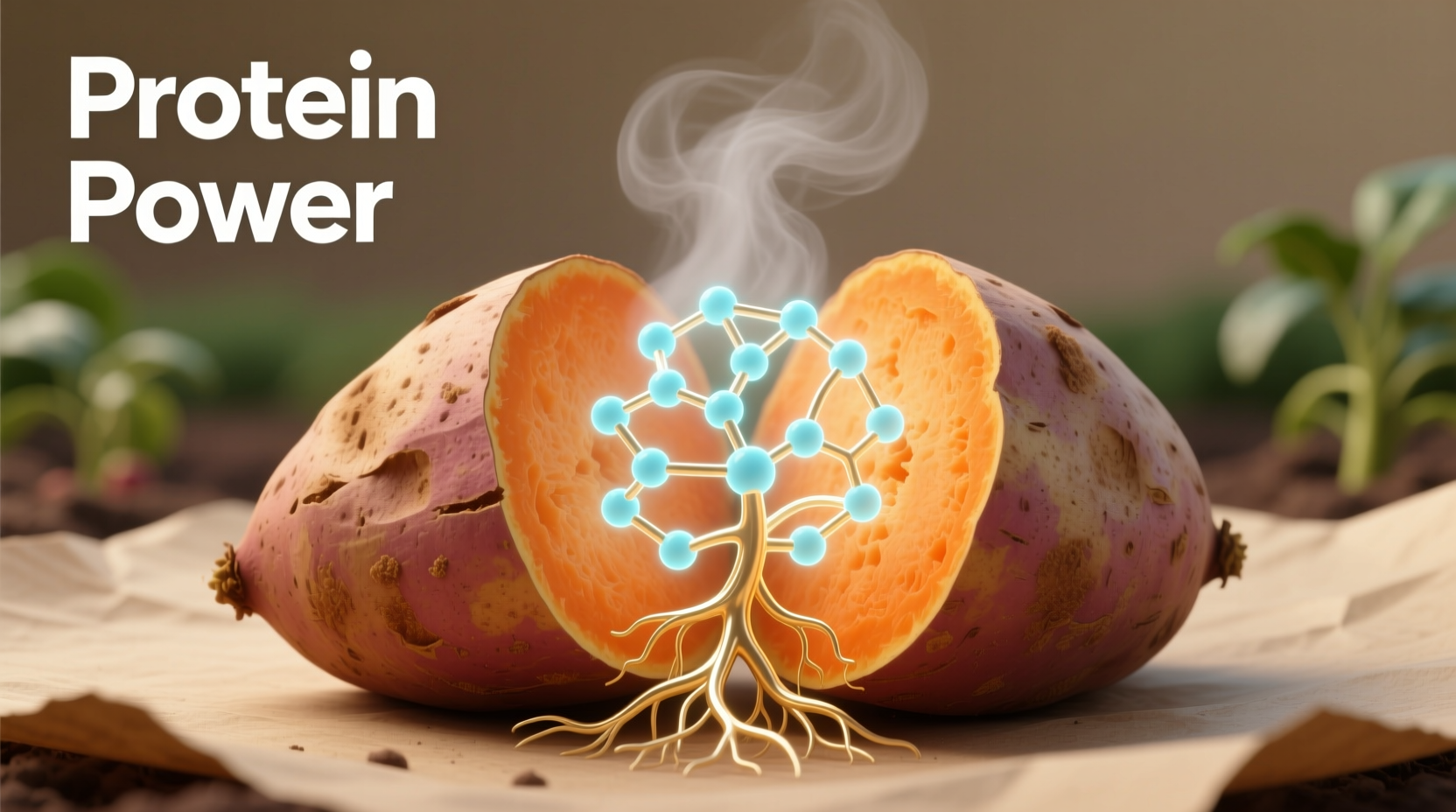
When planning meals for optimal nutrition, understanding the protein content of staple foods like sweet potatoes is essential. While not a high-protein food by itself, sweet potatoes offer a meaningful contribution to daily protein intake when incorporated strategically within a varied diet. This comprehensive guide examines the protein profile of sweet potatoes, how it compares to other foods, and practical ways to maximize its nutritional benefits for different dietary needs.
Exact Protein Content in Sweet Potatoes
According to the USDA FoodData Central database, the protein content in sweet potatoes varies slightly based on preparation method and serving size:
| Serving Size | Preparation Method | Protein Content |
|---|---|---|
| 1 medium (130g) | Baked with skin | 2.03g |
| 1 cup cubes (200g) | Boiled | 3.1g |
| 100g | Raw | 1.57g |
This data from the USDA FoodData Central shows that while sweet potatoes aren't protein powerhouses, they provide a respectable amount considering their primary nutritional value comes from complex carbohydrates and fiber.
How Sweet Potato Protein Fits Into Daily Requirements

The National Institutes of Health recommends adults consume 0.8 grams of protein per kilogram of body weight daily. For a 150-pound (68kg) person, this translates to approximately 54 grams of protein daily. With this context:
- A medium sweet potato provides about 4% of daily protein needs for an average adult
- Sweet potatoes contribute more protein per calorie than white potatoes (1.6g vs 2.0g per 100 calories)
- When combined with complementary protein sources, sweet potatoes help create complete protein profiles
Unlike animal proteins which contain all nine essential amino acids, sweet potatoes (like most plant foods) are considered incomplete proteins. However, they contain higher levels of certain amino acids like lysine compared to other root vegetables.
Strategic Pairings for Complete Protein Profiles
The Academy of Nutrition and Dietetics confirms that combining sweet potatoes with certain foods creates complete protein profiles through complementary amino acid pairing:
- Sweet potato + black beans: Creates a complete protein while providing sustained energy
- Sweet potato + quinoa: Maximizes protein quality with minimal cooking
- Sweet potato + Greek yogurt: Ideal post-workout combination for muscle recovery
- Sweet potato + nuts/seeds: Adds healthy fats while completing the amino acid profile
Research published in the Harvard T.H. Chan School of Public Health's Healthy Eating Plate demonstrates that these strategic combinations help vegetarians and vegans meet protein requirements without supplementation.
Practical Applications for Different Dietary Needs
For Active Individuals and Athletes
While sweet potatoes alone don't provide sufficient protein for muscle building, they serve as excellent carbohydrate companions to protein-rich foods. Registered dietitians recommend pairing a medium sweet potato with 3-4 ounces of lean protein for optimal post-workout recovery. The complex carbohydrates in sweet potatoes help replenish glycogen stores while the modest protein content supports muscle repair.
For Vegetarian and Vegan Diets
Plant-based nutritionists emphasize that sweet potatoes play a crucial role in vegetarian protein strategies. When incorporated into meals like sweet potato and lentil curry or stuffed sweet potatoes with chickpeas, they contribute to the cumulative protein intake that meets daily requirements. The American Dietetic Association confirms well-planned vegetarian diets that include strategic combinations like these can meet protein needs at all life stages.
For Weight Management
The combination of protein and high fiber content (3.8g per medium sweet potato) creates significant satiety. Studies from the USDA Food and Nutrition Information Center show that foods combining moderate protein with high fiber help regulate appetite better than high-protein, low-fiber alternatives.
Common Misconceptions About Sweet Potato Protein
Several myths persist about sweet potatoes and protein that deserve clarification:
- Myth: Sweet potatoes don't contain meaningful protein
Reality: While not high-protein, they provide more protein per calorie than many staple carbohydrates - Myth: Plant proteins are inferior to animal proteins
Reality: When properly combined, plant proteins provide all essential amino acids without saturated fats - Myth: You need large quantities of sweet potatoes for protein benefits
Reality: Strategic pairing with small portions of complementary proteins creates complete profiles
Nutrition science has evolved beyond the outdated concept that plant proteins are inherently inferior. The key is understanding how different plant foods complement each other to provide complete nutrition.
Maximizing Protein Benefits From Sweet Potatoes
Professional chefs and nutritionists recommend these practical strategies:
- Don't peel them: The skin contains additional protein and fiber - always wash thoroughly instead
- Pair with legumes: Black beans, lentils, or chickpeas complete the amino acid profile
- Add seeds: A tablespoon of pumpkin or sunflower seeds adds 2-3g protein to your sweet potato meal
- Combine with dairy alternatives: For vegetarians, Greek yogurt or cottage cheese boosts protein content significantly
- Time your consumption: Pair with protein sources within the same meal for optimal amino acid utilization
These techniques transform sweet potatoes from simple carbohydrate sources into valuable components of protein-rich meals that support various dietary goals.




 浙公网安备
33010002000092号
浙公网安备
33010002000092号 浙B2-20120091-4