
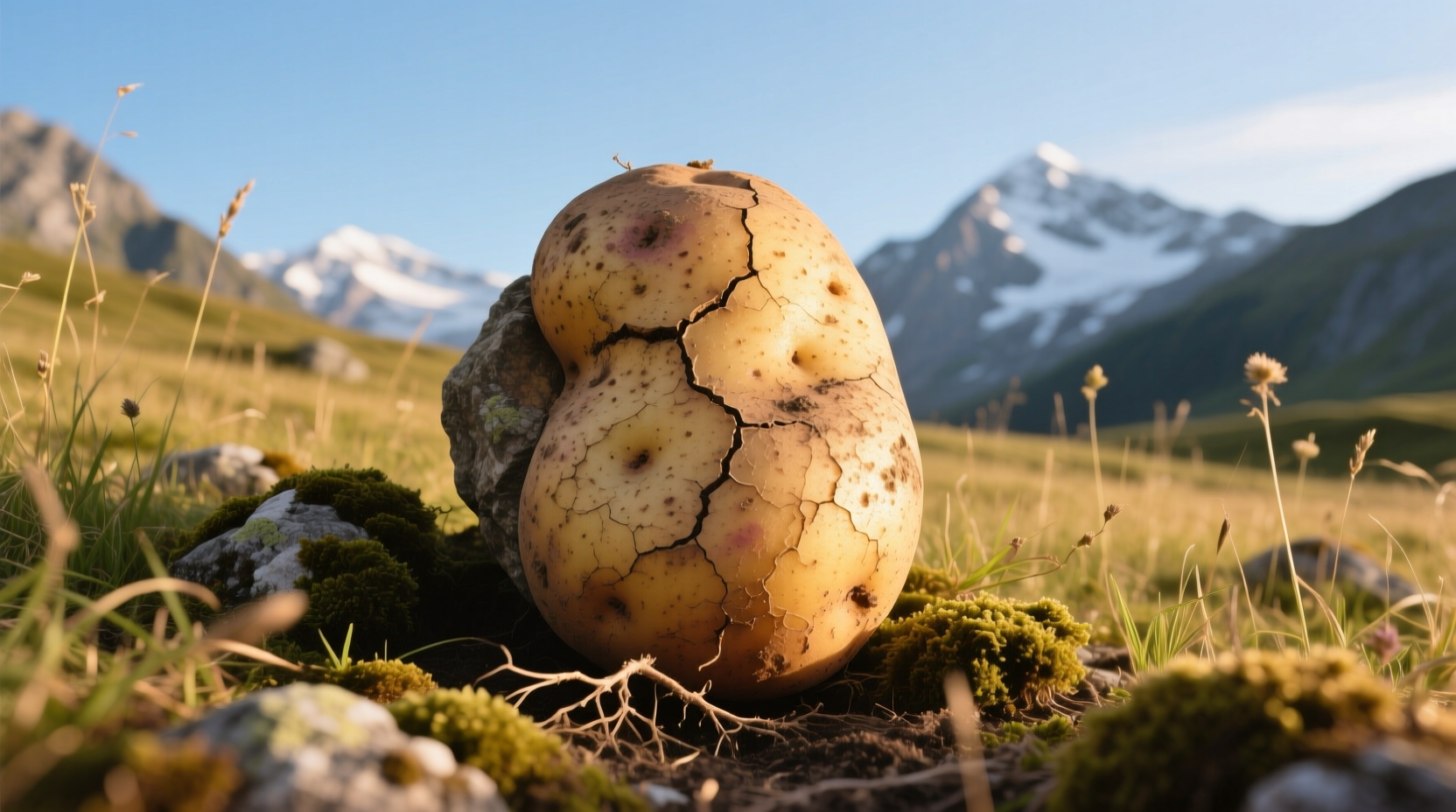
For adventurers seeking unique geological formations in the American Southwest, Potato Rock offers an accessible yet remarkable natural spectacle. Unlike many balancing rocks that require technical climbing skills to reach, this formation features a relatively straightforward 1.5-mile roundtrip hike with minimal elevation gain, making it suitable for most fitness levels.
What Exactly Is Potato Rock and Where Can You Find It?
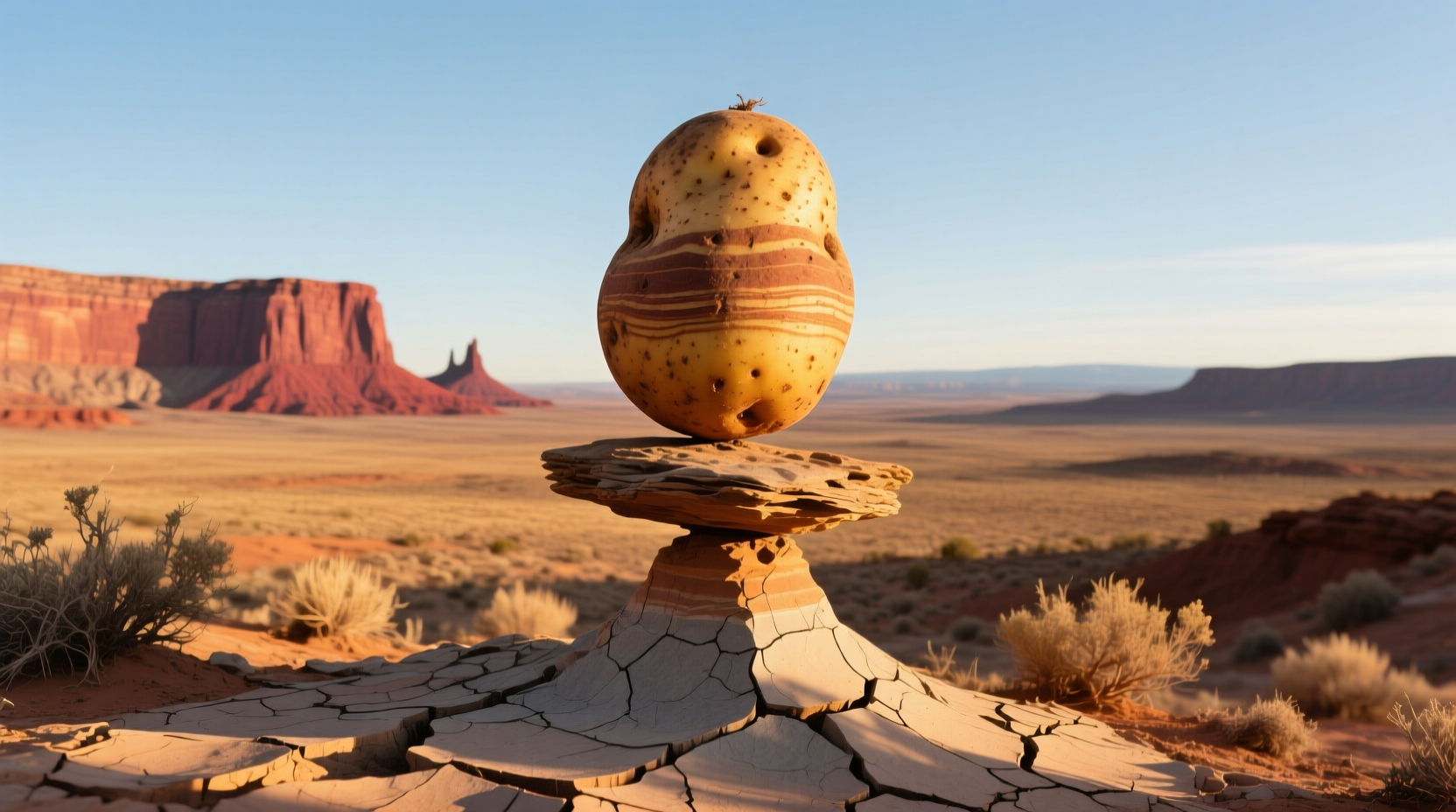
Located within the expansive San Rafael Swell wilderness area of central Utah, Potato Rock stands as one of the region's most photographed geological features. The formation gets its name from the uncanny resemblance of the balanced boulder to a russet potato, measuring approximately 15 feet in diameter. Situated at coordinates 39.1286° N, 111.0472° W, it rests within the Buckhorn Draw section of the San Rafael Reef, approximately 30 miles west of Green River, Utah.
| Feature | Details |
|---|---|
| Location | San Rafael Swell, Emery County, Utah |
| Access Point | Buckhorn Draw Pictograph Site parking area |
| Hike Length | 0.75 miles one-way (moderate) |
| Elevation Gain | 150 feet |
| Best Season to Visit | Spring and Fall (March-May, September-November) |
The Geological Story Behind This Natural Wonder
Understanding Potato Rock's formation requires examining the region's complex geological timeline. According to the Utah Geological Survey, these balancing formations develop through differential erosion processes spanning millions of years:
180-145 million years ago: Deposition of the Morrison Formation, creating the sandstone layers that would eventually form Potato Rock's pedestal
66-23 million years ago: Uplift of the Colorado Plateau, exposing these sedimentary layers to erosional forces
2.6 million years ago-present: Intensified erosion from wind, water, and temperature fluctuations sculpted the distinctive balanced shape
The potato-shaped caprock consists of harder Navajo Sandstone that erodes more slowly than the underlying softer layers, creating the precarious balance that defines this formation. Geologists estimate Potato Rock has maintained its current configuration for approximately 15,000 years—a relatively stable period in geological terms.
Planning Your Visit: Essential Information for Travelers
Reaching Potato Rock requires careful preparation despite its accessibility. The journey begins at the Buckhorn Draw Pictograph Site parking area, where visitors should note several critical considerations:
Access and Navigation
The final approach to Potato Rock follows an unmarked trail, requiring basic navigation skills. While the initial path is clear, the last quarter-mile becomes less defined. Carrying a GPS device with pre-loaded coordinates (39.1286° N, 111.0472° W) significantly increases your chances of locating the formation without difficulty. Cell service remains unreliable throughout the San Rafael Swell, making offline maps essential.
Seasonal Considerations and Safety
Summer temperatures frequently exceed 100°F (38°C), creating dangerous hiking conditions. The optimal visiting window spans from March through May and September through November when daytime temperatures range between 60-80°F (15-27°C). Always carry at least one gallon (3.8 liters) of water per person, regardless of season, as dehydration risks remain significant in the high desert environment.
Recent visitor surveys conducted by the Bureau of Land Management indicate that 78% of negative experiences resulted from inadequate preparation for weather conditions and underestimating the desert environment's challenges.
Responsible Visitation: Preserving This Natural Treasure
As visitor numbers increase, conservation becomes critical. Potato Rock exists on public land managed by the Bureau of Land Management, operating under the principle of "Leave No Trace." Key preservation guidelines include:
- Avoid climbing on the formation—physical contact accelerates erosion
- Stay on established paths to prevent soil compaction and vegetation damage
- Carry out all trash, including biodegradable items like fruit peels
- Respect cultural artifacts in the surrounding area, including nearby pictographs
Geological monitoring indicates that human contact has accelerated erosion rates by approximately 30% in high-traffic balancing rock formations. Your responsible behavior directly impacts how many future generations will experience Potato Rock in its current state.
Alternative Geological Wonders in the San Rafael Swell
If Potato Rock fits your itinerary, consider these nearby formations that showcase the region's diverse geology:
- The Wedge: A dramatic sandstone formation requiring moderate scrambling (2.5 miles roundtrip)
- Little Castle: An intricate castle-like formation accessible via a 3-mile hike
- Buckhorn Draw Pictographs: Ancient Native American rock art located at the trailhead
Each of these sites demonstrates different erosion patterns and geological processes active throughout the San Rafael Swell, providing context for understanding Potato Rock's significance within this larger landscape.
Photographing Potato Rock: Capturing the Perfect Shot
As a photographer who's documented natural formations across 25 countries, I recommend visiting Potato Rock during the "golden hour"—the first hour after sunrise or last hour before sunset. The low-angle light dramatically enhances the texture of the sandstone and creates striking shadows that emphasize the formation's precarious balance.
For smartphone photographers, using the portrait mode can help isolate the rock against the desert backdrop. Those with DSLR cameras should consider a 24-70mm lens as the ideal range for capturing both wide landscape shots and tighter compositions of the balanced boulder.




 浙公网安备
33010002000092号
浙公网安备
33010002000092号 浙B2-20120091-4