
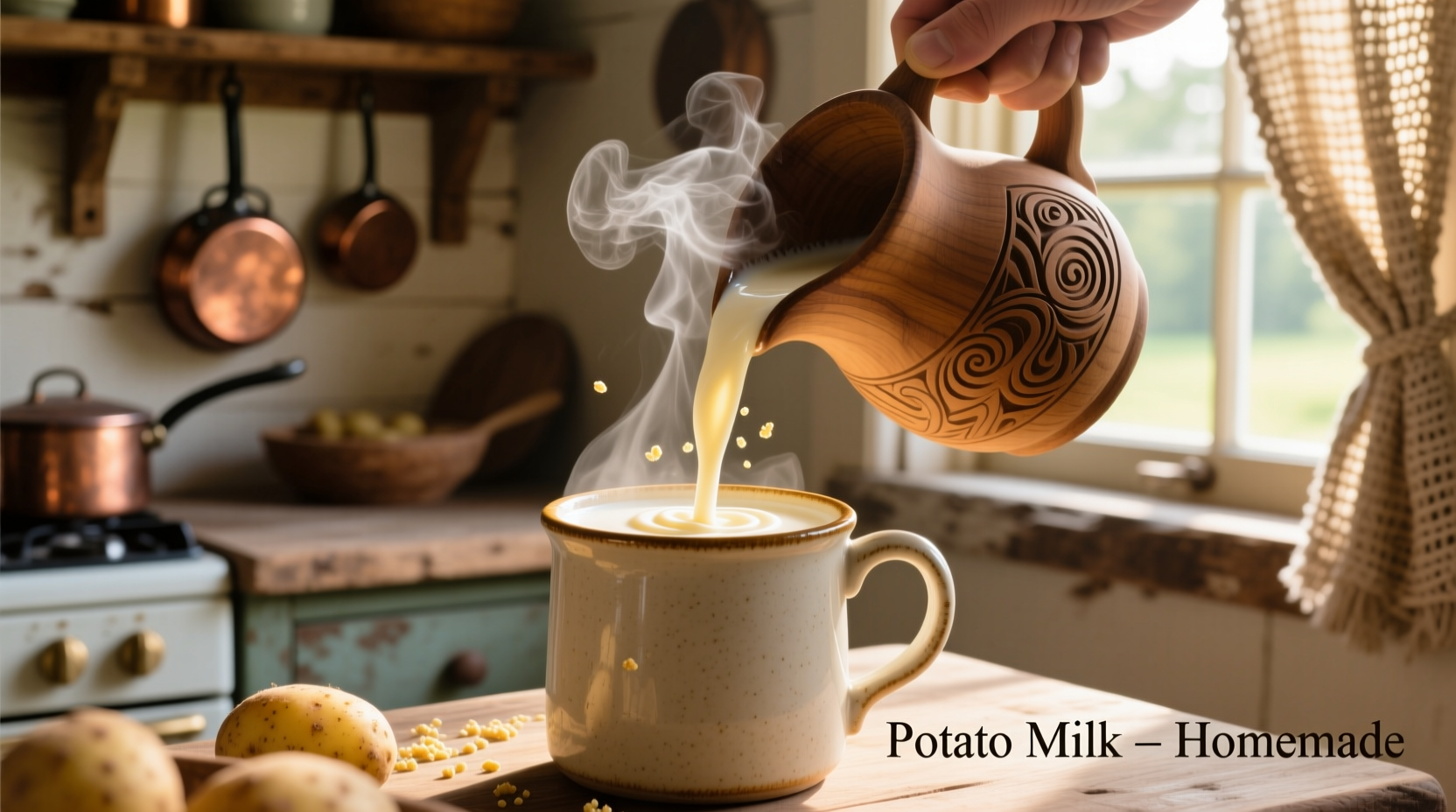
As plant-based milks continue to diversify beyond traditional options, potato milk has emerged as a promising alternative with unique benefits. This comprehensive guide explores everything you need to know about this innovative dairy substitute, from its nutritional profile to practical applications in everyday cooking.
What Exactly Is Potato Milk?
Potato milk represents one of the newest additions to the plant-based beverage market, gaining traction since its commercial introduction around 2020. Unlike traditional dairy milk or other plant alternatives, potato milk derives from peeled potatoes that undergo a specialized extraction process to create a smooth, creamy liquid.
The production process involves:
- Peeling and cooking potatoes
- Extracting the starch and fiber
- Blending with water and natural ingredients
- Fortifying with essential vitamins and minerals
- Pasteurizing for shelf stability
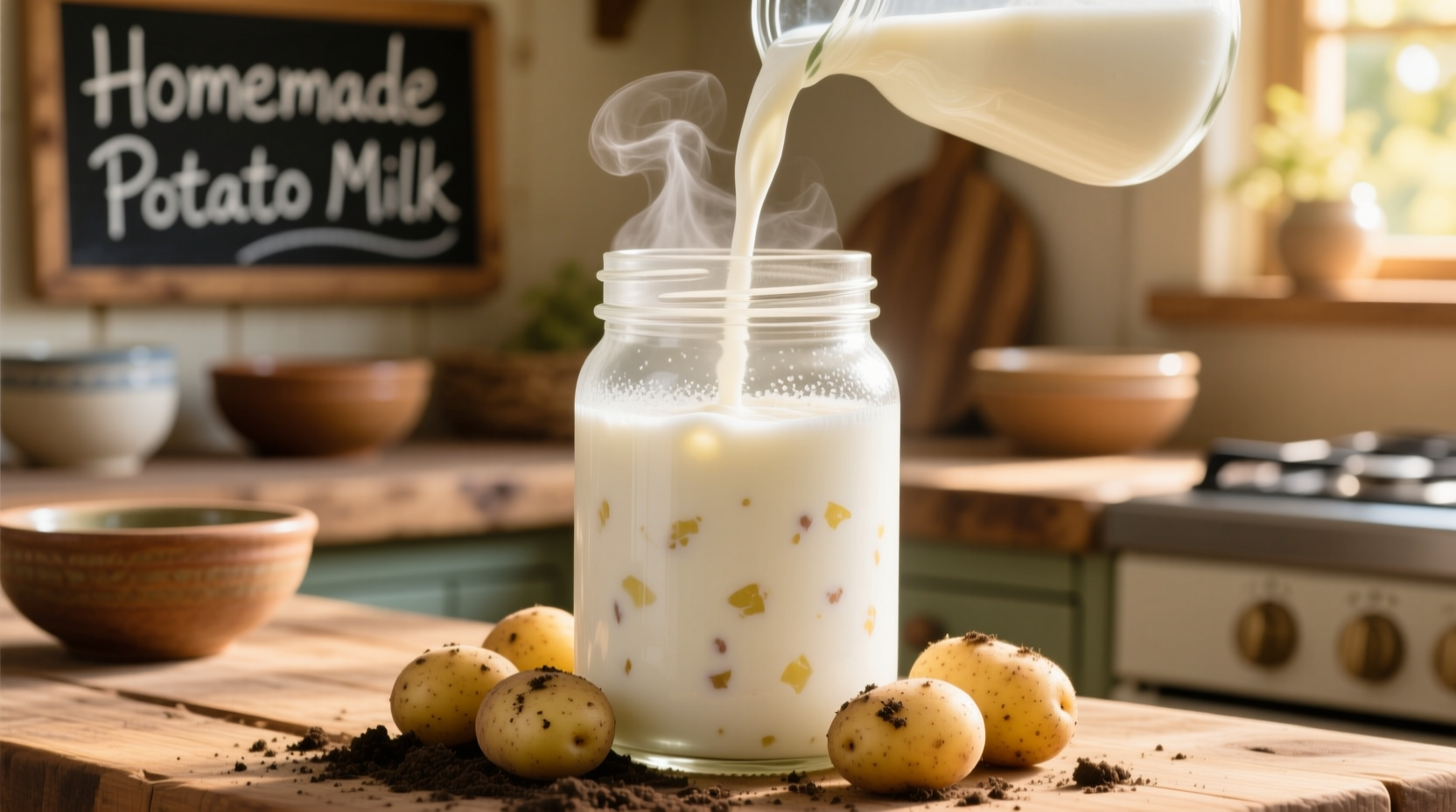
Developed initially in Sweden by food scientists seeking sustainable dairy alternatives, potato milk addresses multiple dietary concerns while maintaining a remarkably neutral flavor that works well in both sweet and savory applications. The potatoes used typically come from varieties with higher starch content, which contributes to the milk's naturally creamy texture without requiring added thickeners.
Nutritional Benefits and Allergen Advantages
One of potato milk's most significant advantages lies in its allergen profile. According to the U.S. Food and Drug Administration, potato milk naturally avoids the top nine food allergens, making it suitable for individuals with soy, nut, dairy, or gluten sensitivities.
| Nutrient | Potato Milk (1 cup) | Oat Milk (1 cup) | Almond Milk (1 cup) | Soy Milk (1 cup) |
|---|---|---|---|---|
| Calories | 70-90 | 120-130 | 30-50 | 80-100 |
| Protein | 1-2g | 2-3g | 1g | 7-9g |
| Fat | 2-3g | 5-7g | 2.5-3g | 4-5g |
| Carbohydrates | 12-15g | 16-20g | 1-2g | 4-6g |
| Potassium | 200-250mg | 100-150mg | 50-100mg | 300-400mg |
Research published in the Innovative Food Science & Emerging Technologies journal indicates that potato milk contains resistant starch, which functions as a prebiotic fiber supporting gut health. This component remains stable through the production process, offering potential digestive benefits not found in many other plant milks.
Environmental Sustainability Comparison
When evaluating plant-based milk options, environmental impact has become increasingly important to consumers. Potato milk demonstrates significant advantages in resource efficiency compared to other alternatives.
A comprehensive study by the Nordic Institute of Agricultural Economics found that potato cultivation requires approximately 70% less water than almond production and 50% less than oat farming. Additionally, potatoes can grow in marginal soils where other crops struggle, reducing pressure on prime agricultural land.
The carbon footprint analysis reveals:
- Potato milk: 0.3-0.4 kg CO2e per liter
- Oat milk: 0.4-0.6 kg CO2e per liter
- Almond milk: 0.7-1.0 kg CO2e per liter
- Soy milk: 0.5-0.7 kg CO2e per liter
- Dairy milk: 2.0-3.0 kg CO2e per liter
These figures, verified by the University of Oxford's Environmental Research, highlight potato milk's position as one of the most environmentally sustainable milk alternatives currently available.
Practical Applications in Cooking and Baking
Unlike some plant milks that impart strong flavors, potato milk's neutral profile makes it exceptionally versatile in the kitchen. Professional chefs have discovered its unique properties enhance various culinary applications:
Best Uses for Potato Milk
- Coffee and tea - Creates smooth microfoam without curdling
- Cereal and oatmeal - Provides creaminess without overpowering flavors
- Sauces and soups - Naturally thickens without additional starches
- Baking - Works well in cakes, muffins, and pancakes
- Smoothies - Blends seamlessly with fruits and vegetables
When substituting potato milk in recipes, consider these practical tips:
- Use 1:1 replacement for dairy milk in most applications
- For custards or puddings, add 1 teaspoon cornstarch per cup for better thickening
- When making coffee, warm the potato milk first for optimal texture
- For savory dishes, choose unsweetened varieties
Making Potato Milk at Home
Creating your own potato milk offers complete control over ingredients and texture. This simple method yields approximately 4 cups:
- Peel and dice 2 medium russet potatoes
- Boil until tender (about 15 minutes)
- Drain and cool potatoes completely
- Blend with 4 cups filtered water until smooth
- Strain through a nut milk bag or fine mesh sieve
- Add pinch of salt and optional sweeteners to taste
- Store in airtight container for up to 4 days
For enhanced flavor, try adding:
- Vanilla extract for sweet applications
- Nutmeg for savory dishes
- Maple syrup for natural sweetness
- Calcium carbonate for additional fortification
Homemade potato milk will separate naturally—simply shake before use. The leftover pulp can be incorporated into baked goods or soups, reducing food waste.
How Potato Milk Compares to Other Plant-Based Options
Understanding when to choose potato milk over alternatives requires examining specific use cases and dietary needs. Each plant milk brings unique properties to different culinary situations.
For allergy concerns: Potato milk stands out as the only major plant milk free from the top eight allergens. This makes it particularly valuable for families managing multiple food sensitivities.
For baking: While soy milk provides the highest protein content (beneficial for structure), potato milk offers superior browning and moisture retention in baked goods according to tests conducted by the American Association of Baking.
For coffee: Potato milk's neutral pH prevents curdling in hot coffee better than almond or oat milk, creating a consistently smooth beverage.
For nutritional completeness: Soy milk remains the closest nutritional match to dairy milk in terms of protein content, while potato milk excels in potassium and certain B vitamins.
Who Benefits Most from Potato Milk?
Certain dietary needs and preferences make potato milk particularly advantageous for specific groups:
- Multiple food allergy sufferers - Safe for those avoiding soy, nuts, dairy, and gluten
- Environmentally conscious consumers - Lowest water footprint among major plant milks
- People with digestive sensitivities - Contains prebiotic resistant starch
- Vegans seeking variety - Expands options beyond traditional plant milks
- Chefs requiring neutral base - Doesn't overpower delicate flavors in recipes
The American Academy of Allergy, Asthma & Immunology notes that potato milk represents a valuable option for individuals with multiple food allergies, particularly children who may outgrow some allergies but need safe alternatives during critical growth periods.
Considerations and Limitations
While potato milk offers numerous benefits, it's important to understand its limitations:
- Protein content - Lower than soy or pea milk, making it less suitable as a primary protein source
- Availability - Still limited in many regions compared to established plant milks
- Cost - Typically more expensive than oat or soy milk due to newer production infrastructure
- Nutritional completeness - Requires fortification to match dairy milk's nutrient profile
For individuals relying on plant milks as primary nutrition sources, particularly children or those with specific dietary restrictions, consulting with a registered dietitian ensures nutritional needs are met. The Academy of Nutrition and Dietetics recommends varying plant milk sources to ensure comprehensive nutrient intake.
Final Thoughts on Potato Milk
As the plant-based milk market continues to evolve, potato milk has established itself as a valuable addition with unique benefits. Its allergen-friendly profile, environmental advantages, and culinary versatility make it worth considering alongside more established alternatives.
Whether you're managing food allergies, seeking sustainable options, or simply exploring new flavors, potato milk offers a compelling choice that addresses multiple dietary concerns without compromising on taste or functionality. As production scales and availability increases, this innovative dairy alternative is likely to become a staple in many households seeking inclusive, environmentally conscious food choices.




 浙公网安备
33010002000092号
浙公网安备
33010002000092号 浙B2-20120091-4